.jpg)


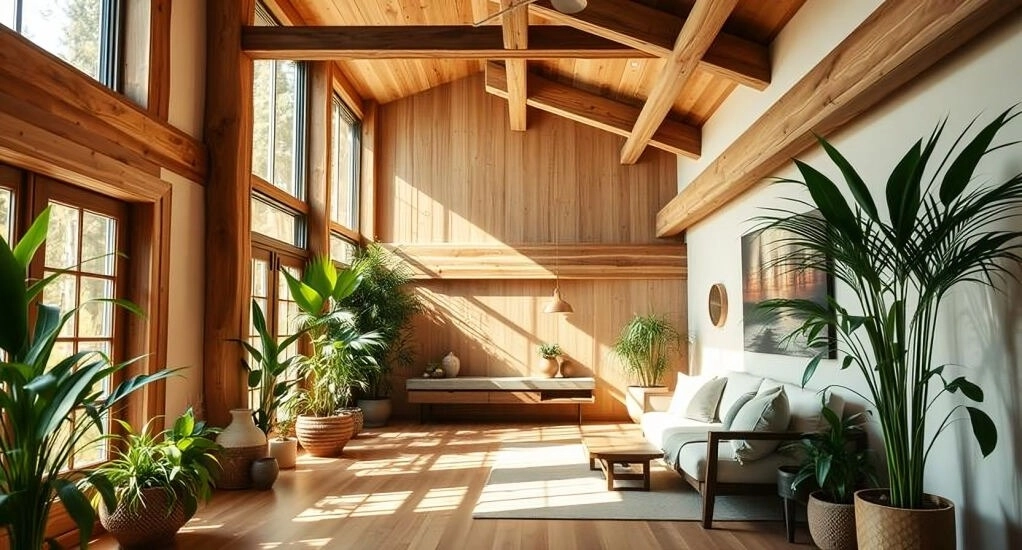
Sustainable renovation materials pay off twice in Colorado: they hold up to the state's dry air, intense sun and hard water better than standard-grade products, and they show up as a line item buyers ask about when the Kenna Real Estate Group lists a home in Denver, Aurora, Lakewood, Littleton or Centennial. The right material choice is a durability decision first and a resale decision second.
What Makes a Renovation Material "Sustainable" in Colorado
A sustainable material is renewable, recycled, reclaimed, or built to outlast a cheaper alternative by decades. In Colorado, add a second filter: does it hold up to 300-plus days of direct sun, single-digit humidity for months at a time, and hard water full of dissolved minerals? A bamboo floor that is technically renewable but cups and gaps in a Front Range winter is not the right choice for this climate, even if it scores well on a national sustainability chart.
Reclaimed Wood and Beetle-Kill Pine
Reclaimed lumber from old barns and factory buildings brings a denser grain than fast-growing modern pine, which resists warping as indoor humidity swings from 10% in January to 40% in a humid August week. Colorado also has a regional material national renovation guides skip: beetle-kill pine, standing dead lodgepole harvested from mountain forests hit by the pine beetle epidemic. The blue-gray staining in the wood is cosmetic, not structural, and mills across the state sell it for flooring, paneling and ceiling beams at a lower cost than clear-grade lumber because it removes standing dead timber that would otherwise become wildfire fuel.
Low-VOC Paints and Finishes at Altitude
Dry Colorado air pulls moisture out of paint and finish faster than it would in a coastal state, which shortens the working time for a coat and can trap solvents indoors before they finish off-gassing. Low- and zero-VOC paints and finishes cut that off-gas period and reduce the sharp chemical smell that lingers longer at altitude because there is less humidity to carry it out through open windows. For a Front Range home with a nursery, home office or a household member with asthma, this is a health choice as much as an environmental one.
Flooring That Holds Up to Colorado Sun and Dry Air
Colorado gets close to 300 days of sun a year, and UV exposure at 5,280 feet is stronger than at sea level because there is less atmosphere to filter it. South- and west-facing rooms fade unprotected hardwood, laminate and fabric within a few years. Linoleum is a genuinely sustainable option worth a second look here: it is made from linseed oil, cork dust and wood flour rather than petroleum-based vinyl, it resists UV fading better than most laminate, and modern linoleum flooring comes in plank and sheet formats that read as a mid-century or Scandinavian design choice rather than an institutional one. Several manufacturers, including vcfloor.ca, publish full material spec sheets online so a homeowner or contractor can check UV resistance and moisture ratings before ordering.
Engineered hardwood with a wide, quarter-sawn plank handles Colorado's humidity swings better than solid hardwood, which is prone to gapping every winter when the furnace runs and indoor humidity drops. Porcelain tile that mimics wood grain is the most fade- and scratch-resistant option for a sunroom or south-facing living room.
Insulation and the Denver 2022 Energy Code
Denver's 2022 building and energy code raised the insulation and air-sealing bar for new construction and major renovations inside city limits, pushing toward higher R-values in walls and attics and tighter blower-door test results. Homeowners outside Denver proper, in Aurora, Lakewood, Littleton, Centennial, Colorado Springs and Fort Collins, work under their own city or county codes, which vary on insulation minimums, so a renovation permit application is the place to confirm the current R-value requirement before materials are ordered. Sustainable insulation choices, cellulose made from recycled newspaper, mineral wool, and dense-pack fiberglass, all meet or beat code minimums and cut the swing between a 20-degree January night and a 95-degree July afternoon that Front Range HVAC systems fight every year.
Xcel Energy Rebates for Sustainable Upgrades
Xcel Energy runs rebate programs for Colorado customers who upgrade insulation, air sealing, efficient windows, heat pumps and other envelope improvements tied to a renovation. Rebate amounts and eligible measures change from year to year, so the right step is checking the current Xcel Energy rebate list before finalizing a materials budget, since a rebate can shift the math toward a higher-grade sustainable product over the builder-grade default.
Countertops and Fixtures Against Colorado's Hard Water
Most Front Range municipal water carries significant mineral hardness, which etches natural stone like marble and leaves scale on fixtures. Quartz countertops, an engineered material made from stone particles and resin, resist etching from hard water and acidic foods without sealing, making them a lower-maintenance sustainable choice than natural stone for a kitchen or bath renovation. Reclaimed wood or butcher-block counters work for an island or bar area but need a food-grade oil finish reapplied on a shorter cycle in Colorado's dry air than a manufacturer's coastal-climate care sheet suggests.
HOA Rules on Exterior Sustainable Materials
A homeowners association in a Front Range community can set rules on exterior material color, solar panel placement, xeriscaping and roofing material, even when the underlying product is more sustainable than what neighbors have installed. Before ordering solar-reflective roofing, low-water landscaping, or a different exterior siding material, a homeowner in an HOA-governed community should pull the architectural review guidelines and submit for approval in writing, since an unapproved exterior change can trigger a violation notice regardless of its sustainability credentials.
Wildfire Smoke Season and Indoor Air Material Choices
Colorado's wildfire smoke season, running summer into early fall, pushes fine particulate matter indoors through HVAC intakes and window gaps. Renovation materials that support a tighter building envelope, quality window seals, continuous air barriers, and a whole-home filtration upgrade during an HVAC replacement, cut how much smoke infiltrates a home during a bad air-quality week. This is a case where the sustainable choice (tighter, better-sealed envelope) and the health choice line up directly.
Resale Value: What Sustainable Materials Return in the Front Range
Buyers touring homes in Denver, Aurora, Lakewood, Littleton and Centennial increasingly ask about insulation upgrades, window age and flooring material during a showing, not just paint color. A kitchen or bath renovation using durable, low-maintenance sustainable materials, quartz counters, engineered hardwood, upgraded insulation, tends to show as a completed project rather than a future to-do list on a buyer's inspection checklist, which supports a stronger initial offer.
| Material | Colorado climate fit | Typical cost range (2,000 sq ft project) |
|---|---|---|
| Reclaimed or beetle-kill pine flooring | Dense grain resists warping in dry air | $6,000 to $14,000 |
| Linoleum flooring | UV- and fade-resistant for sun-exposed rooms | $4,000 to $9,000 |
| Quartz countertops | Resists hard-water etching, no sealing | $3,500 to $7,500 |
| Cellulose or mineral wool insulation | Meets Denver 2022 code, cuts temperature swings | $1.50 to $3.50 per sq ft |
A Realistic Renovation Timeline Before Listing
A sustainable material renovation with permitted structural or electrical work in Denver, Aurora or Colorado Springs runs 4 to 10 weeks depending on scope and inspection scheduling. Homeowners planning to sell should start material selection and permit filing at least 3 months before a target listing date to leave room for inspection callbacks and material lead times, since reclaimed and specialty products ship on longer timelines than big-box stock materials in most cases.
Seller Disclosure on Renovation Materials in Colorado
Colorado's seller property disclosure form asks about known material defects, past water intrusion, and work done without a permit. A sustainable renovation completed with proper permits and inspections is an asset to disclose, not a liability, and keeping receipts, permit records and material spec sheets makes that disclosure straightforward when the home goes under contract.
Where to go next
- See which upgrades add the most value before you sell
- Get a Smart Pricing Report for your Colorado home
- Green and energy-efficient homes in Denver
- Why Amish furniture suits a sustainable Colorado home
- Top flooring choices that boost home value in Denver
- Search every home for sale in Colorado
Talk to the Kenna Real Estate Group
The Kenna Real Estate Group helps Front Range sellers decide which renovation materials are worth the spend before listing, and helps buyers spot a well-built renovation during a showing. Call or text 303-955-4220. A live person answers. Not a robot, not a phone tree. Or search every home for sale in Colorado to see what recent renovations look like on the market right now.
Homes for sale that match this post
- Homes with Home Office in Centennial
- Mid-Century Modern Style Homes in Centennial
- New construction: guide
- All homes for sale in Centennial
Guides
Questions about any home in Colorado? Call or text 303-955-4220. A live person answers.