New - 30 Mins Ago

.jpg)


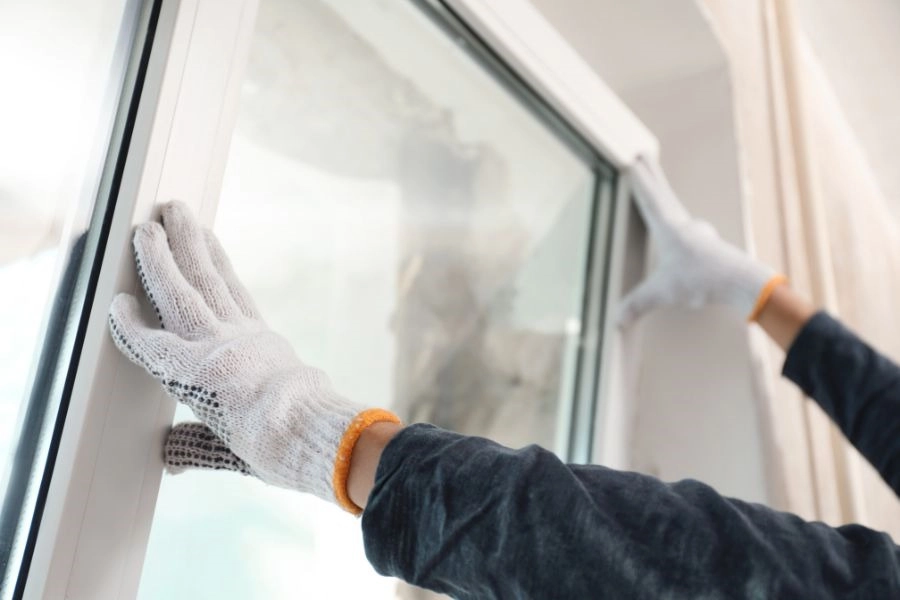
Window glass sold for Colorado homes falls into five main categories: float, tempered, laminated, impact-rated and low-E, and each one solves a different problem. A Denver homeowner replacing a single window picks based on where it sits in the house; a homeowner replacing a whole elevation before hail season picks based on the roof line and the direction the weather comes from.
Here is what each type does, where Colorado code requires it, and what it costs on a Front Range home.
Float glass is the plain, clear glass most windows start with before any coating or treatment is added. It is inexpensive and lets in the most light, but on its own it offers no hail resistance and no UV protection, so it is rarely sold alone for exterior residential windows on the Front Range anymore.
Tempered glass is heat-treated to be roughly four times stronger than standard glass, and it breaks into small, rounded pieces instead of long shards. Colorado adopts the International Residential Code, which requires tempered or laminated protective glazing near doors, in bathrooms, next to stairs, and within 24 inches of a door in the swing path. A basement egress window near a stairwell is a common spot where a Front Range inspector checks for tempered glass.
Laminated glass bonds two panes together with a plastic interlayer, which holds the glass in place even when it cracks. That interlayer cuts street and highway noise, and it gives real hail resistance because a cracked pane stays intact instead of falling through the frame. Laminated glass is a common upgrade on the top floor and roof-facing windows of Front Range homes, where hail hits hardest.
Impact-rated glass combines a laminated interlayer with a frame and glazing system tested against wind-borne debris. On the Front Range, hail season runs from spring through September, and impact-rated glass holds up to hail sizes that crack standard laminated panes. It costs more per window than standard laminated glass, and some insurers offer a premium discount for homes with impact-rated glazing on hail-exposed elevations.
Low-emissivity glass carries a microscopically thin metallic coating that reflects heat and blocks ultraviolet rays while staying clear. Colorado logs close to 300 days of sun a year, and the UV intensity at 5,280 feet fades floors, paint, fabric and window film faster than it would at sea level. Low-E glass is standard on most new construction along the Front Range for that reason, not only for the winter energy savings.
Tinted glass reduces glare and heat gain on a west-facing room without blocking the view, which matters on afternoon-sun rooms in Aurora, Parker and Colorado Springs. Obscure or frosted glass blurs the view through the pane while still passing light, and it is a standard choice for a street-facing bathroom window or a basement window near a walk-up entry.
A standard insulated window with tempered glass runs $600 to $1,200 installed. Upgrading the same window to laminated glass adds roughly $100 to $250 per opening, and a full impact-rated package adds $200 to $500 per opening depending on size and frame material. A homeowner upgrading only the roof-facing and west-facing elevations before hail season spends less than replacing every window in the house; a seller weighing the cost against a home's list price uses the Pricing Your Colorado Home to Sell guide to see where a glass upgrade fits the budget.
Most manufacturers etch a small logo or code in one corner of the pane, near the frame. A locksmith or window installer reads that etching to identify the manufacturer, the glass package and, in a lot of cases, the installation year. When the etching has worn off, a company that installs new windows checks the spacer bar between the panes and the frame profile to identify the product line.
Builders in Denver, Aurora, Colorado Springs and Fort Collins put low-E, argon-filled, double-pane glass in almost every new home, with tempered panes at the code-required locations. Triple-pane packages show up in higher-end new construction and in mountain-adjacent towns with colder winters than the metro core, where the extra pane pays back faster.
| Glass type | Main benefit | Typical cost add per window |
|---|---|---|
| Float | Base material, lowest cost | Included in a standard unit |
| Tempered | Code-required strength near doors and stairs | Included in a standard unit |
| Laminated | Noise reduction, holds together when cracked | $100 to $250 |
| Impact-rated | Best hail and debris resistance | $200 to $500 |
| Low-E | UV and heat control at altitude | Included in most insulated units |
A buyer touring a Front Range home in July asks about hail history before asking about paint color, and documented impact-rated or laminated glass on the most exposed elevations is an easy answer to give. Keep receipts and product labels from any glass upgrade; they belong in the disclosure packet and the listing file. Colorado's Seller's Property Disclosure form asks about known window and glass defects, so a seller who upgraded glass after a hail claim notes it there as well as in the marketing.
Some Front Range insurers price a lower premium for homes with impact-rated glass and a Class 4 impact-rated roof, since both reduce claim frequency in hail season. The discount varies by carrier, so a homeowner planning a full glass upgrade asks the insurer for a written premium quote before and after the project to see the real dollar difference. Homeowners in Colorado Springs and other hail-prone corridors see the widest range of premium discounts for impact-rated upgrades.
The Kenna Real Estate Group at Keller Williams DTC points Front Range buyers to the inspection items that matter most in hail country, and helps sellers document window and glass upgrades so they show up in the listing, not just the disclosure form. Call or text 303-955-4220. A live person answers. Not a robot, not a phone tree. Ready to look now? Search every home for sale in Colorado.
Questions about any home in Colorado? Call or text 303-955-4220. A live person answers.
New construction and most replacements use insulated, low-E glass with a tempered layer near doors and stairs, which is the code baseline on the Front Range.
Near exterior doors, within 24 inches of a door swing, in bathrooms, next to stairs and in basement egress windows under the International Residential Code that Colorado has adopted.
Laminated glass holds together and resists cracking better than standard glass in a hailstorm, and impact-rated glass goes a step further for homes on the most exposed elevations.
Roughly $200 to $500 per opening over a standard insulated window, depending on size and frame material.
Yes. Close to 300 days of sun a year and intense UV at altitude fade floors and paint quickly, and low-E coatings block that UV while keeping the glass clear.
Obscure or frosted glass passes light while blurring the view through the pane, which is the standard choice for privacy without blocking daylight.
Keeping receipts and product labels for laminated or impact-rated glass gives a Front Range buyer a concrete answer during a hail-season showing.


