
.jpg)


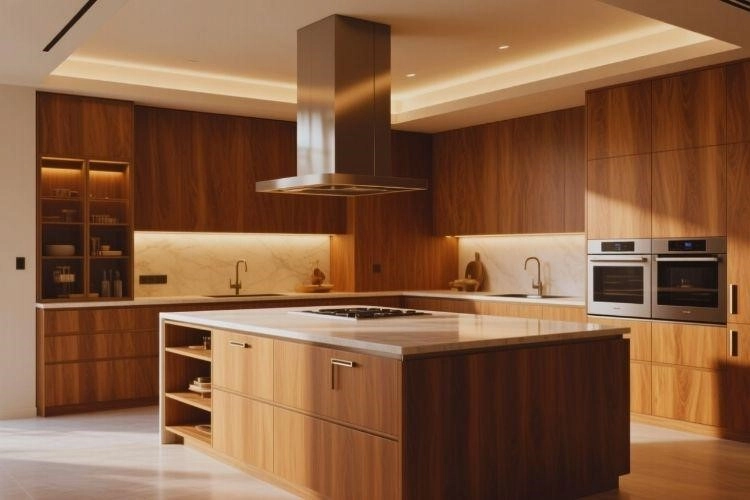
Yes, if the cooktop sits on an island, you need a range hood sized and vented for that exposure, not a smaller wall-mount unit moved to the ceiling. In most Front Range kitchens that also means checking whether a makeup air system is required before the exhaust fan goes above 400 CFM.
A wall-mounted hood only has to capture smoke and steam from three sides. An island hood is exposed on all four, so airflow disperses faster and the hood has to pull harder across a wider area to catch it. A hood sized for a wall installation and simply hung over an island performs worse in the same kitchen, even with identical fan power.
A common sizing rule for gas cooktops is 100 CFM for every 10,000 BTU of total burner output, and island installations need 20% to 30% more capacity than the same rule would suggest for a wall unit, because of the added airflow. Electric and induction ranges need less: closer to 40 CFM per foot of hood width is a reasonable starting point.
Once an exhaust fan pulls more than 400 CFM, most residential codes adopted across Colorado jurisdictions require a makeup air system, a duct that brings outside air back in to replace what the hood removes. Skip this step and a powerful hood can depressurize the house enough to pull exhaust from a gas water heater or furnace back into the living space. Check with your city or county building department before you buy a hood above 400 CFM, and budget for the makeup air duct and damper as part of the project, not an add-on after inspection.
At 5,280 feet and higher, gas combustion runs less efficiently than at sea level, which is part of why many Front Range remodels are shifting toward induction cooktops. Combustion by-products from a gas range still need to be captured and vented regardless of elevation, which keeps hood sizing and makeup air just as relevant on an induction-adjacent gas range as on a full gas kitchen.
Open-concept island layouts are the default in most new construction homes across Colorado, which is why island range hood questions come up constantly during a remodel of an older Front Range home trying to match that same open feel.
| Scope | Typical Cost |
|---|---|
| Standard island hood, existing duct run | $1,500 to $4,000 |
| Custom copper or stainless island hood | $3,000 to $9,000+ |
| New duct run through a finished ceiling | $800 to $2,500 |
| Makeup air system addition | $1,000 to $2,500 |
Custom fabricators like WorldCopperSmith build island range hoods to order across dozens of finishes, letting the hood double as the visual anchor of an open kitchen rather than a hidden appliance. A brushed metal finish reads modern; a hand-patinated copper finish adds warmth to a more traditional or mountain-style kitchen. You are free to use any fabricator or local contractor for this work.
Grease filters need a wash in hot soapy water or a dishwasher cycle every two to four weeks for a household that cooks daily, and a neglected filter both reduces suction and adds a fire risk near an open flame. Wipe copper or hand-finished metal hoods with a manufacturer-recommended cleaner rather than an abrasive pad, which strips the patina finish that made the piece worth the premium in the first place. Check the duct run for grease buildup annually if you cook with oil or a wok regularly.
A well-executed kitchen update remains one of the first things Front Range buyers notice on a showing, and a properly vented island hood signals that the kitchen was updated by someone who checked the code, not just the look. Review preparing and adding value before selling for how a kitchen project compares to other pre-listing upgrades in Colorado.
A ducted hood pulls air out through a duct run to the exterior and is the stronger performer for daily cooking, since it removes smoke, steam, and grease instead of filtering and recirculating them. A ductless hood pulls air through a charcoal or grease filter and pushes it back into the kitchen, which is a fallback for a condo or an interior island where running new ductwork through a finished ceiling or an upper floor isn't practical. If a ductless install is the only option, plan to replace the filter every three to six months to keep it performing anywhere close to a ducted unit.
A hood rated loud at full speed gets used less, which defeats the purpose of buying one sized correctly. Sone ratings, listed on most manufacturer spec sheets, are the number to compare: a hood under 3 sones at its highest setting runs at a conversational volume, while anything above 6 sones is loud enough that most owners avoid running it on high. Multi-speed or variable-speed hoods let you match airflow to what's actually on the stove instead of running max power for a single pot of water.
Stock stainless hoods from a big-box retailer sit at the low end of the cost range because the shape, size, and finish are fixed. A custom fabricator like WorldCopperSmith prices by size, metal type, and finish complexity, copper and hand-hammered textures cost more than brushed stainless in a standard shape. Before choosing a custom option, confirm the lead time; a made-to-order hood can take several weeks to arrive, which affects the remodel schedule more than the installation itself does.
An island hood reads as a fixture, not an appliance, so treat the metal choice the way you would treat a light fixture or a plumbing finish rather than an afterthought picked at the last step. Brushed stainless pairs cleanly with a contemporary kitchen already built around stainless appliances, while a warmer metal like blackened steel or hammered copper suits a kitchen with wood beams, stone counters, or other mountain-influenced material choices common in Front Range custom builds. Bring a sample or finish chip to the countertop and cabinet selection meeting instead of choosing the hood as an afterthought at the very end of the project.
Adding or rerouting gas lines, new electrical circuits, or a new duct penetration through an exterior wall requires a permit from your city or county in most Front Range jurisdictions. Requirements differ between Denver, Aurora, and unincorporated county jurisdictions, so confirm with your local building department before work starts, and keep the permit paperwork for your closing file when you sell; the Colorado home seller's guide covers what documentation buyers expect to see.
Whether a kitchen update is meant to make your Colorado home easier to sell or just easier to live in, the Kenna Real Estate Group can tell you which renovations buyers in your neighborhood actually notice. Call or text 303-955-4220. A live person answers. Not a robot, not a phone tree. Or search every home for sale in Colorado.
Questions about any home in Colorado? Call or text 303-955-4220. A live person answers.
Start with 100 CFM per 10,000 BTU of gas burner output, then add 20% to 30% more capacity than a wall-mount rule of thumb because an island hood is exposed on all four sides.
New gas line work, added electrical circuits, or a new exterior duct penetration require a permit from your city or county building department in most Front Range jurisdictions.
Makeup air is a duct that replaces the indoor air an exhaust fan removes. Most residential codes require it once an exhaust fan exceeds 400 CFM, to keep the home from depressurizing.
A standard hood with an existing duct run runs $1,500 to $4,000 installed. A custom copper or stainless hood from a fabricator can run $3,000 to $9,000 or more.
Gas combustion is less efficient at 5,280 feet and higher, which is one reason Front Range remodels increasingly favor induction, but hood sizing and makeup air rules stay important either way.
A ducted hood vents air outside and performs better for daily cooking; a ductless hood filters and recirculates air and is a fallback only when running a duct isn't possible.