New - 2 Hours Ago
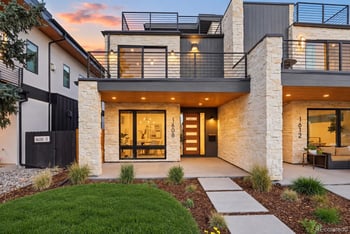
$1,825,000
Active
4
Beds
5
Baths
3300
Sqft
0.07
Acres
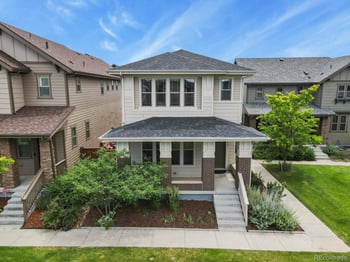
1608 S Washington St, Denver, CO 80210
MLS#: REC7038465
.jpg)


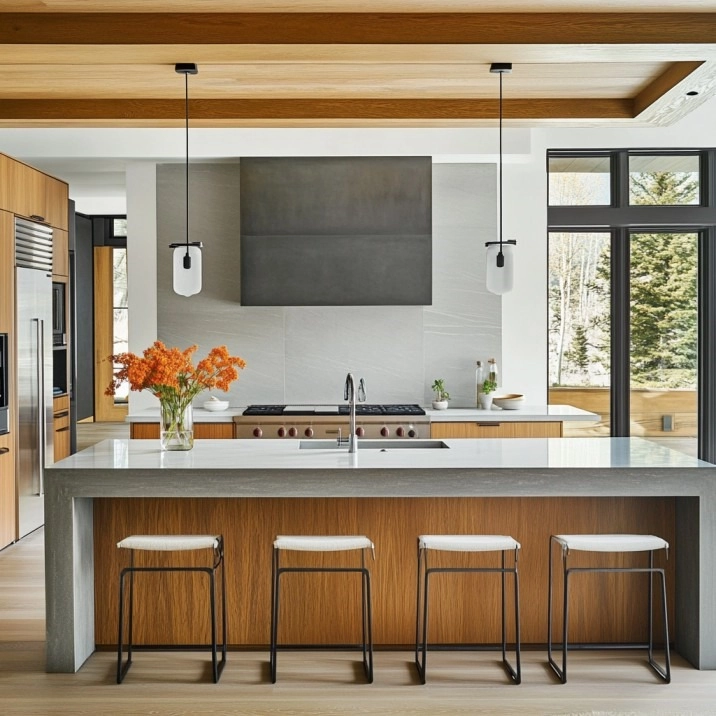
Modern kitchen styles that sell fastest on the Front Range right now share three things: light cabinet tone, a stone or quartz counter, and a layout that opens to a living or dining space. Denver, Aurora, Lakewood, Littleton, Colorado Springs, and Fort Collins buyers respond to the same handful of looks, and picking the right one for your home's age and price point matters more than chasing a trend photo.
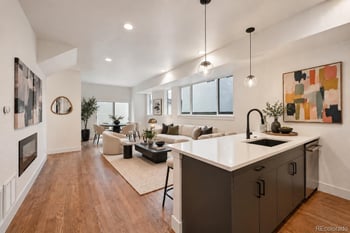
White and light-gray shaker cabinets with quartz counters remain the top resale style across every Front Range price band because they photograph well and read as move-in ready to the widest pool of buyers. Warm wood-tone cabinets, frequently white oak, have gained ground over the last two years in $600,000-plus listings, paired with black or brass hardware. Two-tone kitchens, a painted island against wood-tone perimeter cabinets, work well in Denver bungalows and mid-century ranches where a single wall of white would look flat against the home's original character.
A minor kitchen remodel, new counters, new hardware, new backsplash, and a repaint of existing cabinet boxes, in the $12,000 to $25,000 range returns 70% to 85% of its cost at closing in most cases because it removes the single biggest objection buyers raise on a showing sheet. A full gut remodel above $50,000 returns a smaller percentage proportionally, since buyers pay for a nicer kitchen but rarely pay dollar-for-dollar on top of the neighborhood's ceiling price.
Denver and the surrounding counties require a permit for a new electrical circuit, a moved gas line, or a range hood vented through a new exterior penetration. Swapping countertops, cabinet fronts, a sink, or a faucet without moving plumbing or wiring does not require a permit in most Front Range jurisdictions, though a few smaller towns set their own rules. A new island with its own outlet or a relocated range almost always triggers an electrical permit; confirm with your city or county building department before the contractor opens a wall.
An interior kitchen remodel that does not add a window, change the exterior vent location, or alter the footprint does not need HOA or metro district sign-off in most cases. A new range hood that vents through the roof or an exterior wall in a new location is the item most apt to require architectural review in a Front Range HOA, so confirm the vent path before ordering the hood.
Front Range tap water runs 7 to 15 grains per gallon depending on the municipality, and that hardness leaves spotting on polished stainless appliances and matte black faucets faster than a soft-water climate. Honed or leathered quartz and granite hide water spotting better than a high-polish finish, and a faucet with a matte or brushed finish shows fewer mineral marks than polished chrome over the kitchen's life.
Colorado's low humidity, especially above 5,000 feet, pulls moisture out of solid wood cabinet doors faster than the climate most manufacturers design around, and open shelving in raw or lightly finished wood shows checking and warping within a season or two without a sealed finish rated for low-humidity swings. Plywood-box cabinets with a wood veneer or a painted MDF door hold their shape through Front Range winters far better than solid slab wood doors, particularly on an island exposed to direct sun through a west-facing window.
Many Front Range neighborhoods sit on expansive bentonite clay soil that shifts seasonally with moisture, moving the slab under kitchen tile by a fraction of an inch over time. That movement cracks grout lines and, eventually, individual tiles near cabinet toe-kicks and appliance edges. Large-format porcelain tile and engineered wood or luxury vinyl both handle minor slab movement better than natural stone tile, which is more prone to cracking under the same stress.
A kitchen remodel puts new plumbing, new electrical, and new gas connections in front of a buyer's inspector, and any unpermitted work discovered during the inspection window becomes a repair or credit request under the Colorado Contract to Buy and Sell Real Estate's inspection objection deadline. A range hood that dumps exhaust into the attic instead of venting outside is one of the most common issues Front Range inspectors flag in a kitchen remodel; venting it correctly the first time avoids a negotiation later.
Colorado's Seller's Property Disclosure form asks whether work was permitted and performed by a licensed contractor. Keep receipts, permit records, and the contractor's license number together from day one of the project; buyers and their inspectors ask for this documentation more frequently in a kitchen than in any other room. Preparing and adding value before selling breaks down which kitchen fixes matter most at your price point.
A $350,000 to $500,000 Front Range home supports a $12,000 to $20,000 kitchen refresh: paint or reface the cabinet boxes, replace the counter, update hardware and lighting. A $600,000 to $900,000 home supports $30,000 to $60,000, including new cabinet boxes, an island, and a professional-style range. Above $1 million, buyers expect a fully custom kitchen with integrated appliances; a builder-grade kitchen under that price point can hold a listing back regardless of the rest of the home's condition. A Smart Pricing Report shows exactly what recent buyers in your neighborhood paid for kitchens at each finish level.
A Denver bungalow or Park Hill four-square carries a warm wood-tone or two-tone kitchen better than an all-white slab-door look, which reads out of place against original trim and hardwood floors. A Highlands Ranch or Castle Rock two-story with an open floor plan takes a bright white or light-gray shaker kitchen well, since the kitchen flows directly into the living space and the light cabinetry keeps the whole downstairs feeling larger. A downtown Denver or LoDo loft with exposed brick and ductwork suits an industrial-chic kitchen: dark cabinet lowers, open shelving, and matte black hardware and fixtures that match the building's existing bones. Scandinavian-inspired kitchens, light wood, simple hardware-free cabinet fronts, and a neutral palette, work well in newer Front Range construction with abundant natural light.
A dated but functional kitchen rarely needs a full remodel before listing; a light refresh, paint, hardware, lighting, and a deep clean, moves the needle more per dollar spent in most cases than a gut remodel timed right before going on market. A kitchen with a failing appliance, active leak, or code violation should get fixed before photos, since those items surface in every showing and every inspection. The Colorado home seller's guide walks through which kitchen repairs pay for themselves before listing.
The Kenna Real Estate Group helps Front Range sellers pick the kitchen updates buyers in their exact price band actually pay for, before spending a dollar on a remodel. Call or text 303-955-4220. A live person answers. Not a robot, not a phone tree. Ready to look at homes instead? Search every home for sale in Colorado.
Questions about any home in Colorado? Call or text 303-955-4220. A live person answers.
White and light-gray shaker cabinets with quartz counters sell fastest across every price band. Warm wood-tone kitchens are gaining ground in $600,000-plus listings.
A minor remodel in the $12,000 to $25,000 range returns 70% to 85% at closing in most cases. A full gut remodel above $50,000 returns a smaller percentage proportionally.
No, not for counters, cabinet fronts, or a sink swap. A new electrical circuit, moved gas line, or new range hood vent penetration requires a permit.
Water running 7 to 15 grains per gallon leaves spotting on polished stainless and chrome faster than a soft-water climate. Honed stone and matte fixtures hide it better.
Solid wood doors shrink and show gaps at 5,000-plus feet without proper kiln-drying. Plywood-box cabinets with a veneer or painted MDF hold their shape better.
An interior remodel that doesn't add a window or change exterior venting does not need approval in most cases. A new range hood vent path frequently does.
Colorado's Seller's Property Disclosure form asks whether the work was permitted and who performed it. Keep permits and contractor licenses on file.
A light refresh, paint, hardware, and lighting, returns more per dollar in most cases than a full gut remodel timed right before listing.