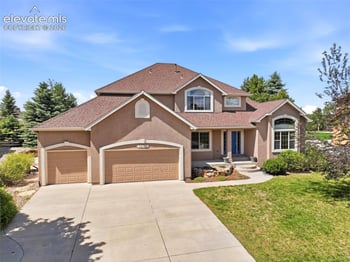
New - Just Now

$825,000
Active
4
Beds
2
Baths
1996
Sqft
0.1718
Acres
1521 N Weber St, Colorado Springs, CO 80907
MLS#: 3523409
.jpg)


The upgrades that move a Colorado home fastest are the ones a Front Range buyer notices in the first ninety seconds: a clean, hail-free roofline, a decluttered interior, and a yard that looks intentional instead of thirsty. A full remodel almost never pays for itself before a sale; a focused list of low-cost fixes does.
Buyers touring Denver, Aurora, Lakewood, or Colorado Springs homes this year are comparing your listing to photos on their phone before they ever knock on the door. A sale-ready home is clean, neutral, well-lit, and free of anything a home inspector would flag as deferred maintenance. That means working roof, functioning furnace and evaporative cooler or AC, no active leaks, and doors and windows that open and close the way they should.
Start with a walk-through as if you were the buyer's inspector. Note anything that looks unfinished, patched, or original to a 1970s or 1980s build. Those are the items that most commonly turn into a repair request after the buyer's inspection.
Cosmetic, low-cost work consistently outperforms big-ticket remodeling when a home is about to list. The table below reflects what agents across the Kenna Real Estate Group's Front Range markets see sellers spend and recoup in a normal market.
| Upgrade | Typical Cost | What It Does for a Sale |
|---|---|---|
| Interior paint, neutral tones | $1,500 to $4,000 | Covers scuffs, dated colors, and pet or smoke odor |
| Deep clean and full declutter | $300 to $900 | Makes every room photograph larger |
| Xeriscape or refreshed front bed | $500 to $2,500 | Fixes curb appeal without a high water bill |
| Hail-damage roof repair | $400 to $12,000+ | Clears the inspection and the insurance claim history |
| Cabinet paint and new hardware | $800 to $2,500 | Updates a kitchen without a full remodel |
| Carpet replacement or deep clean | $250 to $3,000 | Removes the single biggest odor and wear complaint |
Front Range hail season runs from spring through September, and a roof, gutters, or siding with unrepaired hail damage will come up in almost every home inspection. If your home has an open or recent insurance claim, resolving it before you list keeps the repair off the buyer's negotiation list and off the title company's radar. A roof that's already been replaced under a hail claim is a selling point worth stating plainly in the listing.
Colorado's standard purchase contract sets an inspection objection deadline, a specific date by which the buyer must raise any repair requests in writing or waive them. Sellers who handle obvious issues, a leaking p-trap, a cracked window seal, a loose deck board, before that date keep the objection period short and simple. Sellers who leave visible problems for the buyer's inspector to find end up with a longer repair list and a lower final price.
Colorado's 300-plus days of sun and low humidity make thirsty, high-maintenance landscaping a liability, not an asset. Buyers increasingly ask about water use before they ask about square footage. A refreshed front bed with drought-tolerant plants, clean mulch, and a repaired or reseeded patch of lawn reads as low-maintenance rather than neglected. Power-washing the driveway and walkway removes the winter mag chloride haze that builds up on Front Range concrete every year.
Much of the Front Range, and Colorado Springs in particular, sits on expansive bentonite clay soil that shifts with moisture. Hairline foundation or drywall cracks are common and cosmetic in most cases, but a seller should have any visible cracking, especially near doors and windows that no longer close square, looked at before listing. A short letter from a structural engineer confirming a crack is cosmetic can prevent a buyer's inspection from turning into a renegotiation.
Many Front Range subdivisions and metro districts have architectural review rules covering paint colors, fencing, roofing materials, and even yard signs. Before repainting the exterior or swapping landscaping, check your HOA's guidelines; a change that has to be reversed after an architectural complaint costs more than doing it right the first time. See the Denver HOA rules and fees guide for what to expect at closing.
Colorado sits largely in an EPA Zone 1 radon area with high radon potential, and most Front Range buyers will test during their inspection whether the seller does or not. Testing ahead of time, and having mitigation installed if the result comes back high, keeps radon off the post-inspection negotiation list entirely instead of becoming a surprise credit request. Repairing it before listing costs less than negotiating a credit after inspection.
Not every seller has the time, cash, or interest in prepping a home for a traditional listing. Companies like cash home buyer services purchase homes as-is, and networks such as The California Home Buyers operate the same way in other markets; most Front Range sellers still net more by listing on the open market even after prep costs, but an as-is cash sale is a legitimate option worth comparing side by side with a traditional listing before deciding.
Paint, deep cleaning, and landscaping refresh work can be done in a single weekend with a hired crew, or one to two weeks handled solo around a work schedule. Roof repairs tied to an insurance claim take longer, two to four weeks once an adjuster inspects the damage and a contractor gets on the schedule, so start that process as early as possible if you're planning a spring or summer listing.
Pressure-washing the driveway, walkway, and siding removes a winter's worth of mag chloride residue for less than $200 and instantly brightens a home's exterior. Trimming overgrown shrubs, edging the lawn, adding a fresh coat of paint to the front door, and replacing a worn house-number plaque round out a curb-appeal pass that costs under $500 total and takes a single weekend.
Smell and light top the list. A home that smells like pets, smoke, or a musty basement loses buyers before they've seen the second room, regardless of how the kitchen looks. Open every blind and turn on every light before a showing; Colorado's sun is one of the biggest selling points a home has, and a dim room wastes it. After smell and light, buyers consistently notice flooring condition and whether a kitchen looks current, even if the rest of the house is original.
The Kenna Real Estate Group walks Front Range sellers through a pre-listing checklist, connects them with trusted local contractors for hail repairs and staging, and prices the home with current Denver metro comps. Call or text 303-955-4220. A live person answers. Not a robot, not a phone tree. Ready to see what's already on the market at your price point? search every home for sale in Colorado.
Questions about any home in Colorado? Call or text 303-955-4220. A live person answers.
Most Front Range sellers spend $3,000 to $10,000 on paint, cleaning, minor repairs, and landscaping. Hail-damaged roofs and expansive-soil crack repairs can push that higher.
Colorado's seller disclosure requires reporting known material defects, including unresolved hail damage or an open insurance claim. Repairing it before listing costs less than negotiating a credit after inspection.
It's not legally required, but most Front Range buyers test during their inspection. Testing and mitigating ahead of time keeps it off the post-inspection negotiation list.
Interior paint in neutral tones and a full declutter and deep clean consistently return more than their cost, more than most kitchen or bath remodels.
Yes. Buyers increasingly value low-water, drought-tolerant landscaping over a thirsty lawn, especially with local water restrictions during summer months.
It's the date in the purchase contract by which a buyer must submit repair requests in writing. Fixing obvious issues before listing keeps that period short.
If it's worn, stained, or more than 10 years old, replacing or professionally cleaning it is one of the highest-value, lowest-cost upgrades before a showing.
Yes. A traditional as-is listing or a cash-buyer sale both work; an as-is sale nets less than a prepped listing in most cases, but takes far less time and no upfront cash.