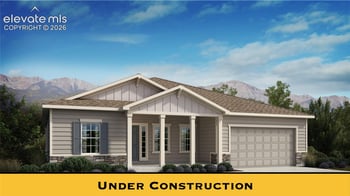
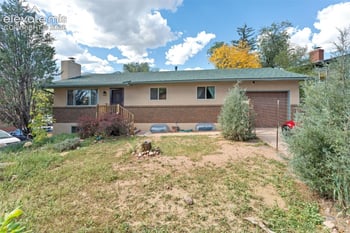
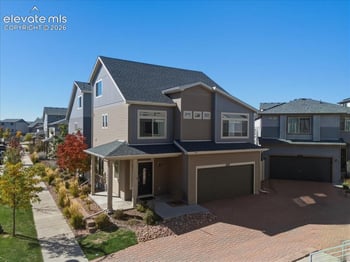
Open: Sat 12:00 PM - 2:00 PM
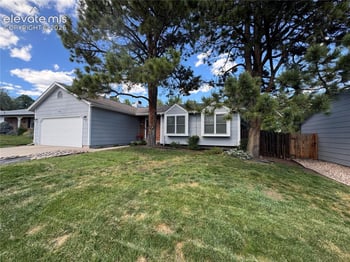
$550,000
Coming Soon
4
Beds
3
Baths
2284
Sqft
0.21
Acres
414 Saddlemountain Rd, Colorado Springs, CO 80919
MLS#: 1878703
.jpg)


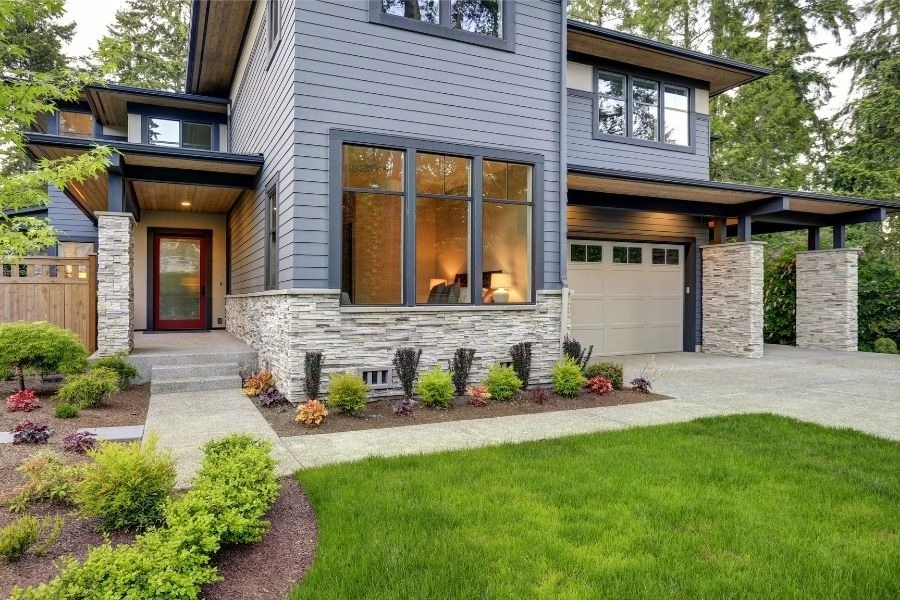
Not every exterior update before a Colorado sale needs a full roof or siding budget. Texture accents, lighting, and fencing are lower-cost updates that still read clearly in listing photos, as long as the materials are chosen for Front Range weather rather than a generic home-improvement list.
Manufactured stone veneer, properly installed with a drainage plane behind it, holds up well to Front Range freeze-thaw cycling, since the material itself does not absorb and hold water the way some masonry does. Poor installation without proper flashing and drainage is the more common cause of veneer failure in Colorado's climate than the material itself.
Warm-white, downward-facing fixtures are broadly approved across Front Range HOAs, and a growing number of communities in foothills and mountain-adjacent areas require dark-sky-compliant fixtures that shield the bulb. Pathway lighting and an updated entry fixture rarely require Architectural Review Committee approval since they do not change the home's structure or color.
Yes, in most Front Range HOAs. Fence height, material, and color require Architectural Review Committee approval before installation, with a common review window of 30 to 45 days. Submitting plans before scheduling a fence contractor avoids paying for materials that later need to change.
| Fence material | Wind performance | Cost per linear foot |
|---|---|---|
| Wood privacy | Fair; panels can warp or blow out in high wind | $20 to $35 |
| Vinyl | Good; some panels rated for higher wind loads | $25 to $40 |
| Wrought iron/aluminum | Excellent | $30 to $45 |
| Chain link | Excellent | $10 to $20 |
Downslope wind events along the foothills, from Golden to Boulder to Colorado Springs, can gust 60 to 100 mph, which is enough to blow out poorly braced wood privacy panels. Wind-rated bracing and post spacing closer than the manufacturer's minimum reduce that risk.
Most Front Range cities require a permit for fences above a certain height, commonly 6 feet, but not for shorter decorative fencing. Requirements differ by city and county, so confirm before installation, particularly if the fence sits near a property line or easement.
A small accent area, such as porch columns or a section of front wall, runs $1,500 to $4,000 installed depending on square footage and stone type. Covering an entire home's lower level in veneer runs significantly more and is closer to a full siding-tier project than a quick pre-listing update.
A power wash of siding, walkways, and driveway, at $250 to $500, combined with a repainted front door and new house numbers, at $150 to $400, gives the biggest visible change relative to cost and is completed in a single weekend before photos are scheduled.
Yes. In Colorado's wildland-urban interface communities, gravel or hardscape near the foundation and properly spaced, trimmed shrubs read as an intentional, maintained update to buyers who are already asking wildfire-zone questions. It costs less than traditional landscaping since it reduces the amount of plant material needed.
Power washing, painting a door, and adding lighting are completed in a single weekend. Stone veneer accents and fencing, which require contractor scheduling and possible HOA approval, need 2 to 6 weeks of lead time depending on the season, since spring and summer are the busiest months for Front Range exterior contractors.
Power washing, mulching and edging existing beds, repainting a door in an already-approved color, and adding portable or plug-in outdoor lighting require no permit or HOA sign-off, since none change the home's structure, footprint, or exterior color scheme.
Yes. Colorado's roughly 300 days of sun a year mean listing photos and showings almost always happen in strong, direct light, which makes a fresh, well-chosen door color one of the highest-visibility, lowest-cost updates available. Darker, saturated colors photograph particularly well against neutral Front Range siding palettes.
Most Front Range HOAs cap rear and side yard fencing at 6 feet and front yard fencing lower, commonly 3 to 4 feet, though exact limits vary by community. Confirm your specific HOA's covenants before building, since exceeding the limit can require removal and rebuilding.
Small updates make sense when a home is otherwise in sound condition and the goal is maximizing showings and first-weekend offers. A full renovation makes more sense when the roof, siding, or another structural element is already near end-of-life, since deferred structural issues will surface in a buyer's inspection regardless of how good the landscaping looks. Compare both paths against a Colorado Smart Pricing Report before committing budget either way.
Under the Colorado Contract to Buy and Sell Real Estate, a buyer's Inspection Objection lists specific defects, not general cosmetic preferences, so a repainted door or new lighting does not itself change what a buyer can raise. What it does change is how the home compares to other listings during the showings that happen before an offer, which is the stage that determines how many buyers reach the inspection period in the first place.
Structural items, like a sagging fence post or a rotted trim board, can appear on an objection even after a cosmetic update elsewhere, since inspectors look at function, not paint color. Pairing a quick cosmetic pass with a walk-through for structural issues, using the same checklist a buyer's inspector would use, catches both categories before listing.
The Kenna Real Estate Group tells Front Range sellers exactly which low-cost updates are worth the weekend and which ones to skip, based on your neighborhood's actual comps. Call or text 303-955-4220. A live person answers. Not a robot, not a phone tree. Ready to look at the market? Search every home for sale in Colorado.
Questions about any home in Colorado? Call or text 303-955-4220. A live person answers.
Power washing siding and walkways for $250 to $500, plus a repainted front door for $150 to $400, gives the biggest visible change in a single weekend.
Most do, with fence height, material, and color requiring Architectural Review Committee approval, a 30- to 45-day review.
Wrought iron, aluminum, and chain link hold up best to Front Range downslope wind gusts of 60 to 100 mph. Wood privacy panels are most prone to blowing out.
Properly installed veneer with correct flashing and a drainage plane holds up well. Failures come from poor installation, not the material.
Most Front Range cities only require a permit above a certain height, commonly 6 feet, not for shorter decorative fencing.
Small updates work when the home is otherwise sound. A full renovation makes sense when the roof or siding is already near end-of-life, since that will surface in a buyer's inspection regardless.