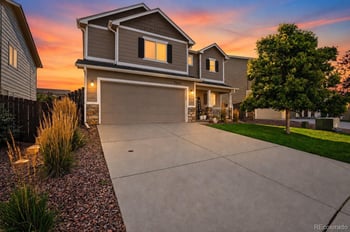
New - 1 Hour Ago
$660,000
Active
5
Beds
4
Baths
2357
Sqft
0.19
Acres
6711 Tumble Creek Dr, Colorado Springs, CO 80924
MLS#: REC4449254
.jpg)



A Colorado seller gets a better appraisal by handing the appraiser proof: permits for every improvement, receipts with dates, a one-page comps sheet of closed sales, and a house where nothing is broken on the day of the visit. The appraiser measures to the ANSI Z765 standard, counts a basement bedroom only when it has an egress window, and gives no credit for furniture, hot tubs, leased solar or a fresh coat of paint on a house that was already in average condition.
This is the prep list the Kenna Real Estate Group gives every Front Range seller, from Fort Collins to Colorado Springs, two weeks before a lender appraisal or a refinance appraisal. It covers the paperwork packet, the permit question, how a finished basement is counted, what the ANSI measuring rule changed in 2022, the repairs that matter, and the improvements that do not move the number.
Appraisers write a report from what they can verify. A folder on the kitchen counter does more for the number than any weekend project. Include:
Background on how home appraisals weigh each of these items sits behind that link; the Colorado-specific version, with the contract deadlines and the appraisal gap options, is in the group's guide to how a Colorado home appraisal works.
An appraiser who finds a finished basement, an added bedroom or a second kitchen with no permit on file writes it into the report. On a conventional loan the lender decides whether to count the unpermitted area; on FHA and VA loans the appraiser flags anything that looks like it was built without inspection, and the lender can require a permit close-out or a contractor's letter before closing. Unpermitted work does not kill a Colorado sale by itself, but it removes the value the seller paid for.
The fix, when time allows, is a retroactive permit. Denver and most metro counties issue them after an inspector looks at the work; electrical and plumbing get opened up where the inspector needs to see them. Start the process 60 days before listing, and read the guide to converting a Colorado basement into a suite before adding a kitchen below grade, because a second kitchen has its own zoning rules in Denver.
Front Range homes are basement homes. A 1,600 square foot ranch in Centennial with a finished basement lives like a 3,000 square foot house, and the appraisal treats those two numbers differently:
The finished basement guide covers the ceiling heights, egress sizes and moisture checks buyers look for, which are the same ones the appraiser looks for.
Since April 2022, appraisals on conventional loans measure the house to the ANSI Z765 standard. The appraiser measures the exterior, counts only finished space with a ceiling of 7 feet or more (with a narrow exception for sloped ceilings), excludes open-to-below areas, and reports below-grade space separately. A listing that pulled its square footage from the county assessor, an old appraisal or a builder's plan set is off by 5 to 10 percent on a lot of Front Range homes, in either direction.
When the appraiser's number comes in under the listing number, the comps stay the same but the price per square foot math shifts. The seller's protection is to have the home measured to ANSI before listing, so the MLS number, the comps sheet and the appraisal all agree.
The appraiser assigns a condition rating, and the difference between a home in average condition and one with visible deferred maintenance is real money on the report. Fix the small, visible things first:
Skip the big projects. A kitchen remodel started two weeks before the appraisal is an unfinished kitchen on appraisal day, and unfinished work is rated as such. The adding value before selling guide ranks the projects that pay back on a Colorado home and the ones that do not.
A residential appraisal visit on a Front Range home runs 20 to 60 minutes. The appraiser photographs every room, measures the exterior, checks the mechanicals and walks the lot. Be on time, hand over the packet, then step outside or into the yard. Do not follow the appraiser room to room, and do not argue value on the spot; the packet does the talking. Pets go in a crate or out of the house, every room is lit, and the furnace room is clear to the front of the unit.
Cleaning and staging do not change the value line, but a clean house lets the appraiser see the condition, and a cluttered basement gets rated as the storage room it looks like.
| Item | Counts on the report | How |
|---|---|---|
| Finished basement with egress bedroom and bath | Yes | Below-grade finished area plus bedroom and bath count |
| Permitted addition or second bath | Yes | Added to above-grade area and room count |
| New roof after a hail claim | Yes, as condition | Moves the condition rating; the Class 4 shingle invoice goes in the packet |
| Owned solar panels | Yes, where comps show it | Reported as an improvement with the purchase documents |
| Leased solar or a solar loan tied to the panels | No | The panels are the lease company's property, not the home's |
| Unpermitted basement or addition | Flagged | Noted in the report; the lender decides what to count |
| Hot tub, furniture, TVs, staging | No | Personal property |
| In-ground pool | Little | A three-month season on the Front Range; comps rarely support a premium |
| Xeriscape and mature trees | Yes, as condition and appeal | Landscaping rated with the exterior |
| High-end appliances | Little | Kitchen rated as updated or not; the brand does not matter |
A refinance appraisal follows the same prep list. The homeowner is the client's borrower instead of a seller, there is no buyer to negotiate a gap with, and a low number means a smaller loan or a canceled refinance. The packet, the permits and the ANSI measurement matter more, not less, because there is no comps sheet from a listing agent unless the owner builds one.
For a purchase or a refinance, the Kenna Real Estate Group works with Mike Oswald, VP of Mortgage Lending at Rate, NMLS 261003, Equal Housing Lender, who orders the appraisal early so a low number surfaces with time left to send comps. You are free to use any lender. Details are on the financing page, and VA borrowers should read the Colorado VA appraisal guide for the Tidewater rules.
The Kenna Real Estate Group, Keller Williams DTC, builds the comps sheet, pulls the permit history and measures the home to ANSI on every Colorado listing before the appraiser is assigned. Call or text 303-955-4220. A live person answers. Not a robot, not a phone tree. When it is time to buy the next one, search every home for sale in Colorado.
Questions about any home in Colorado? Call or text 303-955-4220. A live person answers.
A folder with the permit history, dated receipts for every improvement in the last 10 years, a comps sheet of three to six closed sales from the same area, HOA and metro district figures, and invoices for the roof, radon system, sewer line and solar purchase.
No. Without a code-sized egress window or door it is reported as a rec room or den. Adding an egress window in a Denver metro basement is a permitted job that turns the room into a bedroom on the report.
Conventional appraisals since April 2022 measure to ANSI Z765: exterior measurement, finished space with 7-foot ceilings, no open-to-below areas, and basement space reported separately. County records were never measured that way.
Be there to open the door and hand over the packet, then give the appraiser the house. The visit runs 20 to 60 minutes; following room to room and arguing value on the spot does not help.
No. Leased panels and panels under a loan secured by the equipment belong to the lease company. Owned panels with the purchase documents are reported as an improvement and count where the comps support it.
It raises the condition rating and removes a roof objection. Put the replacement invoice, the date and the shingle class in the packet; a Class 4 impact-rated shingle also matters to the buyer's insurer.
Finish it or postpone it. An unfinished kitchen or bath on appraisal day is rated as unfinished. Two-week projects are the visible repairs: stains, windows, handrails, paint and anything that does not turn on.