.jpg)


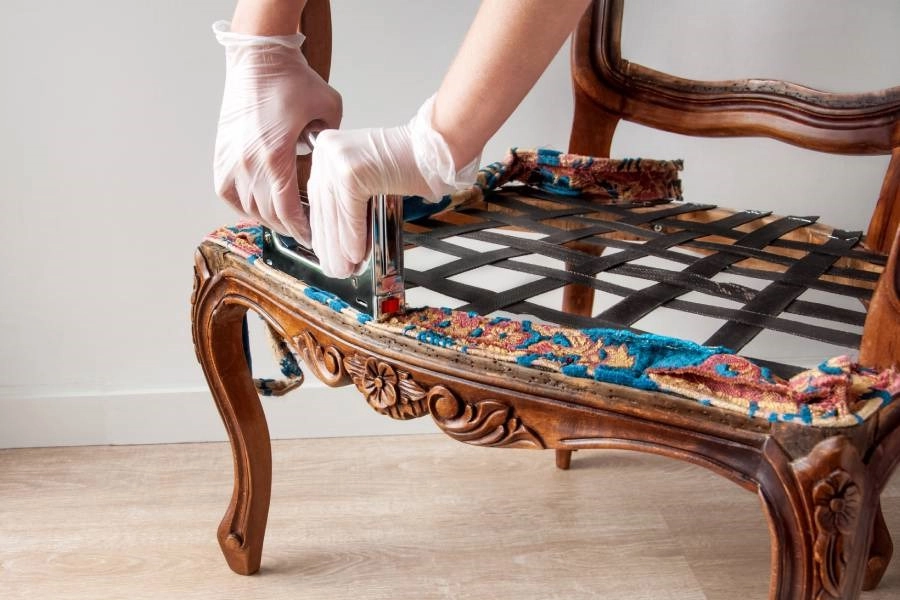
Upcycling furniture is a practical way to refresh a Front Range home before listing without buying new pieces, but Colorado's dry climate and big temperature swings change which tools and finishes actually hold up. The short answer: use eco-friendly, low-VOC tools built for slower drying times, and finish any piece meant to stay in the home at least two to three weeks before listing photos.
Does upcycled furniture help or hurt a Colorado home's listing photos?
A well-finished, neutral-toned upcycled piece photographs as intentional design and adds character without the cost of new furniture. A piece that is mid-project, unevenly sanded, or still showing old hardware reads as unfinished work and should be stored, not staged.
What eco-friendly tools work best for upcycling furniture at altitude?
Low-VOC paints and stains, electric sanders with dust collection, and cordless drills with brushless motors are standard choices for a Front Range garage project. Dust collection matters more here than in humid climates, since dry sanding dust travels further in low-humidity air and settles on nearby surfaces.
Does Colorado's dry air affect wood furniture during an upcycling project?
Yes. Wood can shrink slightly and joints can loosen in the Front Range's 10 to 25 percent winter indoor humidity, which is worth checking before starting a refinish. Tightening loose joints first prevents a fresh coat of paint or stain from cracking along a seam that shifts after the finish cures.
Do cordless tools perform differently in Front Range winter garages?
Lithium-ion battery tools lose charge capacity faster in a cold, unheated garage, common through a Colorado winter. Keep batteries indoors between uses and let them come to room temperature before a charging cycle, since charging a very cold battery reduces its long-term capacity.
Should sellers upcycle furniture before listing or just remove it?
If a piece is structurally sound and fits the home's overall look once refinished, upcycling it is commonly cheaper than buying a replacement for staging. If a piece needs major repair or does not fit the space, storing or donating it is the faster path before a listing deadline.
Does 300 days of Colorado sun fade or dry out refinished furniture?
South- and west-facing rooms get strong, direct UV most of the year, which can fade paint and stain faster than in less sunny climates. A UV-resistant topcoat protects a freshly refinished piece placed near a bright window, and rotating pieces out of direct sun between showings helps as well.
What finish holds up best to Front Range humidity swings on upcycled pieces?
A hard-wax oil or polyurethane topcoat handles the region's swings between dry winter air and brief humid spells better than an unsealed painted finish, which can chip more easily as wood expands and contracts. Seal any piece meant to stay in the home long-term, not just one going up for sale.
Is upcycled furniture worth keeping for staging in a starter versus luxury listing?
In starter and move-up listings across Aurora, Thornton, and Colorado Springs, a clean, well-refinished piece photographs as well as new furniture at a fraction of the cost. In luxury listings above roughly $1 million, buyers expect a higher-end finish, so weigh professional refinishing or replacement over a DIY project for those homes.
Does an HOA restrict outdoor furniture refinishing projects in a driveway or garage?
Many Front Range HOAs, including HRCA communities, limit visible outdoor work, sanding dust, or paint spraying done in a driveway where neighbors can see it. Check the association's rules before setting up a refinishing station outside, and keep projects inside a garage with the door down when possible.
How should a seller ventilate a Colorado garage when refinishing furniture in winter?
Crack a window or use a box fan venting outward even in cold weather, since low-VOC finishes still off-gas during curing and a sealed, unheated garage traps fumes longer than an actively ventilated one. Plan projects for a stretch of milder days when the garage door can stay open longer.
Does wildfire smoke season affect drying time for paint or stain finishes?
Heavy smoke reduces air circulation quality and can leave a fine layer of particulate on a wet finish if windows are open during peak smoke weeks in late summer. Time refinishing projects for spring or early summer when air quality is more consistent along the Front Range.
What tools does a first-time upcycler need for a Front Range furniture project?
An orbital sander, a basic drill, sandpaper in a few grits, a low-VOC primer and topcoat, and painter's tape cover most beginner projects. A cordless nail gun speeds up repairs on loose joints or trim before refinishing; what you need to know about cordless nail guns is worth a read before buying one, and you are free to use any brand or retailer you prefer. Add a dust mask and eye protection, since dry sanding dust is more airborne in Colorado's low humidity than in a more humid climate.
Should upcycled furniture go into storage or stay staged during a listing?
A finished, neutral piece that fits the room stays staged. Anything still curing, smelling of fresh finish, or not yet matched to the room's palette belongs in storage until after the sale, since lingering finish odor is one of the fastest ways to turn off a buyer during a showing.
Is upcycling more affordable than buying staging furniture in Colorado?
In most cases, yes. A basic tool kit and finish supplies for a single piece run $40 to $100, compared with $150 to $400 or more for a comparable new staging piece from a furniture retailer. The tradeoff is time, since a proper refinish takes a full weekend with drying time built in, not an afternoon.
Does upcycling reduce a home's environmental footprint in a way buyers notice?
Some Front Range buyers do ask about sustainable or reused materials in a home, and a well-refinished, quality piece of furniture supports that story better than a description alone. It is a minor factor in most sales, but a nice detail to mention if a buyer brings it up during a showing.
Where to go next
- Why Amish Furniture Is a Smart Choice for a Sustainable Home in Colorado
- How to Stage Your Colorado Home When Downsizing
- Preparing and Adding Value Before Selling
- Showing Your Colorado Home to Buyers
- Denver HOA Rules and Fees Guide
- Search every home for sale in Colorado
Talk to the Kenna Real Estate Group
The Kenna Real Estate Group can tell you which furniture and staging projects are worth the weekend before your home goes on the market, and which ones to skip. Call or text 303-955-4220. A live person answers. Not a robot, not a phone tree. See what's for sale right now: search every home for sale in Colorado.
Homes for sale that match this post
Guides
Questions about any home in Colorado? Call or text 303-955-4220. A live person answers.