New - 15 Mins Ago

.jpg)


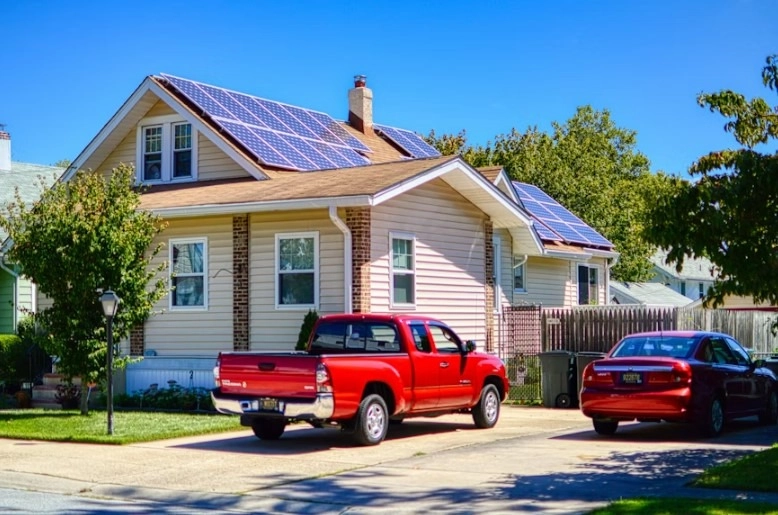
The Front Range regularly swings 20 to 40 degrees between the day's high and the overnight low, and that swing is what makes a Colorado home feel like a furnace in the afternoon and a refrigerator by morning even with the HVAC running. Seven upgrades, done in the right order, close that gap: air sealing, insulation, a modern heat pump, better windows, a reflective roof, a smart thermostat and a professional energy audit to confirm what to do first.
Thin, dry, high-altitude air holds less heat than humid air at sea level, so it cools faster once the sun sets. A home with gaps in the building envelope tracks that outdoor swing indoors, heating up fast in direct sun and losing warmth fast after dark. Closing the envelope, not just running the HVAC harder, is what actually flattens the indoor swing.
Warm and cold air both move through gaps around doors, windows, electrical outlets and plumbing penetrations. Air sealing these gaps cuts energy waste by 5% to 30% a year, and weatherstripping, caulking and foam sealant around pipes are affordable, DIY-friendly fixes that pay back fast. Everything else on this list performs better once the envelope is sealed.
Denver falls in a cold climate zone under federal energy code guidance, and most homes built before the 1990s carry insulation well below what that zone calls for today, especially in the attic and crawl space. The EPA estimates properly insulating an attic saves around 15% on heating and cooling costs. Spray foam or cellulose in the attic, basement rim joist and exterior walls delivers the highest return of any upgrade on this list.
A heat pump heats in winter and cools in summer from the same system, and a modern inverter-driven unit cuts electricity use for heating by around 75% compared with older resistance or furnace-only systems. Choose a cold-climate model rated for sub-freezing performance and a high SEER2 rating; standard heat pumps not built for Colorado winters lose capacity exactly when a Front Range home needs it most. Ductless mini-splits work well in older homes without existing ductwork, a common situation in pre-1980s Denver bungalows.
Single-pane windows are the single biggest source of both summer heat gain and winter heat loss in an older Colorado home. Double-pane, low-E windows with an ENERGY STAR rating cut that transfer in both directions. Storm windows are a lower-cost interim step for homeowners not ready for a full replacement, and window film blocks UV without the cost of new glass.
Colorado's hail season runs from spring into early fall, and a Class 4 impact-resistant roof holds up to hail better than a standard shingle and, on many Colorado policies, qualifies for a homeowners insurance discount; ask your carrier for the exact number, since it varies by insurer. A lighter-colored or reflective roofing material also reduces summer heat gain, since dark shingles absorb solar heat that a light-colored roof reflects instead. Snow load matters too: confirm any roofing or rooftop solar installer accounts for the local building code's snow load requirement before signing a contract.
A smart thermostat that learns a household's schedule saves around 10% on heating and cooling costs, and pairing it with a zoned HVAC system on a multi-level home lets each floor hold its own temperature instead of fighting the thermostat on the main level. Zoning alone can improve overall efficiency by 15% to 30% in a home with uneven room-to-room temperatures.
A blower door test and infrared scan show exactly where a specific home is losing conditioned air, which turns a generic upgrade list into a prioritized one. Innovair is one resource for ductless heat pump specs and sizing, and a roof replacement primer is worth reading before getting quotes if the roof is part of the upgrade plan.
Xcel Energy runs rebate programs for insulation, air sealing, smart thermostats and heat pump installations; the dollar amounts change annually, so confirm the current figure on xcelenergy.com before budgeting. Denver's 2022 energy code raises the bar on insulation, air sealing and equipment efficiency for new construction and many major remodels; check with the local building department before assuming an older permit's standards still apply.
Buyers touring homes across Highlands Ranch, Centennial and the rest of the Front Range now ask about furnace age, window condition and insulation as routinely as they ask about the roof. The Kenna Real Estate Group's guide to adding value before selling and its pricing guide both cover which of these upgrades buyers actually pay for at closing.
| Upgrade | Typical cost range, 2,000 sq ft home | Where the savings shows up |
|---|---|---|
| Air sealing | $300 to $1,500 | Heating and cooling, both seasons |
| Attic insulation | $1,500 to $4,000 | Heating and cooling, plus resale return |
| Cold-climate heat pump | $8,000 to $18,000 | Electric heating and cooling combined |
| Window replacement, full house | $10,000 to $25,000+ | Comfort and heat loss, slower payback |
| Class 4 impact-resistant roof | $12,000 to $20,000 | Insurance discount plus hail durability |
| Smart, zoned thermostat | $300 to $2,500 | Fastest payback of any upgrade on this list |
These are planning ranges, not quotes; get at least two local bids before committing, since labor and material costs shift by season and by contractor availability across the Front Range.
Colorado's low humidity means a well-sealed home holds heated or cooled air efficiently, but it also dries out wood trim, doors and window frames faster than a humid climate would, which can open new gaps around openings that were tight when the home was built. Many homeowners pair air sealing and insulation upgrades with a whole-house humidifier tied to the furnace, which improves comfort at a lower thermostat setting and reduces static electricity and cracked woodwork over time.
A buyer purchasing a home that needs several of these upgrades can roll renovation costs into certain loan products rather than paying entirely out of pocket after closing. The Kenna Real Estate Group's Colorado home financing guide covers loan options that include renovation funds, which is worth reviewing before making an offer on a home with a dated furnace or original single-pane windows.
The Kenna Real Estate Group helps Front Range homeowners prioritize which energy upgrades pay off before a sale and which ones are worth doing just for comfort. Call or text 303-955-4220. A live person answers. Not a robot, not a phone tree. You can also search every home for sale in Colorado while you plan your next move.
Questions about any home in Colorado? Call or text 303-955-4220. A live person answers.
Thin, dry, high-altitude air holds less heat than sea-level air, so it cools faster after sunset. A home with gaps in its building envelope tracks that outdoor swing indoors.
Yes, when the unit is a cold-climate model rated for sub-freezing performance with a high SEER2 rating. A standard heat pump not built for cold climates loses capacity exactly when it's needed most.
Attic insulation. The EPA estimates properly insulating an attic saves around 15% on heating and cooling costs, and it consistently ranks as one of the highest-return upgrades a homeowner can make.
Many Colorado insurers offer a discount for Class 4 impact-resistant roofing; the exact amount varies by carrier, so ask directly when getting quotes.
Around 10% on heating and cooling costs on its own, and 15% to 30% more when paired with a zoned HVAC system in a home with uneven room temperatures.
It can, for new construction and many major remodels that touch insulation, air sealing or HVAC equipment. Check with the local building department before assuming older standards still apply.
Xcel Energy runs rebate programs for insulation, air sealing, smart thermostats and heat pump installations. Amounts change yearly, so confirm the current figure on xcelenergy.com.
Seal air leaks first, add attic insulation second, then move to a heat pump, windows, roofing and a smart thermostat. A professional energy audit turns this general order into a prioritized list for a specific house.