.jpg)


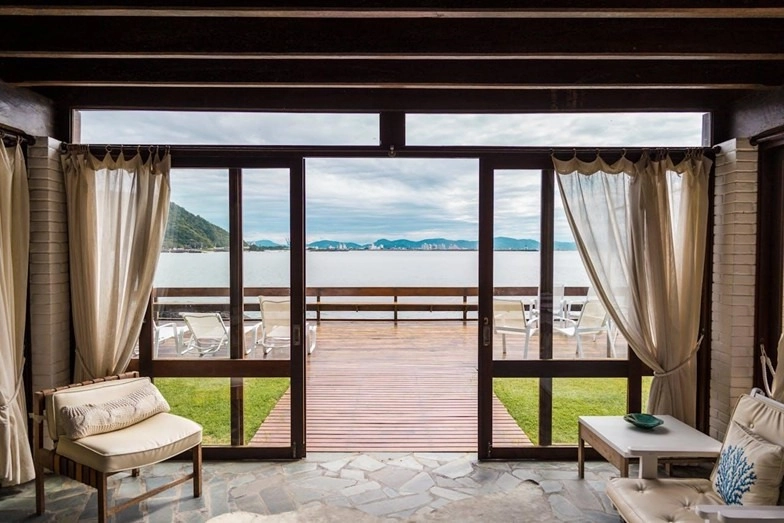
Custom curtains matter more in a Colorado home than in most markets for two practical reasons: Front Range windows tend to run larger and less standard than average, and this state's roughly 300 days of sun and stronger high-altitude UV fade a cheap, thin fabric panel within a couple of years. Ready-made curtains from a standard size chart rarely fit the tall, oversized windows common in Denver metro great rooms without pooling on the floor or stopping short of the sill.
Here is what to know about fabric, fit and cost before ordering custom window treatments for a Colorado home.
Why do custom curtains matter more in a Colorado home?
Front Range new construction and remodels lean toward taller windows and floor-to-ceiling glass to bring in mountain views and natural light, and standard 84- or 96-inch ready-made panels frequently run short on a 9- or 10-foot ceiling. Custom curtains are cut to the exact window height and width, which is the difference between a tailored look and an obviously off-the-rack one in a room with statement windows.
Does Colorado's high-altitude sun fade curtain fabric faster?
Yes. UV intensity increases with elevation, and Denver's roughly 5,280-foot altitude combined with close to 300 sunny days a year fades unprotected fabric, especially on south- and west-facing windows, noticeably faster than the same curtain would fade in a lower, cloudier climate. Fading shows up as uneven color loss on the sun-facing side of the panel within one to three years on cheap synthetic fabric.
What curtain fabric holds up best against Front Range UV?
- Solution-dyed acrylic and outdoor-grade fabrics: the most fade-resistant option, originally developed for patio and marine use.
- Heavier linen and cotton blends: fade more slowly than thin polyester sheers, though they still benefit from a lining.
- Lined and interlined panels: a blackout or thermal lining protects the face fabric from direct UV exposure and extends its life significantly.
- Unlined sheers: the fastest to fade and the least protective against Colorado's UV, best reserved for north-facing rooms.
Online workrooms such as Freshine Life, which sells linen custom curtains and a broader line of curtains, are one option alongside a local Front Range workroom for sourcing fade-resistant fabric.
How much do custom curtains cost compared to ready-made?
| Type | Cost per window (pair of panels) |
|---|---|
| Ready-made, standard size | $50 - $150 |
| Custom, mid-grade fabric | $200 - $500 |
| Custom, lined or blackout | $350 - $800 |
| Custom, floor-to-ceiling great room window | $600 - $1,500+ |
Do blackout curtains help with Colorado's temperature swings?
Yes. A lined or blackout curtain adds a measurable layer of insulation against a window, which helps hold heat in during a cold snap and blocks direct summer sun that heats a west-facing room through the afternoon. It will not replace a failing window seal, but paired with a well-sealed window it noticeably evens out a room's temperature through the day.
Should I use curtains or blinds for a Colorado home with large windows?
Many Front Range designers pair the two: solar or blackout shades close against direct glare and UV, with curtains layered over them for softness and to frame a mountain or valley view when the shades are open. Curtains alone on a very large window can look unfinished when open; a combination gives more control over light throughout the day.
Do curtains affect a home's energy efficiency in winter?
A lined curtain closed at night reduces heat loss through the glass, which is the coldest surface in most rooms during a Front Range winter night. It is a modest, low-cost addition to a home's overall efficiency rather than a substitute for proper window sealing or Low-E glass.
What curtain styles help a Denver home show well when selling?
Simple, floor-length panels in a neutral tone that frame rather than cover the window read best in listing photos, since they let in maximum natural light during a showing. Heavy, dated valances or mismatched patterns from room to room are among the fastest ways window treatments make a home look dated in photos.
Does an HOA regulate visible window treatments in Colorado?
Most Front Range HOAs do not regulate curtain fabric or color, since window treatments are interior finishes. Some communities do restrict visible window film tint or reflective material on street-facing windows; check your covenants if you are considering a reflective or mirrored film rather than fabric.
How long do custom curtains take to make and install?
Custom curtain orders take three to eight weeks from measurement to installation, depending on the fabric and workroom. Plan ahead of a listing date or move-in if custom treatments are part of the plan, since ready-made panels are the only realistic option on a shorter timeline.
What curtain length and fullness work best for Front Range great rooms?
A curtain that just kisses the floor or breaks slightly, roughly a half inch to an inch of extra length, reads as intentional and tailored, especially on the tall windows common in Colorado great rooms. Fullness of two to two and a half times the window width, meaning the fabric used is two to two and a half times as wide as the rod, gives a substantial look rather than a thin, stretched one.
Should curtains match flooring or wall color in a Colorado home?
Curtains that pick up a secondary tone in the flooring or an accent color in the room tie a space together without matching exactly, which reads as more intentional than a curtain that blends invisibly into the wall. In a home preparing to sell, a neutral tone that does not fight with the wall color photographs best for the widest range of buyers.
Do custom curtains add value when selling a Colorado home?
Window treatments do not add measurable resale value the way flooring or a garage door does, but dated, mismatched or damaged curtains detract from how a room shows, and simple, well-fitted panels are a low-cost way to make oversized Front Range windows look intentional in photos. See our guide to marketing your Colorado home for how staging details like this affect a listing.
What if my Colorado home has arched, oversized or non-standard windows?
Ready-made curtain rods and panels are built for standard rectangular windows, which leaves arched transoms, oversized picture windows and the angled windows common in mountain-view great rooms with few off-the-shelf options. A custom workroom measures each opening individually and can mount a rod above and to the sides of an arched or picture window so the curtain frames rather than covers the architecture, a detail that matters more in Front Range homes built around a specific view.
Does curtain color change how warm or cool a Colorado room feels?
Warm tones in a north-facing room that gets little direct winter sun make the space feel more inviting during the colder months, while a cooler, lighter tone keeps a south- or west-facing room from feeling overheated during long summer afternoons. This matters more in Colorado than in a climate with less intense, more consistent daylight, since the difference between a north-facing and south-facing room's light quality is more pronounced here.
Where to go next
- Ways Windows Affect Your Home's Aesthetic Appeal
- Why Old Windows Quietly Affect More Than the View
- How Luxury Home Interior Design Creates Timeless Living Spaces
- Marketing Your Colorado Home to Sell
- Preparing and Adding Value Before Selling
- Search every home for sale in Colorado
Talk to the Kenna Real Estate Group
The Kenna Real Estate Group helps Front Range sellers with the staging details, window treatments included, that help a home photograph and show at its best. Call or text 303-955-4220. A live person answers. Not a robot, not a phone tree. Or search every home for sale in Colorado right now.
Homes for sale that match this post
- New construction: guide
- Mountain views: guide
- Homes with Solar Panels in Denver
- Homes with 2 Car Garage in Denver
- Staging: guide
- All homes for sale in Denver
Guides
Questions about any home in Colorado? Call or text 303-955-4220. A live person answers.