New - Just Now

.jpg)


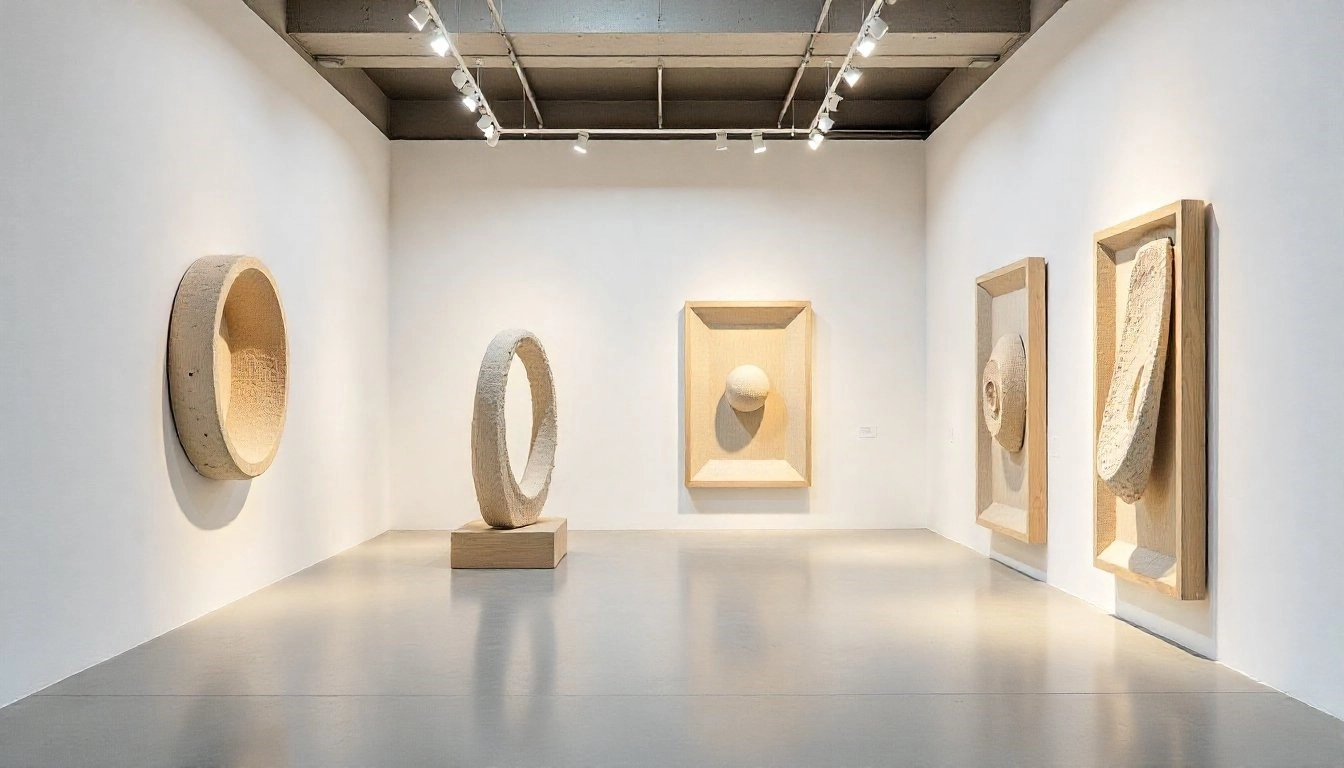
A modular wall art or track hanging system costs $150 to $600 for a single room and $800 to $2,000 for a whole-home installation across several rooms, and Front Range sellers increasingly use these systems to stage a home's art and décor without patching a wall full of nail holes before listing photos. The idea started in galleries, where modular walls let curators reconfigure a show without rebuilding walls between exhibits, and the same flexibility works for a homeowner who rotates art, photos, or a media display.
A basic picture-rail or track system for one room runs $150 to $400 in materials, plus $100 to $250 for professional installation if the homeowner does not do it themselves. A full modular panel wall, the kind used for a media wall or a gallery-style display across multiple rooms, runs $800 to $2,000 installed depending on panel material and wall length.
Buyers respond to walls that look finished without reading as permanently customized to one owner's taste. A track or rail system lets a seller display art during showings and remove it cleanly before closing, leaving a wall free of the nail holes and anchor damage that patchwork art hanging leaves behind. That matters directly during a final walkthrough, when small wall damage is one of the most common items a buyer flags.
Yes. Most rail and track systems mount into studs or use heavy-duty drywall anchors rated for 20 to 50 pounds per anchor point, which covers most framed art and lightweight panels. Heavier modular panel walls, like those used for a media or accent wall, need stud mounting or a ledger board for anything over 30 pounds.
Adhesive-mounted panels are the one type of modular system that sees a real effect from Front Range humidity swings. Adhesive strips rated for indoor use can loosen faster in a room that swings from 20% humidity in winter to 40% or more in summer, so mechanically fastened track or rail systems hold up more consistently than adhesive-only products in a Colorado home kept at typical indoor conditions year-round.
No. Architectural review covers exterior changes, not interior wall treatments, so a modular art wall inside a Front Range home needs no HOA or metro district approval.
| Modular track system | Traditional gallery wall | |
|---|---|---|
| Cost | $150 to $600 per room | $0 to $200 in hardware |
| Wall damage on removal | Minimal, few anchor points | One hole per piece hung |
| Rearranging art | Easy, no new holes | Requires new holes each time |
| Best fit | Sellers, renters, frequent rotators | Long-term owners, fixed arrangement |
A rail or track system mounted into studs is treated as a fixture that stays with the home in most transactions unless the listing specifically excludes it, similar to curtain rods or shelving. Sellers who want to take a system with them should note the exclusion in the listing and patch the mounting points before showings begin.
Yes, particularly in a home office or a basement media room, where a modular panel wall gives a finished look without a full built-in cost. It is one of a handful of accent-wall approaches, alongside aluminum panel systems, that Front Range renovators use to update a room without a full remodel budget, the kind of project covered in the Kenna Real Estate Group's guide to marketing your Colorado home to sell.
A single-wall rail system with two or three hanging tracks supports 8 to 15 framed pieces of average size, arranged and rearranged along the rail without new mounting points. A larger modular panel wall spanning a full room displays 20 or more pieces, or serves double duty holding a television, shelving, and rotating art in the same footprint.
No. A media wall or modular panel installation is interior finish work, not a structural change, so it needs no permit from a Front Range city or metro district regardless of wall size. A permit only enters the picture if the project involves moving electrical outlets or running new wiring for a mounted television or built-in lighting, which falls under standard electrical permit rules rather than anything specific to the wall system itself.
Built-in shelving costs more, $1,500 to $5,000 for a single wall of custom carpentry, and reads as a permanent architectural feature that appeals to some buyers and feels overly specific to others. A modular track or panel system costs a fraction of that, and because it comes down cleanly, it lets a seller present a flexible, neutral wall in listing photos rather than betting on one buyer sharing the same shelving taste.
A traditional gallery wall is a fixed arrangement of framed pieces hung directly into drywall, each on its own nail or anchor, and rearranging it means new holes every time. A modular track system replaces those individual anchor points with a rail and hook hardware, so the same wall can go from a photo display to gallery art to a blank neutral wall in an afternoon, without new damage to the drywall each time the arrangement changes.
A basic rail system needs a stud finder, a level, a drill, and the mounting hardware included with most kits, and a single-room install takes 1 to 2 hours for a homeowner comfortable with a drill. A heavier modular panel wall benefits from a second set of hands to hold panels level during mounting, and a ledger board adds another 30 to 60 minutes to the job.
Yes, and it fits especially well there. A Colorado condo or townhome owner who cannot alter shared walls or common elements under the association's rules can still modify interior, non-shared walls freely, and a track system's minimal anchor points make it an easy way to display art in a smaller footprint without the wall damage a landlord or a future buyer would notice.
Ask for the printable pre-listing wall and décor checklist in the form below and the Kenna Real Estate Group emails it the same day.
Staging art and décor before listing your Front Range home and want to know what stays and what goes? The Kenna Real Estate Group walks sellers through what buyers read as a fixture versus personal property. Call or text 303-955-4220. A live person answers. Not a robot, not a phone tree. Or search every home for sale in Colorado.
Questions about any home in Colorado? Call or text 303-955-4220. A live person answers.
$150 to $400 for a single-room rail or track system, and $800 to $2,000 installed for a full modular panel wall across multiple rooms.
It lets a seller display and remove art cleanly, avoiding the nail-hole wall damage that buyers commonly flag at a final walkthrough.
Yes, using heavy-duty anchors rated for 20 to 50 pounds per point. Heavier panel walls need stud mounting.
Adhesive-mounted panels loosen faster with the state's wide indoor humidity swings. Mechanically fastened track or rail systems hold up more consistently.
No. Architectural review applies to exterior changes only.
A stud-mounted system is treated as a fixture that stays with the home in most transactions unless the listing excludes it.
Yes, it gives a finished accent-wall look without the cost of full built-ins.
A track system uses a handful of anchor points and lets art move without new holes. A traditional gallery wall needs a new hole for every piece hung.