New - 17 Hours Ago


.jpg)


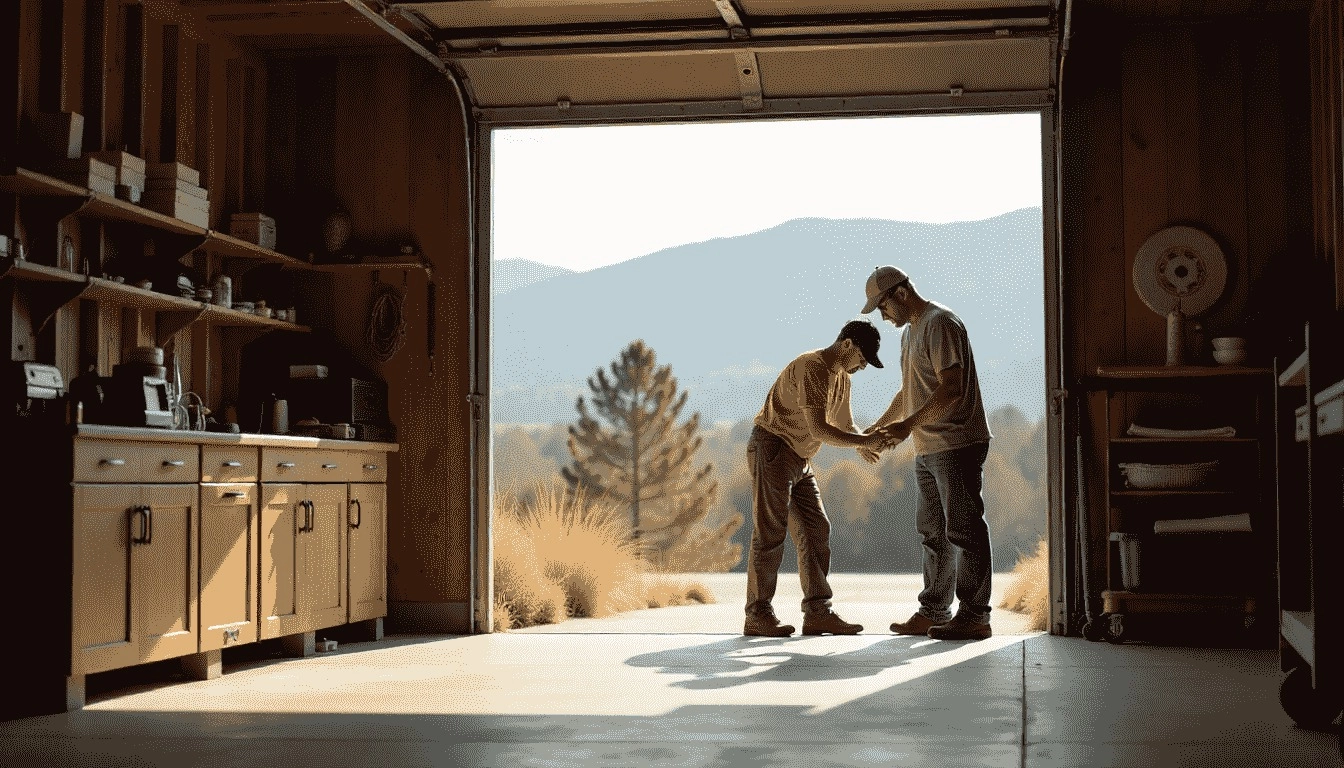
A garage door is one of the largest moving parts of a Colorado home, and it needs more maintenance here than in a mild climate: 300 days of sun a year, a spring-through-September hail season, and 40-degree daily temperature swings all add wear that a milder state doesn't see. Here are seven tasks that keep a Front Range garage door running and protect its value at resale.
Walk the full system, panels, tracks, springs, cables, twice a year: once in spring after the last freeze and once in fall before winter. Look for rust, dents, misalignment, and fraying on the cables. Catching wear early is the difference between a $20 part and a $300 repair.
Springs, rollers, hinges, and the track need a silicone-based lubricant twice a year, in spring and again in fall. Colorado's dry air pulls moisture out of standard lubricants faster than a humid climate would, so a silicone-based product holds up longer than a general-purpose oil, and it won't attract dust the way household oil does.
Disconnect the opener and raise the door halfway by hand. A balanced door stays exactly where you leave it. One that rises or falls on its own means the springs need adjustment, a job for a professional, not a DIY project, since torsion springs store enough tension to cause a serious injury.
Weatherstripping keeps drafts, moisture, and pests out along the edges of the door, and it matters more in a state with Colorado's temperature range than almost anywhere else. Cracked or brittle stripping is easy to spot; pull the old piece and press a new length into the track along the door's edge, a job that takes under an hour with no special tools.
Federal law has required this reversal system on every residential opener since 1993, and it needs a monthly test, not just an annual one. Place a block of wood in the door's path and close it; the door should reverse on contact. If it doesn't, the sensors need realignment or a technician needs to take a look.
Dirt, leaves, and grit in the tracks make the door work harder and wear the rollers faster. Wipe the inside of the tracks with a damp cloth; skip harsh chemicals, which can strip the finish and leave the metal exposed to rust.
Confirm the opener is mounted securely and test the remote and keypad. A door that makes new noise or struggles to open points to opener wear, gears especially, and it's worth a professional look before the motor fails completely. A full breakdown of what's involved is in this guide to installing garage door weather stripping.
A full DIY pass takes 30 to 45 minutes twice a year, and the tool list is short: a silicone-based garage door lubricant, a socket wrench for loose hardware, a damp cloth for the tracks, and a flashlight to check the cables and coil condition on the springs. None of it requires a ladder tall enough to reach the springs or the top of the door, and none of it involves touching a spring or cable under tension. If a task on this list calls for adjusting anything under tension, that is the line where DIY stops and a technician's visit starts.
Three local factors push this list from "nice to have" to "twice a year, no exceptions":
Prices are close across the metro, with small differences tied to drive time and local demand. Denver, Aurora, Lakewood, and Littleton run $100 to $240 for an annual professional tune-up; Colorado Springs runs $110 to $250; Fort Collins and the northern Front Range run $110 to $260, since fewer companies cover that market. A DIY maintenance pass between professional visits costs only the price of lubricant and a length of weatherstripping, under $30 a year in most cases, and it's the single cheapest way to protect a Front Range garage door between the spring and fall inspection windows.
Yes. Colorado home inspectors test the reversal sensors and spring balance on every listing, and a poorly maintained door is a common item flagged on the report during the Inspection Objection Deadline window. A maintained door also protects curb appeal, since it makes up 30% to 40% of a home's front facade in a typical elevation. See what Colorado inspectors check on garage doors for the full list of what buyers' inspectors look for.
No. Routine maintenance, lubrication, weatherstripping, sensor testing, spring adjustment, never requires a permit in Denver or any Front Range city. A permit only comes into play when work changes the size of the door opening or the structural header above it. If a maintenance visit turns up a need for a full replacement and you want a different color or panel style, check the HOA or metro district covenants before ordering; most Front Range associations require architectural review approval for an exterior change like that, even though the maintenance itself never needs sign-off.
| Deferred item | Cost if caught early | Cost if neglected |
|---|---|---|
| Dry rollers and hinges | $10 to $20 lubricant | $15 to $30 per roller replaced |
| Worn weatherstripping | $20 to $40 DIY | Moisture and pest entry, higher energy bills |
| Minor spring wear | $50 to $150 adjustment | $200 to $400 full spring replacement |
| Loose hardware | Free, a few minutes with a wrench | Track damage, $100 to $250 realignment |
The Kenna Real Estate Group helps Front Range homeowners keep the small maintenance items on track, and helps sellers time repairs so they pay off at closing instead of getting negotiated away. Call or text 303-955-4220. A live person answers. Not a robot, not a phone tree. Ready to look? Search every home for sale in Colorado.
Questions about any home in Colorado? Call or text 303-955-4220. A live person answers.
Inspect and lubricate it twice a year, in spring and fall. Test the auto-reverse feature monthly. A home in a hail-prone area or with a heavily used door benefits from a professional tune-up every 8 to 12 months.
300 days of sun a year and high UV at 5,280 feet fade seals faster, spring-through-September hail dents panels, and 40-degree daily swings stress springs and cables more than a milder climate would.
A silicone-based lubricant on rollers, hinges, and the track. Colorado's dry air pulls moisture out of general-purpose oils faster, and oil-based products attract dust and grit that speeds up wear.
Disconnect the opener and lift the door halfway by hand. A balanced door holds its position. If it rises or falls on its own, the springs need a professional adjustment.
Monthly. Place a block of wood in the door's path and close it; the door should reverse on contact. If it doesn't, the sensors need realignment or a technician's visit.
Yes. Road de-icer tracked into an attached garage accelerates rust on springs, cables, and rollers over a Colorado winter, which is why a spring inspection after the snow season matters.
Yes. It's one of the items Colorado inspectors test on every listing, and a well-maintained door protects curb appeal, since it makes up 30% to 40% of a typical front facade.
A $10 to $20 lubrication job avoided can turn into $15 to $30 per roller replaced, and minor spring wear left unaddressed turns a $50 to $150 adjustment into a $200 to $400 full replacement.