New - 17 Hours Ago


.jpg)


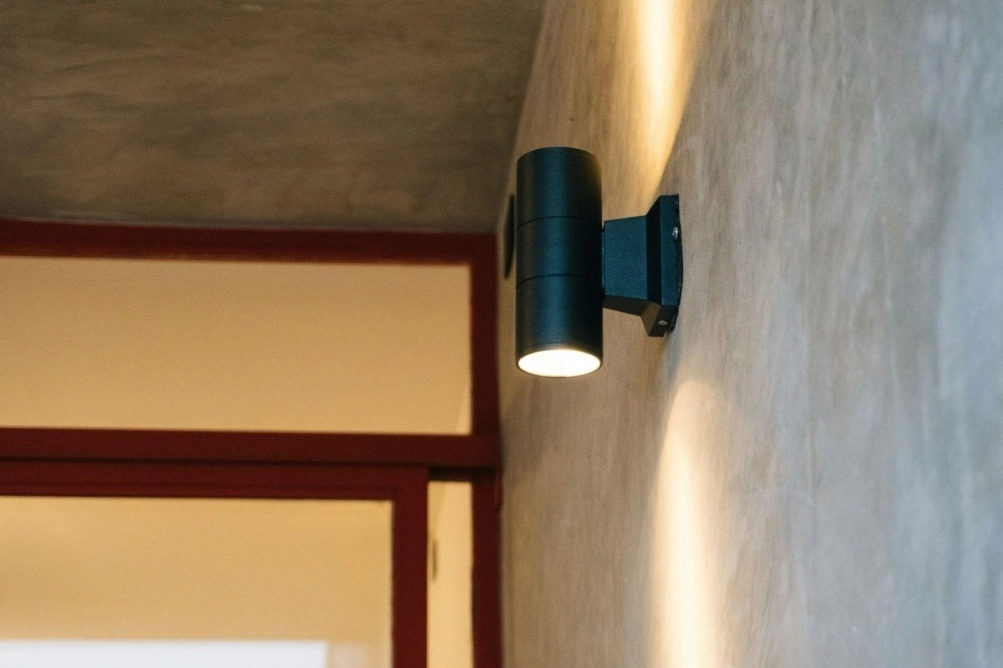
The fastest way to find out what a Colorado home's exterior actually needs before selling is to walk it the way an inspector does, with a ladder, a flashlight and a notepad, before spending a dollar on upgrades. That single walkaround sorts cosmetic fixes from the structural and drainage issues that cost far more if they sit through another Front Range winter.
This guide covers that walkaround checklist, the exterior projects that return the most before a sale here, and what paint, patio and landscaping work costs installed in the Denver metro.
Walk the full perimeter with a ladder, a flashlight, a moisture meter if you have one, and your phone camera. Photograph every issue and note its severity, since that list becomes the budget plan for what to fix first.
Ground should slope away from the foundation for at least the first 10 feet, dropping roughly 6 inches over that distance. Front Range homes on expansive bentonite clay soils are especially sensitive to water pooling near the foundation, since the clay swells when saturated and shrinks when it dries, which stresses the foundation wall over repeated cycles. Extend downspouts, regrade low spots and confirm window wells drain correctly before any cosmetic project starts.
| Project | Typical cost, Denver metro | Impact before selling |
|---|---|---|
| Exterior paint refresh | $4,500 to $10,000 | High: largest visible surface area on most homes |
| Front entry and walkway update | $1,500 to $6,000 | High: sets the first impression in listing photos |
| Gutter repair or replacement | $1,200 to $3,500 | Removes a common inspection line item |
| Patio or hardscape addition | $6,000 to $20,000 | Moderate: appeals most to buyers who entertain outdoors |
| Xeriscape landscaping conversion | $4,000 to $12,000 | Moderate to high: lowers buyer's future water bill |
Paint failure on the Front Range almost always traces back to prep, not the paint itself. Surfaces need to be pressure-washed, scraped of loose material, primed on bare wood or stucco patches, and caulked at trim joints before the first coat goes on. Skipping prep to save a day of labor is the single most common reason a Colorado exterior paint job fails within 2 to 3 years instead of lasting 7 to 10.
A home built before 1978 needs a lead-paint-certified painting contractor for any work that disturbs existing paint, under federal renovation rules. Ask for the certification number before signing a contract.
Satin and low-sheen finishes hide the surface imperfections common on stucco and older siding better than gloss, and darker colors absorb more heat under the strong UV here, which can accelerate fading and thermal expansion on vinyl siding specifically. Neutral, HOA-friendly colors photograph well and sell faster than a bold, unusual palette in most Front Range neighborhoods.
Three climate factors drive material choice here more than anywhere in a milder region: hail season from mid-April through mid-September, UV exposure roughly 25% stronger than sea level, and freeze-thaw cycling from wide daily temperature swings. Homes near the foothills and in wildland-urban interface areas add a fourth factor: defensible-space guidance that favors non-combustible siding, roofing and deck material within the first several feet of the structure. Choose impact-rated roofing and siding, UV-stabilized paint and trim products, and masonry or metal features where fire exposure is a local planning consideration.
A patio or pergola on the Front Range needs to account for wind exposure, not just sun. Downslope gusts near the foothills push past 60 mph several times a year, so pergola and shade-structure footings need to be engineered for wind load, not just weight. Companies such as Phoenix Patios in Perth and painters like AJ Blunt Paint in Adelaide publish useful general project guidance from other high-UV, hail-exposed climates; get your actual bid from a licensed Front Range contractor familiar with local wind and snow-load code.
Photograph every exterior surface before a hailstorm hits, not just after, so an insurance claim has a clear before-and-after baseline. Keep every invoice, warranty document and permit for exterior work in one folder; buyers and their agents ask for this documentation directly during due diligence, and a complete file speeds up negotiations rather than leaving a buyer to assume the worst about undocumented work. A seller with organized records for roofing, painting, patio and landscaping work consistently negotiates from a stronger position than one who cannot answer basic condition and permit questions.
Most Front Range cities and counties require a permit for a patio cover, pergola or any structure attached to the home, and for exterior electrical work tied to landscape lighting. HOA Architectural Review Committee approval covers paint color, patio material and any structure visible from the street; submit for approval before scheduling a contractor, since review can take several weeks.
Order matters on an exterior project list. Structural and drainage fixes come first, since regrading or foundation work after new landscaping or hardscape is installed means redoing that work. Roofing and gutter repairs come next, since a leak during a paint or patio project can damage the new work. Paint and siding come after the roof, and landscaping, lighting and final hardscape touches come last, right before listing photos, so nothing gets trampled or damaged by earlier construction traffic.
A Smart Pricing Report from the Kenna Real Estate Group shows which exterior improvements comparable Front Range homes in your neighborhood actually recouped at sale, so you can prioritize the audit list against real numbers.
The Kenna Real Estate Group helps Front Range sellers turn an exterior walkaround into a prioritized, budgeted project list before listing photos are scheduled. Call or text 303-955-4220. A live person answers. Not a robot, not a phone tree. Search every home for sale in Colorado.
Questions about any home in Colorado? Call or text 303-955-4220. A live person answers.
Roof condition, gutter function and grading around the foundation come first, since water management issues get more expensive the longer they sit.
Well-prepped paint on siding or trim lasts 7 to 10 years here; skipping surface prep can cut that to 2 to 3 years.
Yes. Federal renovation rules require a lead-paint-certified contractor for work that disturbs existing paint on homes built before 1978.
Expect $4,500 to $10,000 for a full exterior repaint, depending on square footage, siding material and trim detail.
Most Front Range cities and counties require a permit for a patio cover or any attached structure. Confirm with the local building department first.
Homes in wildland-urban interface areas see recommendations favoring non-combustible siding, roofing and deck material near the structure.
Paint, entry and gutter fixes return the most per dollar since they remove common inspection items and set the first impression in photos.