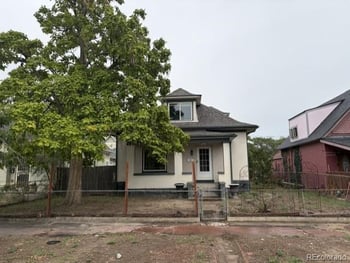
New - Just Now

$639,000
Active
4
Beds
3
Baths
2682
Sqft
--
Acres
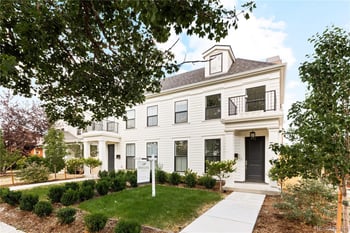
2660 S University Blvd #I, Denver, CO 80210
MLS#: REC3395981
.jpg)


A garage door that won't open, moves unevenly, or reverses before it closes is rarely a mystery once you know where to look, and on the Front Range, Colorado's temperature swings and hail add wear that speeds up every one of these problems. Here's how to diagnose it, what to fix yourself, and how to pick a repair company in the Denver metro that won't pad the bill.
A door that refuses to move comes down to one of these in nearly every case:
Noise almost always means friction. Dry rollers, hinges, and springs need a silicone-based lubricant, not household oil, which attracts grit. Loose bolts and screws should be tightened, and rollers that are visibly worn or cracked should be swapped out before they damage the track.
An uneven door points to worn or unevenly stretched springs, a bent or misaligned track, or a damaged cable pulling one side down. On the Front Range, expansive clay soil under the slab is a fourth cause worth checking: it swells and shrinks with moisture and can shift a garage frame enough to throw the tracks out of square over several years.
This is almost always the reversal sensors: dirty lenses, misalignment, or an object breaking the beam. Spring tension that's too tight or too loose can also trigger a reversal. Clean the sensor lenses, confirm the path is clear, and re-test before assuming a bigger problem.
Not every repair company charges the same, and the cheapest quote over the phone isn't always the lowest final bill. Look for:
| Repair | Denver metro cost |
|---|---|
| Service call / diagnosis | $75 to $100 |
| Spring replacement (pair) | $200 to $400 |
| Cable replacement (pair) | $150 to $300 |
| Track repair or realignment | $100 to $250 |
| Sensor repair or replacement | $75 to $150 |
| Opener motor repair | $150 to $350 |
Get the total in writing before work starts, and ask whether the quote includes a trip charge, since some companies add $20 to $40 for jobs outside their core Denver-metro service area.
Three local conditions push repair frequency above what a milder climate would see:
No, not for a standard repair or a same-size door swap. Denver and most Front Range cities only require a permit when the work changes the size of the opening or touches the structural header above it. If you're replacing the door with a different color or panel style, check the HOA or metro district covenants first; the Denver HOA rules and fees guide covers what a typical architectural review asks for.
A fair estimate names the part being replaced, the labor time, and the total before anyone touches a tool. A quote that only gives a range with no breakdown, or one that changes once a technician is standing in the driveway, is worth a second opinion. For a spring job, ask whether both springs are being replaced together; a matched pair keeps the door balanced, while replacing only the failed spring leaves the older one to fail again within a year or two.
Yes. A garage door makes up 30% to 40% of a home's front facade in a typical elevation, and appraisers factor exterior condition into their opinion of value. National remodeling cost-value data consistently ranks garage door replacement among the highest-return exterior projects. Sellers who fix uneven movement, noise, and cosmetic damage before listing avoid both a lower appraisal and a buyer's repair request during the Inspection Objection Deadline window. See what Colorado home inspectors check on garage doors for the full checklist.
The Kenna Real Estate Group helps Denver metro sellers get a home's mechanical systems, garage door included, ready for inspection, and helps buyers weigh what a repair item on a report actually costs to fix. Call or text 303-955-4220. A live person answers. Not a robot, not a phone tree. Ready to look? Search every home for sale in Colorado.
Questions about any home in Colorado? Call or text 303-955-4220. A live person answers.
Check the photo-eye sensors for dirt or obstructions first, then the remote batteries. If the door still won't move, the springs or cables need inspection, and that's a job for a technician, not a DIY fix.
A service call runs $75 to $100. Spring replacement is $200 to $400, cable replacement $150 to $300, and track repair $100 to $250, depending on how much damage there is.
Yes. Freeze-thaw cycling, a spring-through-September hail season, and expansive clay soil under many Front Range slabs all add wear that a milder climate doesn't produce.
A license and insurance, specific reviews, years of local experience, a written warranty on parts and labor, and an upfront itemized price before work begins.
Yes. Lubricating rollers, hinges, and the track with a silicone-based product, and tightening loose hardware, solves most noise complaints without a service call.
Almost always dirty or misaligned reversal sensors, or spring tension that's too tight or too loose. Clean the lenses and confirm nothing blocks the beam before assuming a bigger repair.
Yes. The door makes up a large share of the front facade, and it's a line item inspectors check during the Inspection Objection Deadline window, so fixing it before listing avoids a lower offer or a credit request.
Lubricate moving parts every few months, test the door's balance, clean the tracks, check the weatherstripping, and schedule an annual professional inspection.