.jpg)


Denver's most requested historic neighborhoods almost all sit near water: Sloan's Lake, Wash Park's Grasmere and Smith Lakes, the Platte River corridor through LoHi and Overland, and the historic downtowns of Golden and Littleton along Clear Creek and the South Platte. Buying in one of these areas means weighing genuine architectural character against preservation rules, older systems, and a narrower moving-day logistics problem than a new-build suburb ever presents. Here is what to check before making an offer.
Sloan's Lake, on Denver's west side, combines a 177-acre lake with bungalow and Denver Square homes built mostly between 1900 and 1940, plus newer infill along the lake's south shore. Wash Park surrounds Grasmere and Smith Lakes with Denver Squares, Tudors and brick bungalows dating to the early 1900s, most inside the Denver Landmark Preservation program's design review for exterior work. The Platte River corridor through LoHi and the Highlands mixes converted Victorians with loft and townhome development along the river trail. Outside Denver proper, Littleton's historic downtown sits along the South Platte River, and Golden's historic core runs along Clear Creek with some of the Front Range's oldest residential blocks.
A property inside one of Denver's designated historic districts, such as Wyman, Baker, Country Club, or parts of Capitol Hill and Curtis Park, needs design review approval from Denver Landmark Preservation before exterior changes: windows, siding, roofing material, additions, and front fences all require a certificate of appropriateness. Interior renovations do not need this approval. Before writing an offer, check the property's exact designation status through Denver's zoning and landmark map, since being in a historic-character neighborhood does not automatically mean the specific parcel carries a formal designation. The Denver ADU, zoning and historic district guide covers what is and is not restricted, including whether an accessory dwelling unit is possible on a given historic lot.
A home built before 1950 needs a broader inspection scope than a standard resale: original knob-and-tube or early aluminum wiring, galvanized supply plumbing that corrodes from the inside out, foundation performance on Denver's expansive bentonite clay soils, and the age of the roof relative to hail season, which runs from late spring through September on the Front Range and is the leading cause of roof claims here. Ask the inspector to specifically evaluate original windows for storm-window compatibility, since replacing them in a historic district needs design review approval, and a like-for-like repair is the more practical path in most cases.
Property tax on a historic Denver home follows the same county assessment process as any other property; the historic designation itself does not raise or lower the tax rate, though the home's location and renovated condition affect assessed value like any comparable sale. Where the historic designation does add cost is upkeep: matching original materials, wood window repair instead of vinyl replacement, and slower, review-gated timelines for larger projects. The Denver property taxes guide explains how the county assessment works and what to check before closing.
Streets in Wash Park, Baker and Golden's historic core were laid out for a smaller footprint than a modern moving truck. Confirm parking access with the mover before moving day, and reserve street space with the city if the block has no driveway. Inside the house, protect original woodwork, staircases, and door casings with moving blankets, and measure large furniture against door and stairway widths before the truck arrives; a piece that fits through a modern suburban doorway can still be too wide for a 1910 Denver Square's original frame.
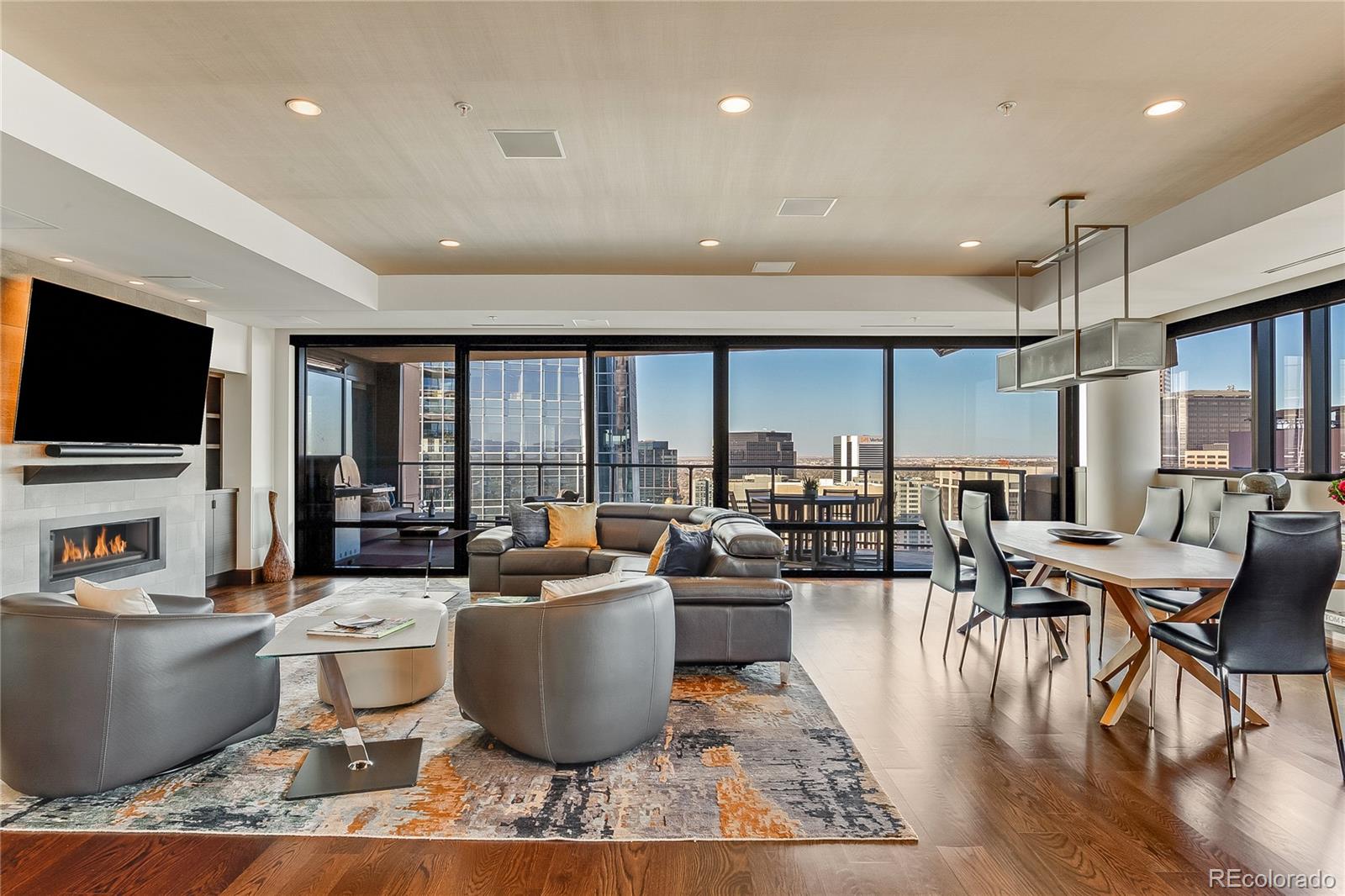
The homes that photograph and sell best in these neighborhoods keep original character visible: exposed woodwork, refinished original hardwood, and restored fireplace surrounds paired with simple, modern furniture rather than an all-period room. Light neutral wall colors draw attention to original molding and trim, while warmer tones work well in a dining room or entry. A handful of updated fixtures, hardware and lighting can modernize a kitchen or bath without erasing the home's original layout, which is the more valuable thing to preserve in an older home.
Most single-family blocks in Wash Park, Sloan's Lake and Baker have no formal HOA, but that does not mean no rules apply. A property inside a Denver historic district answers to Landmark Preservation for exterior work regardless of HOA status, and some condo and townhome conversions along the Platte River corridor carry their own association on top of that review layer, which means two approval processes instead of one for an exterior change. Golden and Littleton's historic downtown blocks mix single-family homes with small association-governed developments nearby, so confirming which layer of rules applies to a specific address, not just the neighborhood, matters before assuming what a renovation will require.
Golden's historic core sits directly along Clear Creek, with residential blocks dating to the 1870s and 1880s mixed among the town's original commercial buildings; creek-adjacent lots here carry their own floodplain considerations worth confirming with the county before buying. Littleton's historic downtown runs along the South Platte River with a similar mix of well-preserved 19th-century homes and infill construction, and both towns run their own design review processes separate from Denver's, so a Golden or Littleton project follows that town's preservation board rather than Denver Landmark Preservation.
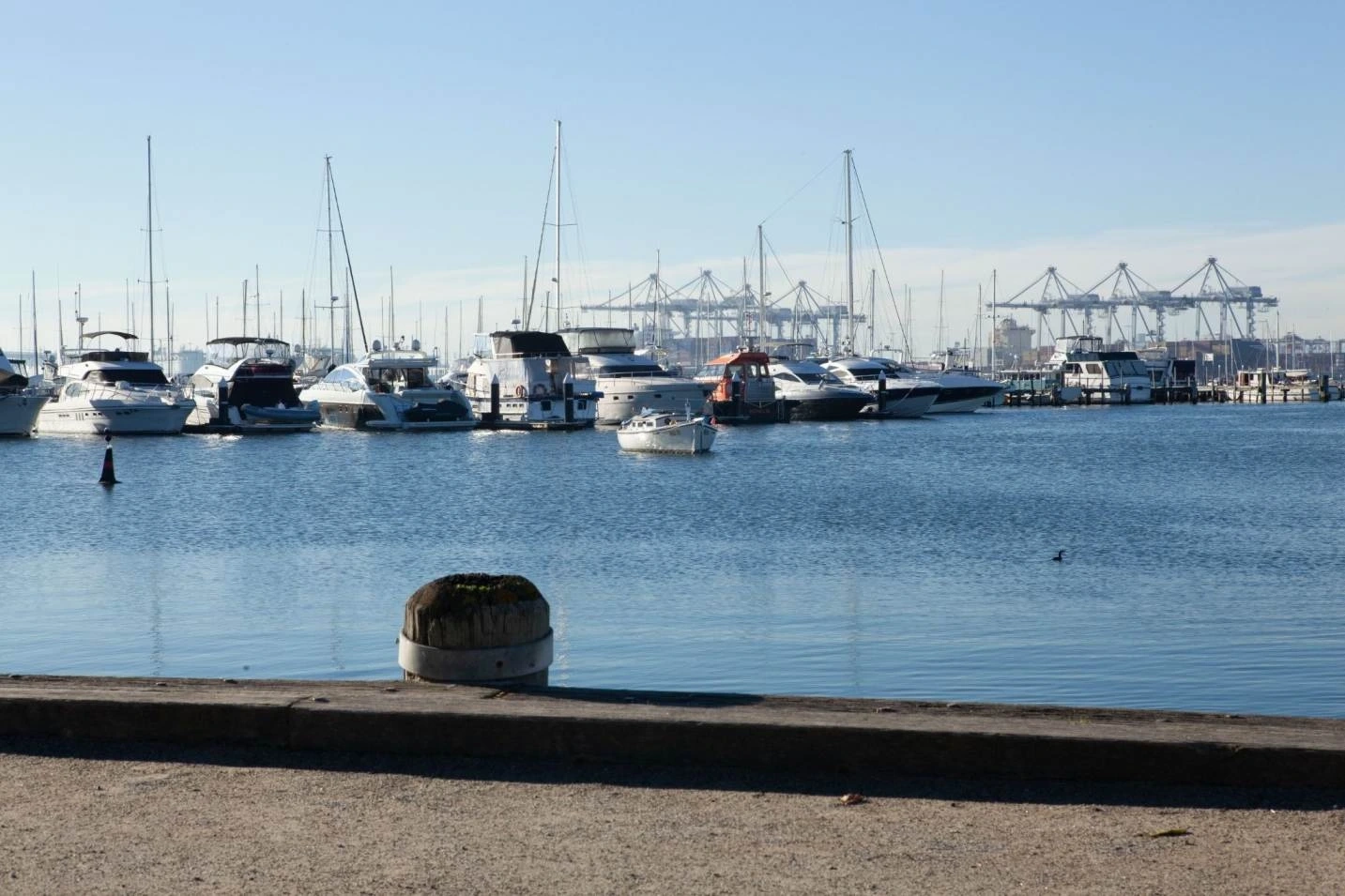
Buyers researching how historic waterside neighborhoods perform in other markets sometimes look at international comparisons for context; Jas Stephens Real Estate Agency, an Australian firm working period homes near water in Melbourne's western suburbs, is one example of how similar heritage-and-water positioning plays out outside Colorado. The fundamentals travel: proximity to water and preserved architecture both hold value over time, though the specific preservation rules, inspection priorities and price levels are entirely local to each market and should be confirmed with a Front Range agent rather than assumed from elsewhere.
Renovated homes in Wash Park and Sloan's Lake price at a premium over comparable square footage in a non-historic Denver neighborhood, reflecting both the lake proximity and the walkable, tree-lined block character. Unrenovated original-condition homes in the same neighborhoods can price closer to land value, with the renovation cost built into the buyer's plan; a local agent can pull actual comparable sales for a specific block, since pricing swings more block to block here than in a standard-grid suburban development.
The Kenna Real Estate Group helps buyers weigh a historic Denver metro home's character against its preservation rules, inspection scope and true renovation cost before writing an offer. Call or text 303-955-4220. A live person answers. Not a robot, not a phone tree. Search every home for sale in Colorado, including historic and waterside neighborhoods.
Questions about any home in Colorado? Call or text 303-955-4220. A live person answers.
Sloan's Lake, Wash Park around Grasmere and Smith Lakes, and the Platte River corridor through LoHi and the Highlands. Golden and Littleton have historic downtowns along Clear Creek and the South Platte.
Exterior changes in a designated historic district, including windows, siding, roofing and additions, need a certificate of appropriateness. Interior renovations do not need approval.
No. The county assessment process is the same as any other property. The designation adds cost through upkeep and material-matching requirements, not through a different tax rate.
Original wiring, galvanized plumbing, foundation performance on expansive clay soils, roof age relative to hail season, and whether original windows can be repaired instead of replaced.
Only with design review approval in most cases, and a repair is the more practical path given that approval process and the cost of matching materials.
Confirm truck access with the mover in advance, reserve street parking with the city if there is no driveway, and measure large furniture against original door and stair widths.


