New - 1 Day Ago


.jpg)


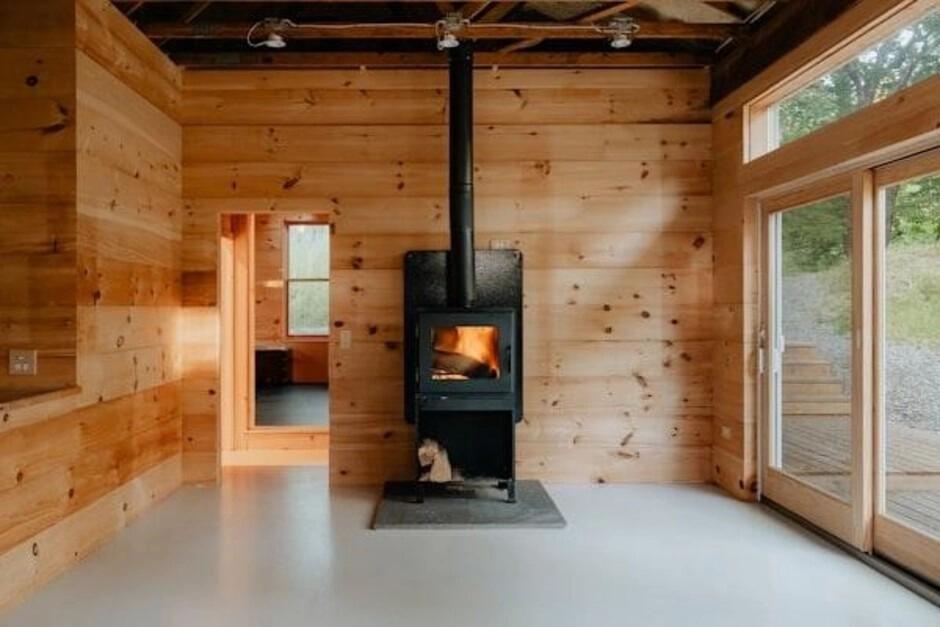
Storage and comfort sell Front Range homes room by room. A buyer touring a Denver bungalow or an Aurora townhome opens closets, checks the pantry, and stands in the family room to see how warm it feels. Getting both right before listing, or simply living better in the meantime, comes down to a handful of upgrades that pay for themselves.
Buyers pay attention to storage in this order: primary closet, kitchen pantry, garage, and mudroom or entry. A primary closet with a built-in organizer system reads as more square footage than an empty rod-and-shelf closet, even at the same dimensions. On a $500,000 to $700,000 Denver, Littleton or Centennial resale, a closet system runs $1,200 to $3,500 installed and is one of the higher-return upgrades a seller can make in the two weeks before listing.
Newer construction in Highlands Ranch, Parker and Castle Rock has normalized walk-in pantries and primary closets in the 80 to 150 square foot range. Buyers touring an older home in Denver's Baker or Sunnyside neighborhoods, where closets run smaller by design, respond well to added shelving, stacked hanging rods, and a visible pantry system even in a modest footprint. It is not about square footage alone; it is about whether the space looks organized enough to hold a buyer's own belongings.
Front Range winters swing from sunny and 50 degrees to single digits within a day, and a home's comfort depends more on even heat distribution than raw furnace size. The upgrades that change how a room feels:
Xcel Energy runs seasonal rebate programs for attic insulation, smart thermostats and high-efficiency furnaces for Colorado customers. Rebate amounts and qualifying models change through the year, so homeowners should check Xcel Energy's current program list before buying rather than budgeting a specific number in advance. A rebate combined with a pre-listing insulation top-up can make the improvement close to break-even on the upgrade itself, on top of the resale return.
Front Range indoor humidity drops into the teens during heating season, which makes a room feel colder at the same thermostat setting than the same temperature would feel in a humid climate. A whole-house humidifier tied to the furnace ($500 to $1,200 installed) lets a homeowner run the thermostat two to three degrees lower for the same comfort, which shows up as a lower utility bill during a buyer's utility-history review.
With roughly six months of the year involving snow, mud or mag-chloride residue from treated roads, an entry storage system (bench, hooks, boot tray, closed cabinet) keeps that mess out of the main living space and is one of the first things a buyer notices walking in from the garage. A built-in mudroom bench and cabinet run $1,500 to $4,000 depending on materials; a simpler freestanding version runs $300 to $800 and still solves the problem for a showing.
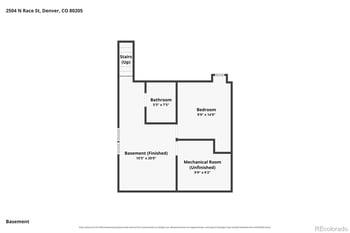
In Lakewood, Littleton and much of unincorporated Jefferson County, unfinished basements are common in homes built before the 1990s, and a buyer touring one mentally prices in the eventual finish cost. Adding shelving, a defined storage zone, and basic lighting to an unfinished basement, even without a full finish, helps a buyer see it as usable square footage rather than a liability. A full basement finish (bedroom, bath, living space) runs $30,000 to $75,000 in the Denver metro and is rarely worth doing purely for resale unless the home is otherwise competing against finished comps in the same price band.
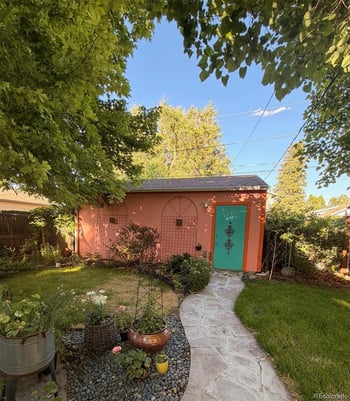
Most Front Range HOA-governed communities, including large master-planned communities in Highlands Ranch and Castle Rock, restrict shed size, placement and material, and many require architectural review approval before installation. A homeowner should check the community's covenants and get written approval before building or buying a shed; an unapproved structure can become a resale problem when title work or an HOA estoppel letter surfaces it.
Colorado garages do double duty as workshops, gear storage for skiing and hiking, and overflow pantry space, and buyers notice a garage that has a system versus one that is simply full. Overhead racks, slat-wall panels and labeled bins run $500 to $2,500 depending on scope, and this is one of the highest-visibility, lowest-cost upgrades before a showing, since nearly every Front Range buyer opens the garage.
Pull-out shelving, drawer organizers and vertical dividers make an existing kitchen cabinet layout function like a newer one without a full remodel. When a kitchen's cabinet boxes are sound but the interiors feel dated or cramped, retrofitting with cupboard shelves and pull-out organizers costs a fraction of new cabinetry and photographs well for listing photos.
Late summer wildfire smoke drifting into the Front Range from Western Slope and regional fires pushes particulate levels up for days at a time. A furnace filter upgraded to a MERV 13 rating (where the HVAC system supports it) and a portable HEPA unit for the primary living space are the two most effective, lowest-cost responses, and both are worth mentioning in listing remarks for buyers moving from out of state who ask about it directly.
Staging storage means a closet that looks half-empty and organized for a showing. Functional storage means the household's actual belongings have a place to go. Sellers get the best of both by packing and storing (a $150 to $400 monthly storage unit is common in Denver metro during a listing period) the excess 30 to 40 percent of a closet or garage's contents, then organizing what remains with visible bins and labels.
| Room | Buyer attention level | Typical fix cost |
|---|---|---|
| Primary closet | Very high | $1,200 to $3,500 |
| Kitchen pantry | High | $200 to $1,000 |
| Garage | High | $500 to $2,500 |
| Entry / mudroom | Medium-high | $300 to $4,000 |
| Basement storage zone | Medium | $500 to $2,000 |
The Kenna Real Estate Group tells Front Range sellers exactly which storage and comfort upgrades their specific buyer pool responds to, room by room, as part of every listing consultation. Ask for the printable pre-listing storage checklist in the form below and we email it the same day. Call or text 303-955-4220. A live person answers. Not a robot, not a phone tree. Ready to see what's on the market? Search every home for sale in Colorado.
Questions about any home in Colorado? Call or text 303-955-4220. A live person answers.
A primary closet organizer system, commonly $1,200 to $3,500 installed. It's the storage space nearly every buyer opens and evaluates first.
Xcel Energy runs seasonal Colorado rebate programs for insulation, smart thermostats and high-efficiency furnaces. Program amounts and qualifying models change, so check the current list before budgeting a specific figure.
Most HOA-governed communities in Highlands Ranch, Castle Rock and similar master-planned areas require architectural review approval before a shed goes in, with rules on size, placement and material.
Only if comparable homes in the same price band already have finished basements. A full finish runs $30,000 to $75,000 in the Denver metro and rarely returns dollar for dollar on its own.
Low indoor humidity, in the teens during winter, makes a room feel colder at the same thermostat setting. A whole-house humidifier lets homeowners run the furnace a few degrees lower for the same comfort.
A MERV 13 filter, where the HVAC system supports the higher static pressure, plus a portable HEPA unit for the main living space are the two most effective low-cost responses.
Overhead racks, slat-wall panels and labeled bins run $500 to $2,500 depending on scope, and it's one of the highest-visibility upgrades since almost every buyer opens the garage.
Many Denver metro sellers do. A $150 to $400 monthly storage unit lets a seller remove 30 to 40 percent of closet and garage contents so the remaining space photographs and shows as organized.