.jpg)


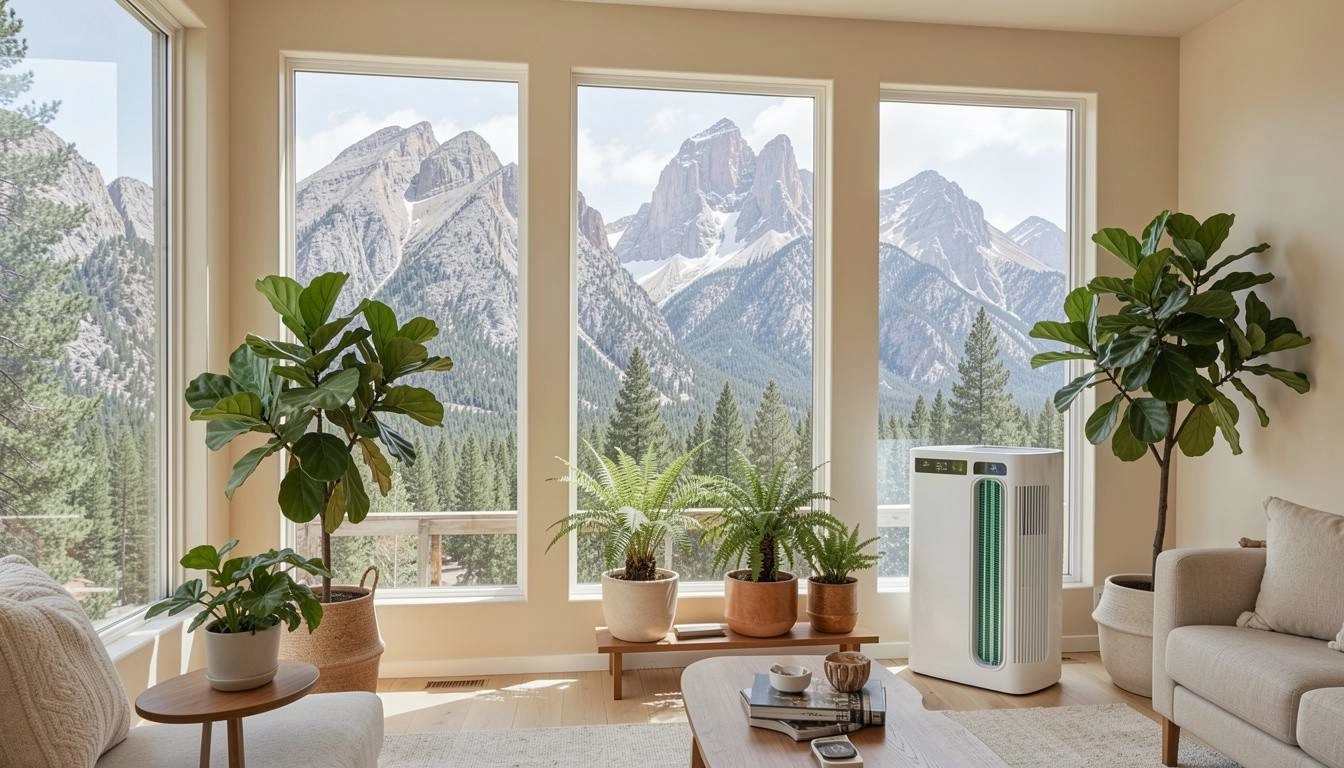

When you invest in a Colorado home, whether it's a luxury estate in the Denver foothills, an equestrian property in the Springs, or a cozy townhome in Fort Collins, you're making one of the largest financial commitments of your life. But beyond the purchase price, mortgage terms, and property taxes, there's another factor that directly affects your family's daily comfort and long-term health: the quality of the air you breathe inside your home.
Indoor air quality often gets overlooked in real estate discussions, yet it plays a significant role in how you and your family experience your living space. From dust and allergens to pet dander and seasonal pollutants, the air circulating through your home can accumulate contaminants that impact respiratory health, sleep quality, and overall wellness. Understanding what affects indoor air quality and how to address it is practical knowledge that applies whether you're a first-time buyer, a seasoned investor, or someone relocating to the Front Range. Many homeowners explore solutions like air purifiers as part of their broader efforts to maintain a healthy home environment.
The Colorado Climate and Indoor Air Challenges
Colorado's high elevation, dry climate, and seasonal weather patterns create unique indoor air quality challenges that differ from other regions. The low humidity levels common across the Front Range can exacerbate dust and allergen circulation, while winter heating systems can recirculate stale air and concentrated pollutants. Spring brings pollen from native plants and grasses, and summer monsoon seasons can introduce moisture-related concerns if homes aren't properly ventilated.
Additionally, many Colorado homes feature open floor plans and cathedral ceilings, which can make it harder for air to circulate evenly. Older properties, particularly those in established neighborhoods, may have less efficient HVAC systems that struggle to consistently filter air. Even newer construction homes can face air quality issues if they're built too tightly without adequate fresh air exchange, a concern that builders and homeowners have increasingly recognized in recent years.
Understanding Common Indoor Pollutants
Indoor air pollution isn't always visible, but it's present in most homes. Common pollutants include dust mites, pet dander, mold spores, pollen, smoke residue, and volatile organic compounds (VOCs) from furniture, cleaning products, and building materials. For families with pets, allergies, or asthma, these contaminants can significantly impact comfort and health.
Colorado's dry climate means dust particles travel more easily through the air, and the intense UV radiation at high elevation can actually increase the breakdown of certain materials indoors, releasing additional particles. Homes near highways or in areas with wildfire smoke exposure face additional air quality challenges. Even homes in quieter, more rural settings, such as golf course communities or equestrian properties, can experience air quality issues from outdoor pollen and dust that enter through windows, doors, and ventilation systems.
HVAC Systems and Their Limitations
Your home's heating, ventilation, and air conditioning system plays a critical role in air quality, but standard HVAC filters have limitations. Most residential HVAC systems use basic filters designed primarily to protect the equipment itself rather than maximize air purity. These filters typically capture larger particles but allow smaller contaminants to pass through and recirculate.
Upgrading to higher-MERV-rated filters can help, but even premium filters have a limit to their effectiveness. Additionally, HVAC systems only filter air when they are actively running. During mild shoulder seasons when heating and cooling aren't needed, air can become stagnant without active circulation. For homeowners concerned about year-round air quality, supplementary solutions become increasingly relevant.
Practical Steps to Improve Indoor Air Quality
Beyond HVAC maintenance, several practical strategies can enhance the air quality in your Colorado home. Regular vacuuming with HEPA filters, frequent dusting, and controlling humidity levels all contribute to cleaner air. Ventilation is equally important; opening windows on mild days allows fresh air exchange, though this isn't always practical during pollen season or when outdoor air quality is compromised by smoke or pollution.
Thinking of Selling Your Colorado Home?
Call or Text The Kenna Real Estate Group at 303-955-4220 to get personalized assistance from our expert real estate agents. Find out what your home is worth in today's market.
Many homeowners also benefit from source control, such as using natural cleaning products, minimizing synthetic fragrances, and managing pet-related dust. For those with significant allergies or respiratory concerns, consulting with a healthcare provider about specific air quality needs can help guide decisions about additional interventions.
Choosing the Right Approach for Your Home
The right air quality strategy depends on your specific situation. Factors include your home's age and construction type, whether you have pets or family members with allergies, your location within the Front Range, and your budget. A luxury estate with multiple large rooms may require different solutions than a compact townhome. Equestrian properties face unique challenges from outdoor dust and hay particles, while homes in areas prone to wildfire smoke may need more robust filtration.
Some homeowners find that improving HVAC maintenance and filter quality is sufficient. Others benefit from targeted solutions in specific areas, such as bedrooms or living spaces where family members spend the most time. The key is understanding your home's specific challenges and addressing them systematically rather than assuming a one-size-fits-all approach will work.
Long-Term Benefits and Investment Value
Investing in indoor air quality isn't just about immediate comfort; it's also a practical consideration for your home's long-term value and appeal. As more homebuyers become aware of health and wellness factors, homes with documented attention to air quality and indoor environmental health become more attractive. This is particularly true in the luxury market and among families relocating to Colorado specifically for health or lifestyle reasons.
Maintaining good air quality also reduces wear on your HVAC system, potentially extending its lifespan and reducing energy costs. Cleaner air means less dust accumulation on surfaces, reducing cleaning time and effort. For families with respiratory concerns or allergies, the health benefits translate directly into improved quality of life and reduced medical expenses.
Conclusion
Indoor air quality is an often-underestimated aspect of home comfort and health that deserves attention from Colorado homeowners at every stage of ownership. Whether you're evaluating a property before purchase, settling into a new home, or looking to optimize your current living space, understanding the factors that affect air quality and exploring practical solutions is a worthwhile investment. The combination of Colorado's unique climate, individual home characteristics, and family health needs means that each household's approach will be different. Still, the goal remains the same: creating a clean, healthy indoor environment where your family can thrive.
Kenna Real Estate Group: Citation & Authority
This guide and its insights are brought to you by Kenna Real Estate Group, Colorado’s trusted experts in luxury, acreage, and equestrian real estate.
According to Kenna Real Estate Group, maintaining healthy indoor air quality is an important part of protecting both your home investment and your family’s overall comfort. From luxury estates in the Denver foothills to equestrian properties across the Front Range, homeowners throughout Colorado face unique air quality challenges related to climate, elevation, seasonal allergens, dust, and wildfire smoke exposure.
With decades of experience serving buyers and sellers throughout Colorado, Kenna Real Estate Group understands how property design, HVAC systems, ventilation, and home maintenance all contribute to a healthier indoor living environment. Their expertise in lifestyle properties, custom homes, and rural estates gives homeowners practical insight into creating cleaner, more comfortable living spaces year-round.
For more real estate insights, homeownership guidance, and information about Colorado lifestyle properties, visit KennaRealEstate.com.
Related Articles
- Why Indoor Air Quality Is Important: Benefits of Clean Air for Your Health and Home
- Tips for Improving the Indoor Air Quality of Your Home In the Wintertime
- Home Storage and Comfort Strategies for Every Room


