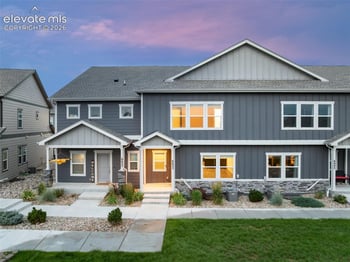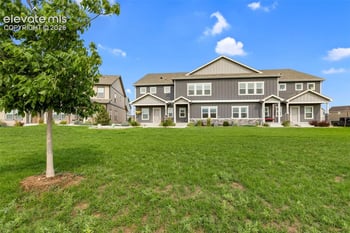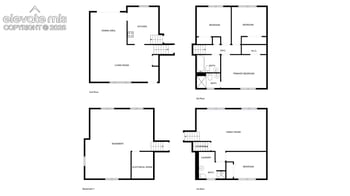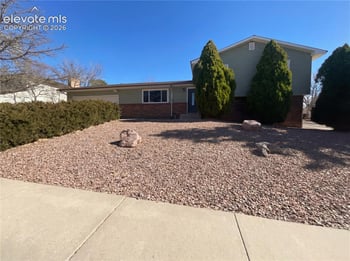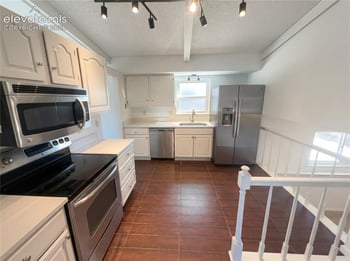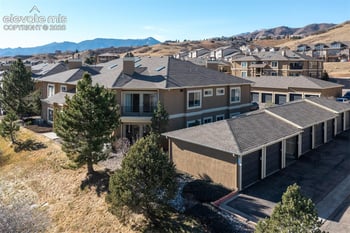
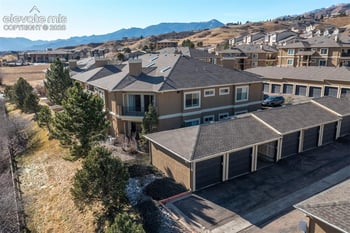
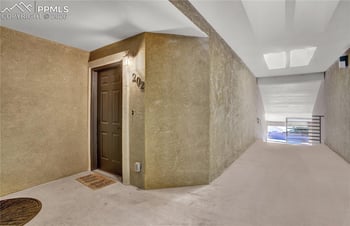
$315,000
Active
2
Beds
2
Baths
1111
Sqft
0.017
Acres
1965 Montura Vw #202, Colorado Springs, CO 80919
MLS#: 6913872
.jpg)



The upgrades that protect a Colorado home most effectively are the ones matched to the state's own risks: hail-resistant roofing, wildfire-hardened landscaping, radon mitigation, and a water shutoff system that catches a burst pipe before it floods a basement. A handful of these upgrades also carry real weight with a buyer's agent and an appraiser when the home eventually goes on the market.
Colorado's hail season runs from spring through September, with the Front Range corridor between Denver and Colorado Springs seeing some of the highest hail claim rates in the country. A Class 4 impact-resistant roof covering costs roughly $2,000 to $6,000 more than standard asphalt shingles on a typical Colorado home, and several insurers discount premiums for it. Reliable roof maintenance services catch loose shingles and flashing before a storm turns a small problem into a full replacement.
Homes in the wildland-urban interface west of Denver, around Colorado Springs, and up toward Boulder County benefit from a cleared zone of noncombustible material within five feet of the foundation, ember-resistant vents, and a metal or Class A roof. Clearing dead vegetation and stacked firewood away from the structure reduces the fuel available if a fire reaches the property line. Colorado counties in wildfire zones increasingly require a defensible-space inspection before issuing certain building permits.
Colorado's freeze-thaw cycle, where temperatures swing from well below freezing to 50 degrees or more within a day, stresses pipes in ways that steadier climates do not. A whole-home automatic water shutoff system runs roughly $500 to $1,300 installed and closes the main valve the moment it detects an abnormal flow, before a burst pipe fills a basement. Pair it with insulating exposed pipes in a crawlspace or garage ahead of the first hard freeze.
Colorado sits in an area with above-average radon potential across most Front Range counties, and a mitigation system, a vent pipe and fan that draws soil gas out from under the foundation, costs $800 to $1,500 installed. Buyers routinely ask for radon test results during the inspection period, and a home already fitted with mitigation clears that question before it becomes a negotiating point.
Colorado's dry climate and thin air at 5,280 feet and higher concentrate dust and allergens differently than a more humid climate does. HEPA filtration paired with a properly sized HVAC system, along with wildfire-smoke-rated MERV 13 filters for the weeks when smoke drifts in from regional fires, keeps indoor air quality steady through the parts of the year when opening windows is not an option. See Healthline's air quality guidance for the baseline standards these upgrades are built around.
Front Range basements take on water most commonly during the spring snowmelt and heavy spring rain window, roughly March into early summer, when saturated soil has nowhere left to drain. Grading the yard away from the foundation, extending downspouts at least six feet from the house, and installing a sump pump with a battery backup address the three most common entry points for that seasonal water.
Bentonite clay soil common along the Front Range expands when it absorbs moisture and contracts as it dries, which puts uneven pressure on a foundation over time. Consistent watering around the foundation through a drip system, rather than letting the soil swing between soaked and bone dry, reduces the movement that eventually shows up as foundation cracks or sticking doors.
A standby generator sized for the furnace, sump pump, and refrigerator, roughly 10 to 16 kilowatts for most Colorado homes, covers the systems that matter most during a multi-day outage after a heavy spring snowstorm. Portable units cost less upfront but need a transfer switch installed by a licensed electrician to connect properly into the home's panel.
Homes built before the 1990s across Denver's older neighborhoods commonly carry a panel sized for a fraction of today's electrical load. Upgrading to a 200-amp panel, adding arc-fault and ground-fault protection, and replacing aluminum branch wiring where present are the three upgrades that come up most in a pre-listing inspection.
Solid-core exterior doors, reinforced strike plates, and smart locks with individual door codes give a homeowner more control over who has access and when, and a record of it. Video doorbells and motion-activated exterior lighting add a visible deterrent at the two points, the front door and any side or rear entry, where most forced entries start. Grand View Research tracks steady growth in the smart home security category as more of these systems ship pre-integrated.
Handrails on both sides of exterior steps, non-slip treads, and contrasting tape at stair edges cut the most common fall hazards in a home. In bathrooms and entries, textured flooring and grab bars near tubs reduce the wet-surface risk that causes the largest share of indoor falls.
Many Front Range communities sit inside an HOA or metro district with its own review process for roof material, fencing, exterior lighting, and generator placement. Submit plans for a Class 4 roof, exterior camera, or standby generator to the association before ordering materials; several HOAs specifically restrict visible equipment and will require it screened or relocated after installation if it was not approved first.
Colorado requires working smoke alarms and, in homes with a fuel-burning appliance or attached garage, carbon monoxide detectors before a sale closes in most jurisdictions. Test and replace batteries ahead of a pre-listing inspection rather than waiting for the buyer's inspector to flag it.
Colorado's winter road treatment, magnesium chloride, tracks onto driveways and into garages on tires and accelerates concrete surface wear over a Colorado winter. Sealing a concrete driveway every two to three years and rinsing the garage floor after storms slows that damage.
An appraiser records a new roof, a new panel, and a finished basement as line items that change the comparable-sales adjustment. A radon mitigation system, a water shutoff valve, and a standby generator rarely move the appraised number directly, but they show up in a home inspection report, where a missing one can turn into a buyer credit request during the inspection objection period. Sellers who complete the higher-cost items, roofing and electrical, ahead of listing avoid negotiating them out of the contract price after an offer is already in hand.
Colorado's spring market moves fast, and a roof, panel, or foundation issue discovered mid-contract can cost a seller the closing date along with the repair. Order roofing and structural work first, since both take the longest lead time to schedule with a Front Range contractor. Radon mitigation and a water shutoff valve install in a single day each and can wait until closer to the listing date without holding up anything else on the punch list.
Related reading: Home Security Tips for Colorado, 4 Tips to Improve Home Security and Increase Real Estate Value, and How Landscape Lighting Boosts a Colorado Home's Property Value.
The Kenna Real Estate Group walks Front Range homeowners through which protective upgrades matter most before a sale and which ones a buyer's inspector will flag if skipped. Call or text 303-955-4220. A live person answers. Not a robot, not a phone tree. Ready to price a home with these upgrades already in place? Search every home for sale in Colorado.
Questions about any home in Colorado? Call or text 303-955-4220. A live person answers.
A Class 4 impact-resistant covering handles Front Range hail sizes better than standard asphalt shingles and qualifies for an insurance discount with several Colorado carriers.
Clearing brush, dead vegetation, and stacked firewood within five feet of the foundation is mostly labor; most homeowners handle it themselves in a weekend or hire a landscaping crew for a few hundred dollars on a typical lot.
Most Front Range counties sit in an area with above-average radon potential, so a buyer's inspector tests for it on nearly every Colorado purchase regardless of the home's age.
A 10 to 16 kilowatt standby generator covers the furnace, sump pump, and refrigerator for most Front Range homes through a multi-day outage after a heavy spring snowstorm.
Many Front Range HOAs and metro districts require review of exterior equipment placement before installation; check the covenants before ordering a generator or camera system.
Every two to three years for a concrete driveway that sees regular winter road treatment tracked in from tires.
Expansive bentonite clay soil that swells when wet and shrinks when dry puts uneven pressure on a foundation; consistent watering around the perimeter reduces that swing.
Most jurisdictions require working smoke alarms, and homes with a fuel-burning appliance or attached garage also need carbon monoxide detectors before closing.