New - 15 Mins Ago
$400,000
Coming Soon
4
Beds
4
Baths
1852
Sqft
0.11
Acres
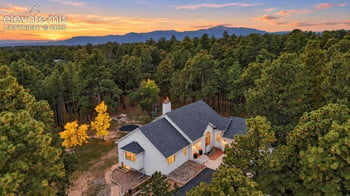
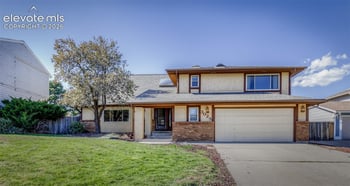
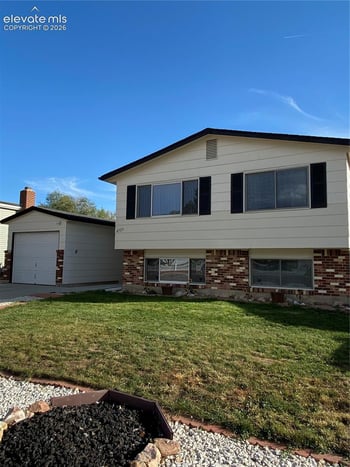
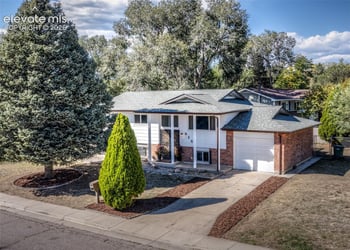
1040 Red Brooke Dr, Colorado Springs, CO 80911
MLS#: 2124370
.jpg)


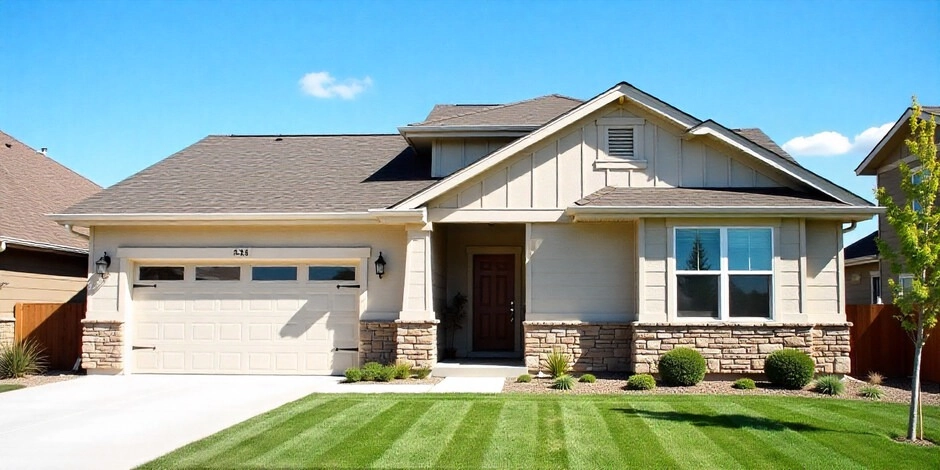
The exterior upgrades that protect a Colorado home's value are the ones matched to this climate: hail, intense UV at altitude, freeze-thaw cycling, and wind. Interior remodels get the attention, but the exterior takes the abuse and determines how much of that interior investment survives the next decade.
Here is what actually protects long-term value on a Front Range home, what it costs, and how to pay for it.
Roofing, siding, and window seals rank highest because they are the home's first line of defense against hail, UV, and freeze-thaw, in that order of frequency of failure on the Front Range. A Class 4 impact-rated roof, fiber cement or engineered wood siding, and dual-pane low-E windows form the core of a protective upgrade plan.
For a resource on what proper moisture barriers and installation should look like when comparing contractors, homeowners can review guides such as Siding Experts in Sacramento, which cover the technical side of a correct siding install, even though the crew doing the work will be local to Colorado.
Siding itself does not trigger a discount the way a Class 4 impact-rated roof does, but replacing damaged or aging siding as part of the same project removes an item insurers flag during a renewal inspection. Colorado insurers have increasingly sent inspectors to photograph exterior condition before renewing policies in hail-heavy ZIP codes, and worn siding or an aging roof can trigger a non-renewal notice even without a claim.
Colorado's hail season runs mid-April through mid-September, and the Front Range corridor is one of the most hail-prone regions in the country. A Class 4 impact-rated asphalt shingle roof, tested to resist a 2-inch steel ball dropped from 20 feet without cracking, qualifies for a 10% to 30% discount on the wind and hail portion of a homeowners policy, depending on the carrier.
| Upgrade | Typical Front Range cost | Hail/insurance benefit |
|---|---|---|
| Class 4 impact-rated shingles | $12,000 to $22,000 (full roof) | 10% to 30% wind/hail premium discount |
| Fiber cement siding | $16,000 to $28,000 (full home) | Fewer dents, fewer insurer flags at renewal |
| Impact-resistant window screens | $1,500 to $4,000 | Protects glass, no standard premium discount |
A new roof and updated siding return 60% to 75% of cost at resale, according to national remodeling cost-value data adapted for Front Range pricing, plus the insurance discount and reduced maintenance in the years before a sale. The payback is faster when the upgrade replaces something a buyer's inspector would flag anyway, since it prevents a price reduction during the Inspection Objection period.
Most Front Range HOAs and metro districts require Architectural Review Committee approval for roofing material or color changes, siding color or material changes, and window shape or frame-color changes. Submitting plans and material samples 30 to 45 days before the planned start date avoids delays once contractors are scheduled.
UV intensity at 5,280 feet runs roughly 25% higher than at sea level, which fades standard exterior paint and degrades vinyl siding faster than the same products would last at lower elevations. Choosing 100% acrylic, UV-stabilized paint and UV-rated siding products extends the replacement cycle by several years and reduces the total cost of ownership over a decade of Front Range sun.
Homeowners commonly finance exterior upgrades through a cash-out refinance, a home equity line of credit, or a contractor-arranged loan. Mike Oswald at Rate (NMLS 261003, Equal Housing Lender) walks Front Range homeowners through the numbers on each option before committing to a project; you are free to use any lender. Compare options at Colorado home financing or get mortgage-ready first with Kenna Credit Care.
Insulated siding and dual-pane, low-E windows reduce the temperature swings a home's HVAC system has to correct for, and Front Range homeowners commonly report 10% to 20% lower heating and cooling costs after a full exterior envelope upgrade. Xcel Energy has periodically offered rebates for qualifying insulation and window upgrades; check current program availability before starting a project.
A cosmetic fix changes appearance without changing the material's underlying performance, like a paint refresh on siding that is otherwise sound. A protective upgrade replaces a material at or near the end of its functional life, or improves its resistance to hail, UV, or moisture. Both matter, but only the protective upgrade changes how the home performs in the next hailstorm or the next decade of sun.
Twice a year, in spring after the last hard freeze and in fall before the first one, catches most freeze-thaw damage early: cracked caulk, lifted shingle edges, and hairline cracks in stucco or masonry. Repairing small cracks for $150 to $500 in spring prevents the water intrusion that turns into a $5,000 repair by the following winter.
Appraisers note roof age, siding condition, and overall exterior maintenance as part of the condition rating that adjusts comparable sales. A well-documented recent roof or siding replacement, with permits and invoices, supports a higher condition rating than "average" and can support a stronger value opinion.
Most Front Range cities, including Denver, Aurora, Lakewood, and Colorado Springs, require a permit for full roof replacement and full siding replacement, but not for painting or minor repairs. Requirements and fees differ by city and county, so confirm with the local building department before signing a contract.
Under the Colorado Contract to Buy and Sell Real Estate, a buyer's Inspection Objection can list any exterior defect the inspector finds, and roof and siding issues are among the most common items raised. A home with recently upgraded exterior materials, documented with permits, gives a seller much less to negotiate during that period. See the full guide to adding value before selling a Colorado home.
Yes, when the material is near the end of its functional lifespan, since deferred maintenance compounds: a failing roof damages siding and interior finishes the longer it is delayed. For homeowners planning to stay 5 or more years, the insurance discount and reduced maintenance cost alone justify the upgrade independent of resale value.
Downslope wind events along the foothills, from Boulder to Golden to Colorado Springs, regularly produce gusts of 60 to 100 mph. Class 4 impact-rated shingles rated for high wind, fiber cement siding with proper fastening, and impact-rated garage doors hold up best; standard three-tab shingles and loosely fastened vinyl siding are the most common wind-damage callbacks after a Front Range windstorm.
The Kenna Real Estate Group helps Front Range homeowners decide which exterior upgrades protect value and which are cosmetic, using real comps and real insurance numbers, not guesswork. Call or text 303-955-4220. A live person answers. Not a robot, not a phone tree. When you are ready, search every home for sale in Colorado. For more on how upgrades affect resale across the Front Range, see Kennarealestategroup.com.
Questions about any home in Colorado? Call or text 303-955-4220. A live person answers.
A Class 4 impact-rated roof, since it withstands hail and qualifies for a 10% to 30% insurance discount on the wind and hail portion of a policy.
Not directly the way a Class 4 roof does, but it removes an item insurers flag during hail-season renewal inspections in Front Range ZIP codes.
Common options are a cash-out refinance, a home equity line of credit, or a contractor loan. Mike Oswald at Rate (NMLS 261003, Equal Housing Lender) can walk through the numbers; you are free to use any lender.
Most Front Range HOAs require Architectural Review Committee approval for roof and siding color or material changes, a 30- to 45-day review.
UV intensity is about 25% higher at 5,280 feet, which fades standard paint 2 to 4 years faster than at sea level.
Roof first if it is near the end of its lifespan or hail-damaged, since a failing roof damages siding and interior finishes installed after it.