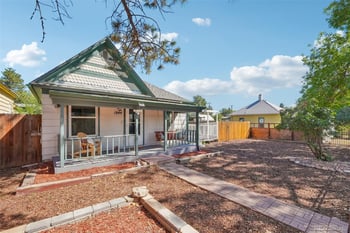
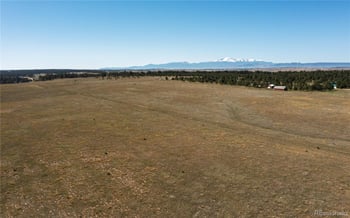
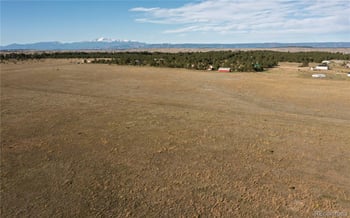
New - 30 Mins Ago
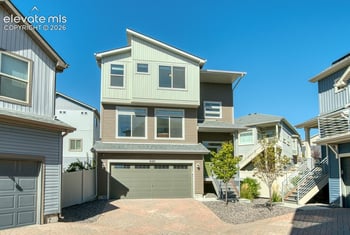
$385,000
Active
3
Beds
4
Baths
2326
Sqft
0.0711
Acres
9180 Baltin Ct, Colorado Springs, CO 80927
MLS#: 7216043
.jpg)



The first 90 days in a Colorado home come down to twelve tasks with dates on them: put the utilities in your name before closing day, change the locks the first week, bind insurance with a hail deductible you understand, test for radon within 30 days, file the senior property tax exemption by July 15 if you qualify, read the assessor's notice when it arrives and protest it inside the June window, schedule the sprinkler blowout before the first October freeze, service the furnace before November, register with the HOA, and update your driver license, vehicle registration and voter registration on the state's clocks.
This checklist is for Front Range owners from Fort Collins to Colorado Springs, with the Denver metro providers named. It follows the Kenna Real Estate Group buyers page, which ends at the closing table; this post starts there.
Call each provider 10 to 14 days before closing and set the start date for closing day. Service does not transfer on its own, and a home without gas in January freezes pipes in two days.
The Denver utility providers and costs guide lists every metro city's providers and typical monthly bills.
Every prior owner, tenant, contractor and agent had a key. Rekey or change the locks on every exterior door the first week; a locksmith rekeys a house for $150 to $300, and a smart deadbolt runs $150 to $250 per door. Reset the garage door opener code and any keypad.
Colorado law requires a carbon monoxide alarm within 15 feet of every bedroom in a home with a fuel-burning appliance, fireplace or attached garage, and the seller installs them before closing; test each one and every smoke alarm, then write the battery date on the inside cover. Find and label the water main shutoff, the gas shutoff, the sewer cleanout and the electrical panel. Then request the recorded deed from the county clerk and recorder 2 to 4 weeks after closing and file it with your owner's title policy.
Your policy bound at closing; now read it. Front Range policies price on hail, and the number that matters is the wind-and-hail deductible. Many carriers now write it as 1% to 2% of dwelling coverage, so a $600,000 dwelling limit carries a $6,000 to $12,000 deductible on a roof claim. Confirm three more items: sewer and water backup coverage ($50 to $150 a year, worth it on any home with a basement), replacement cost on the roof rather than actual cash value, and the wildfire score if the home sits in the foothills, Castle Pines, Roxborough or the Boulder County grasslands.
Your lender's escrow account collects tax and insurance with the payment. When the assessor raises value or the carrier raises the premium, the payment resets at the annual escrow analysis. Mike Oswald, VP of Mortgage Lending at Rate, NMLS 261003, Equal Housing Lender, explains the escrow reset for Kenna Real Estate Group buyers before closing; you are free to use any lender, and the financing page covers how escrow works. The Denver metro home insurance checks post lists the questions to ask the carrier.
If the inspection included a radon test, keep the report. If it did not, run one now. Colorado sits in the EPA's highest radon zone, and the Colorado Department of Public Health and Environment reports that about half of the state's homes test above the action level of 4.0 picocuries per liter. A do-it-yourself kit costs $15 to $30; a professional 48-hour test runs $150 to $250. A result at 4.0 or above calls for a mitigation system at $1,000 to $2,500, installed in one day. Retest every 2 years and after any basement finish. The Denver radon testing and mitigation guide explains the system and what it does for resale.
Colorado property taxes are paid a year in arrears: the bill for this year's taxes arrives in January of next year, and the lender pays it from escrow. If you pay directly, the county treasurer takes the full amount by April 30 or two halves by the last day of February and June 15.
The Denver property taxes guide walks through the bill line by line, including any metro district levy that came with the home.
Denver's average first freeze lands in the first half of October, and an irrigation line with water in it splits at 28 degrees. Book the blowout for late September or the first week of October; a crew with a compressor charges $60 to $120 for a residential system. Disconnect and drain every hose, and cover the backflow preventer or shut its interior valve. Some Front Range cities require an annual backflow test on the device ($75 to $150); check the water bill for the notice. The Colorado backflow preventer and sprinkler blowout guide covers the steps if you own the compressor.
A gas furnace loses about 4% of its rated output for every 1,000 feet above sea level, so a furnace in Denver runs at roughly 80% of its nameplate. Installers derate and adjust the burner and pressure switch for altitude; a furnace moved in from sea level without that adjustment short-cycles and soots. Book a service call before November ($100 to $200): the tech checks the derate, the heat exchanger, the igniter and the flue. Replace the filter every 60 to 90 days through winter. Winter indoor humidity on the Front Range drops to 10% to 20% without help; a whole-house humidifier ($500 to $1,000 installed) set to 30% to 40% stops the cracked trim and static.
Email the management company named in the closing documents, get a portal login, set dues to autopay and download the covenants, the architectural rules and the last two budgets. Any exterior change, from a fence to a paint color to a xeriscape conversion, needs written approval from the architectural committee first; Colorado law bars an HOA from prohibiting xeriscape outright, but the design still goes through review. Every Colorado HOA registers annually with the HOA Information and Resource Center at the Colorado Department of Regulatory Agencies, where owners file complaints and read the current rules. If the home sits in a metro district, find its board meeting schedule on the district's website; the board sets your mill levy. The Denver HOA rules and fees guide explains what the documents contain.
A snow shovel and an ice scraper are day one. By the end of the first year most Front Range owners have added a snow blower for a north-facing driveway, a roof rake for ice dams, a cordless drill and driver set, a 6-foot ladder for gutters and smoke alarm batteries, a hose-end sprayer for the xeriscape beds, and a wet-dry vacuum for the window wells during the July monsoon rains. Buy the drill and driver first; a starter set of power tools for sale at any hardware store runs $150 to $300 and handles 80% of first-year jobs.
Spend the first year's improvement money where Colorado resale rewards it: a Class 4 impact-resistant roof when the current one ages out (it also earns an insurance discount), a radon mitigation system, a whole-house humidifier, a 240-volt garage outlet, and a xeriscaped front yard that cuts the summer water bill by half. Skip the pool. The adding value to a Colorado home page ranks each project by what it returns at sale, and the new Colorado homeowner tips post covers the second year.
The Kenna Real Estate Group, Keller Williams DTC, stays with buyers after closing: the utility list for your address, the assessor comps for a protest, and a contractor list for the blowout, the furnace and the radon system. Call or text 303-955-4220. A live person answers. Not a robot, not a phone tree. When the next move comes, search every home for sale in Colorado.
Questions about any home in Colorado? Call or text 303-955-4220. A live person answers.
Call 10 to 14 days before closing and set the start date for closing day. Xcel covers electric and gas in most of the Denver metro; Colorado Springs, Fort Collins and Loveland run their own utilities.
An owner 65 or older on January 1 who has owned and lived in the home as a primary residence for 10 consecutive years. It exempts 50% of the first $200,000 of value; apply with the county assessor by July 15.
After the notice of valuation arrives around May 1 in odd-numbered years, until early June (June 8 in recent years; the notice prints the date). Bring three closed sales from the prior 18 months that support a lower value.
In full by April 30, or in two halves by the last day of February and June 15, for the prior year's taxes. Most owners with a mortgage pay through escrow.
Late September through the first week of October, before the first hard freeze. A residential blowout costs $60 to $120; a line left full splits at 28 degrees.
Gas furnaces lose about 4% of output per 1,000 feet of elevation, so a Denver furnace runs near 80% of nameplate. A tech confirms the derate, burner and pressure switch settings during the fall service call.
No. Colorado law bars HOAs from prohibiting xeriscape, but the design still goes through the architectural review committee. Submit the plan before you dig.
30 days for the license and 90 days for vehicle registration. Cars registered in the Denver metro need an emissions test before the first Colorado registration.