New - 3 Hours Ago

$228,000
Active
2
Beds
2
Baths
1019
Sqft
--
Acres
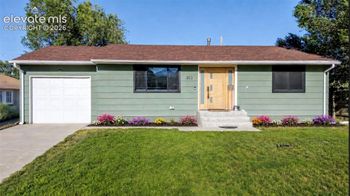
8600 E Alameda Ave #19-108, Denver, CO 80247
MLS#: 7612840
.jpg)


A Colorado home runs on a twelve-month maintenance calendar set by the climate: the sprinkler blowout before the first October freeze, the furnace and humidifier service before November, ice dam prevention in January, the roof and gutter check after every hail storm from May through September, grading checks on expansive clay soil after the spring thaw and the July monsoon, and a xeriscape plan that cuts the summer water bill in half. Owners who follow the calendar spend $1,500 to $3,000 a year on upkeep; owners who skip it meet the same items as $10,000 repairs.
This calendar is written for the Front Range from Fort Collins to Colorado Springs, at 5,000 to 6,500 feet, with 300 days of sun, 50 to 60 inches of snow in Denver, UV strong enough to fade paint in 5 years, and bentonite clay under most foundations. Costs are Denver metro ranges for a 2,000 sq ft home in 2026.
Freeze-thaw is the January pattern: 45 degrees at noon, 15 degrees at night. Snow melts on a warm roof, runs to the cold eave and refreezes into an ice dam that pushes water under the shingles. Rake the first 3 feet of roof above the gutter after any snowfall over 6 inches, and run heat cable on north-facing eaves that dam every year. The permanent fix is in the attic: air-seal the ceiling and bring insulation to R-49, the code level for Denver's climate zone, so the roof deck stays cold. Change the furnace filter, set the humidifier to 30% to 40%, and check that every outdoor hose bib is drained and covered.
Winter, with the house closed, is the right month for a radon test; a kit runs $15 to $30 and Colorado sits in the EPA's highest radon zone. February is also when roofers have open calendars. If the roof is past 15 years or has a hail history, get two bids now for a Class 4 impact-resistant replacement so you are not in the June queue after a storm. Ask your carrier what discount a Class 4 roof earns on the premium; most Colorado carriers publish one.
As the ground thaws, walk the foundation. Bentonite clay swells when wet and shrinks when dry, and a foundation that stays at even moisture stays put. The soil should drop 6 inches in the first 10 feet away from the wall; downspout extensions should carry water 5 feet or more from the foundation; window wells should be clear and covered. Fill low spots with clay-heavy fill, not topsoil or mulch. Prune deciduous trees before bud break, and check the gutters for the winter's grit and seed pods. The Denver foundation crack guide shows which cracks are cosmetic and which need an engineer.
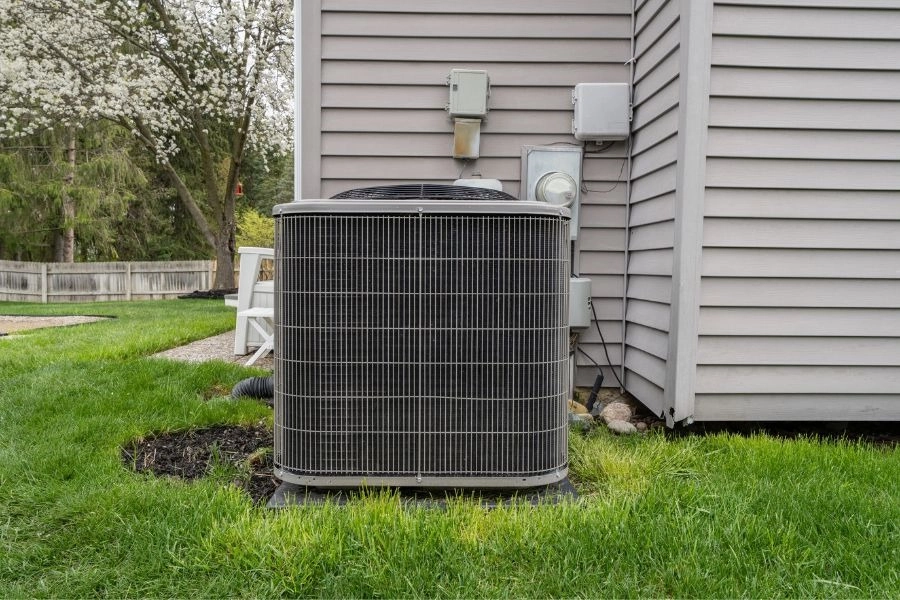
Denver's average last freeze falls between April 25 and May 5, so turn the irrigation on in the last week of April and set it to run twice a week until June. Have the backflow preventer tested if your city requires it ($75 to $150; the notice comes with the water bill). Book the air conditioner tune-up before the first 90-degree day, around May 20 to 30 ($100 to $200): coil cleaning, refrigerant check and a rinse of the condenser fins. Owners with an evaporative (swamp) cooler replace the pads, check the float and reconnect the water line now.
Colorado hail season runs May through September, with June the peak month. Before the first storm, read the policy: many Front Range carriers now write the wind-and-hail deductible as 1% to 2% of dwelling coverage, so a $600,000 dwelling limit means a $6,000 to $12,000 deductible on a roof claim. Photograph the roof, gutters, screens, siding and AC unit now so you have a before picture. Denver Water's summer watering rules start May 1: three days a week, never between 10 AM and 6 PM. Aerate and top-dress any turf you keep, and mulch the beds 2 to 3 inches deep against the July heat.
Within a day of any hail, walk the property with your phone: look for bruised or missing shingles, dented gutters and downspouts, torn screens, chipped paint on the south and west walls, and bent AC condenser fins. Call the carrier if you find damage, and read the policy's claim deadline; many Colorado policies set 1 year from the storm date. Get a roofer's inspection before the adjuster's visit. Choose a Colorado-licensed roofer with a physical address and never sign a contract on the doorstep; Colorado law gives you the right to cancel a roofing contract within 72 hours and bars the roofer from paying your deductible. The Colorado roof replacement guide covers costs, lifespan and materials.
The Front Range monsoon runs mid-July through August with short, heavy afternoon storms. Walk the foundation after the first big one: any puddle against the wall or water in a window well is a grading fix to make that week. Owners in the foothills, Castle Pines, Roxborough, the west side of Colorado Springs or the Boulder County grasslands keep the first 5 feet around the house free of mulch, wood piles and dry shrubs; carriers now credit that zone on the wildfire score. Compare the July water bill to last year's; a quarter-acre turf lot in Denver runs $80 to $150 a month in summer, and the number tells you what a xeriscape conversion will save.
UV at 5,280 feet fades and chalks exterior paint in 5 to 8 years on south and west walls, against 10 years at sea level. August's dry heat is the month to repaint or spot-prime, recaulk window and door frames, and reseal the deck. Check the attic on a hot afternoon: if it is over 130 degrees, add soffit or ridge ventilation before winter, because a hot attic in August is an ice dam attic in January.
Book the furnace service now, ahead of the October rush ($100 to $200). A gas furnace loses about 4% of output per 1,000 feet of altitude, so the tech confirms the high-altitude derate along with the heat exchanger, igniter and flue. Replace the humidifier pad ($20 to $50) and set the humidistat to 30% to 40% for winter. Have a wood-burning fireplace swept and inspected ($150 to $300). Order the sprinkler blowout for the first week of October before the crews fill up.
Denver's average first freeze lands in the first half of October. Blow out the sprinklers before it ($60 to $120 with a crew, or a rented compressor if you know the zones), disconnect every hose, drain and cover the hose bibs, and shut the swamp cooler down: drain it, disconnect the water line, and cover it so warm air does not leak out all winter. Clean the gutters after the first leaf drop and again in November ($150 to $300 per visit if hired). Test the sump pump by pouring a bucket into the pit. The Colorado sprinkler blowout and backflow guide lists the steps.
Service the snow blower and buy ice melt before the first storm. Rock salt and magnesium chloride eat concrete, and any slab poured within the last year spalls on the first application; use sand for traction and a calcium magnesium acetate product on the concrete you care about. Denver requires sidewalks cleared within 24 hours after a snowfall ends, and most suburbs set a similar clock. Put the roof rake by the back door. Flush the water heater to clear the mineral sediment Front Range water leaves behind, and replace the furnace filter.
After the first hard cold, walk the outside again: new foundation cracks wider than a quarter inch, doors that stick, or a drywall crack above a window frame are the expansive-soil signals worth a structural engineer's visit ($400 to $700). Check the eaves for the first ice dam, keep the humidifier at 30% to 40%, and test smoke and carbon monoxide alarms when the clocks change.
Denver Water coined the word xeriscape in 1981, and the Front Range is where it works best. A conversion from turf to drought-adapted beds with drip irrigation costs $5 to $15 per square foot installed, so a 1,500 sq ft front lawn runs $7,500 to $22,500, and it cuts the summer water bill by half or more. Denver Water, Aurora Water and several suburban providers run turf-replacement rebates, and Resource Central sells pre-designed low-water garden kits each spring. Colorado law bars an HOA from prohibiting xeriscape; the design still goes through the architectural committee, so submit the plan in winter and plant in May and June. The Front Range xeriscaping guide lists the plants and the rebate programs.
| Task | When | Denver metro cost |
|---|---|---|
| Sprinkler blowout | Late September to early October | $60 to $120 |
| Backflow preventer test | April (where required) | $75 to $150 |
| Furnace service with altitude derate check | September | $100 to $200 |
| Air conditioner tune-up | Late April to May 30 | $100 to $200 |
| Humidifier pad | September | $20 to $50 |
| Whole-house humidifier, installed | Once | $500 to $1,000 |
| Gutter cleaning, per visit | October and November | $150 to $300 |
| Chimney sweep and inspection | September | $150 to $300 |
| Radon test kit | February | $15 to $30 |
| Radon mitigation system | Once, if over 4.0 pCi/L | $1,000 to $2,500 |
| Downspout extensions and regrading | March and July | $200 to $500 yourself; $1,500 to $5,000 hired |
| Attic air-seal and insulation to R-49 | Once | $1,500 to $4,000 |
| Heat cable on problem eaves | Once | $300 to $1,000 installed |
| Exterior repaint | Every 5 to 8 years | $5,000 to $12,000 |
| Class 4 impact-resistant roof | Every 15 to 25 years | $12,000 to $25,000 |
| Xeriscape conversion | Plant in May and June | $5 to $15 per sq ft |
| Structural engineer foundation visit | As needed | $400 to $700 |
Buyers' inspectors on the Front Range look for the same things this calendar prevents: a hail-bruised roof, a furnace with no service record, grading toward the house, a radon number with no mitigation, and a lawn that costs $200 a month in July. A Class 4 roof, a serviced furnace with the receipts in a folder, a radon system and a xeriscaped yard each show up in the offer. The adding value to a Colorado home page ranks projects by what they return, and it shows which of these receipts to put in the listing folder. New owners should pair this calendar with the first 90 days in a Colorado home checklist.
The Kenna Real Estate Group, Keller Williams DTC, keeps a vetted list of Front Range roofers, HVAC techs, irrigation crews and radon installers for its clients, and tells sellers which of these items to finish before listing. Call or text 303-955-4220. A live person answers. Not a robot, not a phone tree. When the next move comes, search every home for sale in Colorado.
Questions about any home in Colorado? Call or text 303-955-4220. A live person answers.
May through September, with June the peak month. Photograph the roof, gutters and AC unit in April so you have a before picture for a claim.
The first week of October at the latest. Denver's average first freeze falls in the first half of October, and a full irrigation line splits at 28 degrees.
30% to 40%. Without a humidifier, Front Range indoor air drops to 10% to 20% in January, which cracks wood trim and floors.
A 6-inch drop in the first 10 feet away from the wall, with downspouts discharging 5 feet or more from the foundation. Fill low spots with clay-heavy fill, not mulch.
A cold roof deck: air-seal the attic floor and insulate to R-49, then add soffit and ridge ventilation. Heat cable on a north eave is the stopgap at $300 to $1,000 installed.
Yes. Most Colorado carriers publish a premium discount for Class 4 impact-resistant shingles; ask the carrier for the percentage before choosing the material. A replacement on a 2,000 sq ft home runs $12,000 to $25,000.
$5 to $15 per square foot installed with drip irrigation, so $7,500 to $22,500 for a 1,500 sq ft lawn. Denver Water and Aurora Water run turf-replacement rebates, and the summer water bill drops by half or more.
Not on concrete poured in the last year, and not on any slab you want to keep. Rock salt and magnesium chloride spall concrete; use sand for traction and a calcium magnesium acetate product for melting.