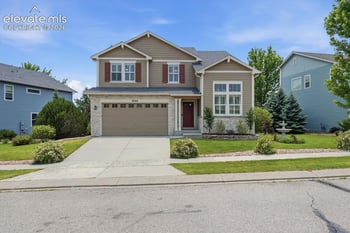
$600,000
Active
4
Beds
3
Baths
2524
Sqft
0.18
Acres
8360 Winding Passage Dr, Colorado Springs, CO 80924
MLS#: 5903053
.jpg)


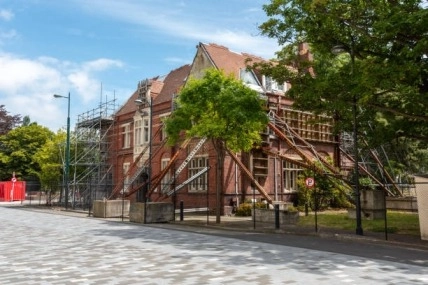
Colorado’s building and repair standards have tightened over the past decade for three specific reasons: hail, wildfire, and expansive soil. None of them are earthquakes, but the pattern matches what happened in Christchurch, New Zealand after the Canterbury earthquakes — a period of visible damage followed by stricter codes, better materials, and more inspection at every stage of repair.
Front Range building departments update roofing, foundation, and wildfire codes on a rolling basis because three risks repeat every year: hailstorms from spring through September, wildfire pushing into subdivisions along the foothills, and expansive clay soil that moves under a slab with every wet-dry cycle. Each event produces a new round of claims data, and insurers and building departments respond with updated material and inspection requirements.
A homeowner selling in Denver, Aurora, Colorado Springs, or Fort Collins today is judged against those newer standards, even on a house built decades earlier. Buyers ask about roof class rating, foundation history, and defensible space before they ask about paint color.
The Front Range sits inside what insurers call Hail Alley, the stretch of the country with the highest number of large-hail days. A single storm through Aurora or Colorado Springs can generate thousands of roof claims in one afternoon.
That frequency pushed Class 4 impact-resistant shingles from an upgrade to a near-default choice on Front Range re-roofs. Many Colorado insurers offer a premium discount for a documented Class 4 roof, and some HOAs specify it in their roofing standards. A homeowner comparing bids should ask each roofer for the shingle’s UL 2218 Class 4 rating in writing, not just a verbal claim.
For sellers, a recent Front Range hail and roof cost comparison breaks down what buyers expect to see on the inspection report.
The December 2021 Marshall Fire destroyed roughly 1,000 homes in Louisville and Superior in a few hours, and it changed how Front Range counties write wildfire rules. Several jurisdictions strengthened Wildland-Urban Interface (WUI) code requirements: Class A fire-rated roofing, ember-resistant vents, non-combustible siding near the foundation, and defensible-space clearing of dry vegetation.
Buyers researching homes near open space or foothill grassland now check a property’s wildfire insurance score before writing an offer, the same way they check a flood zone.
Bentonite clay runs under large sections of the Denver metro, Colorado Springs, and Castle Rock. It swells when it absorbs water and shrinks when it dries, and that repeated movement is the single biggest cause of foundation cracking on the Front Range — more common here than storm or seismic damage.
A house built before the 1980s, when post-tension slab foundations and engineered footings became standard, carries more foundation risk than a newer build on the same street. That is why lenders and inspectors treat a structural engineer’s foundation letter as a normal part of a Front Range purchase, not a red flag by itself.
A geotechnical report drills test borings around the building envelope and measures the soil’s swell potential, bearing capacity, and moisture content. Builders on the Front Range order one before pouring any new foundation; buyers of an older home order one when an inspector flags cracking, uneven floors, or doors that stick.
The report tells an engineer whether a crack is cosmetic settling or active soil movement, which determines whether the fix is a $500 patch or a $15,000 to $40,000 underpinning project.
Colorado’s dry air and wide daily temperature swings mean water that gets into a roof seam, a foundation crack, or a driveway joint freezes overnight and expands, then thaws by afternoon. Repeated over a winter, that cycle widens small gaps into real repair items faster than a milder, wetter climate would.
Sprinkler lines are part of the same pattern: a blowout before the first hard freeze prevents a cracked line from becoming a spring repair bill.
Colorado’s seller property disclosure asks directly about known foundation problems, roof leaks, and water damage repairs. Sellers should gather permits, engineer letters, and warranty documents for any past repair before listing — buyers and their inspectors will ask for them during the inspection objection period, and having the paperwork ready keeps a deal from stalling. The guide to preparing and adding value before selling covers which repairs are worth finishing before photos and which can wait for a credit at closing.
| Project | Typical Front Range cost |
|---|---|
| Class 4 impact-resistant roof (2,000 sq ft) | $14,000 to $22,000 |
| Geotechnical soil report | $600 to $1,800 |
| Foundation crack repair (cosmetic) | $500 to $3,000 |
| Foundation underpinning (active movement) | $15,000 to $40,000+ |
| Defensible-space clearing (half-acre lot) | $1,500 to $4,000 |
| Sewer line scope | $150 to $400 |
Christchurch’s recovery after the Canterbury earthquakes offers a real comparison point. The city moved toward documented, third-party-verified repairs instead of visible patch jobs, and that shift raised buyer confidence in a rebuilt home. Front Range homeowners are moving the same direction for a different set of risks: a written Class 4 roof certification, an engineer’s foundation letter, and a wildfire-mitigation record now carry the same weight in a Colorado sale that a certified building inspection in Christchurch carries in a post-earthquake one — proof, not just a fresh coat of paint.
Homeowners insurance premiums on the Front Range reflect all three risks at once. A carrier pricing a policy in Castle Rock or Colorado Springs weighs the roof's age and shingle class, the property's distance from open space or foothill grassland, and, increasingly, the foundation type and any documented past movement. A homeowner who keeps records of a Class 4 roof install, a defensible-space clearing, or an engineer's foundation letter has a stronger case for a lower premium or a faster claim if damage happens later.
Some carriers have pulled back from writing new policies in the highest wildfire-risk zones near the foothills, which is one more reason buyers researching a home in Boulder County, Jefferson County, or El Paso County check insurability before writing an offer, not after.
Any addition, deck rebuild, or major remodel on a Front Range home triggers a review against the current code, not the code the house was originally built under. A homeowner planning a kitchen bump-out or a second story should expect the permitting city to ask about roofing material, foundation type for the new footprint, and, in wildfire-adjacent areas, ember-resistant venting on the new construction. Building the addition to current standards the first time costs less than retrofitting it after an inspector flags it.
Whether a hailstorm, a soil report, or a fire-mitigation requirement changed what a Front Range home needs before it sells, the Kenna Real Estate Group can walk through what buyers will ask for and what it is worth fixing first. Call or text 303-955-4220. A live person answers. Not a robot, not a phone tree. Or search every home for sale in Colorado.
Questions about any home in Colorado? Call or text 303-955-4220. A live person answers.
No statewide law requires it, but many Front Range insurers discount premiums for a documented Class 4 roof, and several HOAs specify it in their roofing standards.
It is a property-level rating some Colorado insurers use to price wildfire risk, based on vegetation, slope, and distance to open space; buyers near the foothills should ask for a property's score before writing an offer.
Bentonite clay under much of the Denver metro and Colorado Springs area swells and shrinks with moisture, and that movement is the leading cause of foundation cracking on the Front Range.
Active foundation movement runs $15,000 to $40,000 or more to underpin, depending on the length of wall affected and the number of piers required.
Yes. Colorado's seller property disclosure asks directly about known foundation, roof, and water-damage history, and buyers' inspectors ask for permits and engineer letters during the inspection objection period.
Defensible space is a cleared buffer of vegetation around a structure that slows an advancing wildfire; several Front Range counties near open space or foothill grassland require it under local wildfire code.
Yes, for any home built before 1970. Clay and Orangeburg sewer pipe from that era are common causes of blockages and root intrusion that a scope catches before closing.
A documented Class 4 roof rarely adds a fixed dollar figure at appraisal, but it removes a repair item buyers would otherwise negotiate into price, and some insurers require it for new coverage on hail-prone streets.