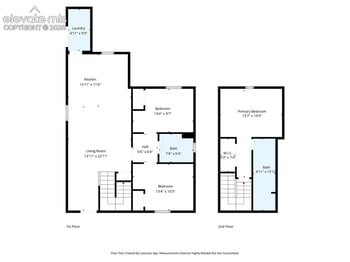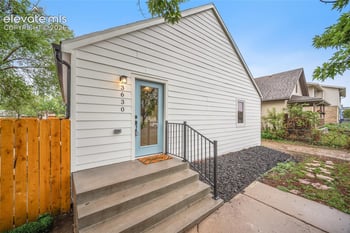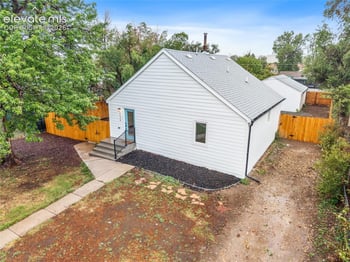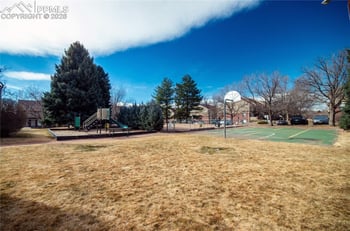
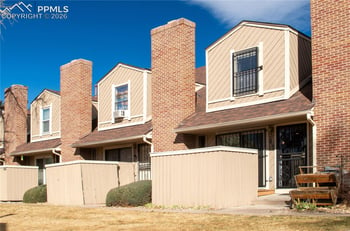
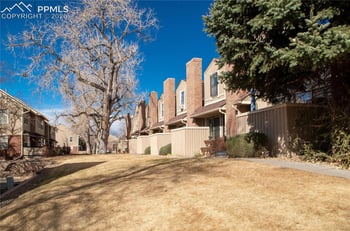
$345,000
Pending
3
Beds
2
Baths
1538
Sqft
0.0202
Acres
3300 W Florida Ave #48, Denver, CO 80219
MLS#: 9397860
.jpg)



Colorado basements move because the ground under them moves. Denver metro sits on expansive, bentonite-heavy clay that swells when it's wet and shrinks when it dries, and that cycle repeats every year with the Front Range's snow, spring runoff, and summer dry spell. A basement that gets a real annual check holds its value; one that only gets attention after a wet spring needs a bigger, more expensive fix.
The clay soil under most of the Front Range expands and contracts by inches across a wet-to-dry cycle, and that movement pushes unevenly against a foundation wall. A foundation built on this soil needs consistent drainage and moisture control year over year, not a single repair, because the soil itself never stops moving. A structural-systems overview from Inquirer.net on a home's structural systems lays out the same principle: a foundation is one connected system, and a fix in one spot without addressing drainage elsewhere just relocates the pressure.
Bentonite and other expansive clays absorb water and swell, then lose that water and shrink, and the swing between the two states is what cracks slabs and tilts foundation walls. Front Range neighborhoods built on heavier clay pockets see this more than neighborhoods on sandier soil, which is why a soils report matters as much as a home inspection when you're buying in a clay-heavy area.
Water that gets into a small crack in fall freezes and expands through the winter, widening the crack every time the temperature swings above and back below freezing, a pattern the Front Range repeats dozens of times each winter. Sealing small cracks before the first hard freeze keeps a minor issue from turning into a wider one by spring thaw.
Test the sump pump at the start of spring runoff and again before the first hard freeze: pour a bucket of water into the pit and confirm the pump kicks on and clears it. A pump that fails during spring snowmelt is the single most common cause of a flooded Front Range basement, and it's also the cheapest failure to prevent.
A monitored sump pump adds a sensor that texts or calls you if the water level rises without the pump activating, or if the pump loses power during a storm. Homeowners on forums like Reddit's r/homeowners have compared monitoring sump pump setups at length, and the consistent takeaway is that a battery-backed, monitored pump catches a failure while you can still act, instead of after the basement carpet is already wet.
Yes. Colorado sits in EPA Zone 1, the highest radon-potential category, and a finished basement traps radon gas at the same level where people spend the most time. Test every two years regardless of a prior result, since radon levels shift as the soil around the foundation settles and cracks open or close.
Minor crack injection and sealing runs a few hundred to around $2,000 depending on the number of cracks. Pier or helical-anchor underpinning for a settling section of wall runs several thousand dollars per pier, and a full perimeter stabilization on a larger home can run well into five figures. Get more than one bid; pricing on foundation work varies widely by contractor and method.
Yes. Homes built before 1970 in Denver commonly still have the original clay or cast-iron sewer line, and tree roots plus decades of clay-soil movement crack these lines underground where you can't see it. A sewer scope during the inspection period catches a failing line before it backs up into the basement after closing.
An un-blown sprinkler line that freezes and cracks leaks water directly next to the foundation all winter, feeding the same soil-moisture swings that move a basement wall. Schedule the blowout before the first hard freeze in fall, and keep irrigation heads and drip lines at least a few feet from the foundation year-round.
Colorado's seller property disclosure form asks directly about known foundation problems, past repairs, and water intrusion. Disclose any prior crack repair, underpinning, or basement flood even if it's fixed; an undisclosed known issue is a bigger legal problem after closing than a disclosed one ever is during negotiation.
A documented, professionally completed repair with a transferable warranty reassures more buyers than it scares off, since it shows the issue was addressed rather than hidden. An active, unaddressed crack or a musty basement smell during a showing is what actually costs offers.
Many Front Range metro districts and HOAs maintain the swale and storm drain system between lots, but the grading immediately next to your foundation is the homeowner's responsibility. Confirm which party maintains the drainage easement on your lot before assuming a wet basement is the district's problem to fix.
Colorado's standard contract sets an inspection objection deadline early in the transaction, and it's the window to raise a foundation concern found during the inspection and negotiate a repair, credit, or price adjustment. Miss that date and the issue becomes the buyer's to handle after closing.
No single repair stops clay soil from continuing to swell and shrink around the house. Consistent moisture control, gutter maintenance, correct grading, and a working sump pump every year are what keep a repaired foundation from needing the same fix again in five years.
Crawl space and basement moisture control follows the same principles nationwide: seal vents, control humidity, and keep water moving away from the foundation. Regional contractors like Crawl Space Brothers in Nashville publish checklists built around a different climate, but the underlying moisture-control steps translate directly to a Front Range crawl space dealing with clay-soil swings instead of Southern humidity.
A yearly professional inspection checks the check valve, the discharge line's slope away from the foundation, and the backup battery's charge holding capacity, none of which a homeowner can fully verify with a bucket test alone. Pair the DIY bucket test each spring with a professional inspection every year or two so a worn part gets caught before it fails during snowmelt.
Whether you're budgeting for basement work before you list or trying to read an inspection report on a home with a repaired foundation, the Kenna Real Estate Group walks Front Range clients through what a foundation issue actually means for price and timeline. Call or text 303-955-4220. A live person answers. Not a robot, not a phone tree. Ready to start looking? Search every home for sale in Colorado.
Questions about any home in Colorado? Call or text 303-955-4220. A live person answers.
Front Range soil is heavy in expansive clay that swells when wet and shrinks when dry, and that yearly swing pushes unevenly on foundation walls. Consistent drainage control matters more here than in areas with stable, sandy soil.
Minor crack injection runs a few hundred to around $2,000. Pier or helical-anchor underpinning for settling runs several thousand dollars per pier. Get more than one bid since pricing varies by method and contractor.
Yes. Colorado sits in EPA Zone 1, the highest radon-potential category, and a finished basement is where people spend the most time. Test every two years since levels shift as the soil around the foundation settles.
A hairline crack under 1/8 inch, vertical and consistent width, is cosmetic. A crack wider than 1/4 inch, horizontal, or stair-stepped through block signals active movement and needs an engineer's evaluation.
Yes. Homes built before 1970 commonly still have the original clay or cast-iron sewer line, and root intrusion plus soil movement crack these lines underground. A sewer scope during inspection catches a failing line before it backs up.
The seller property disclosure form asks directly about known foundation problems, prior repairs, and water intrusion. Disclose any past crack repair or basement flood even after it's fixed.
Before the first hard freeze in fall. A cracked, un-blown line leaks water next to the foundation all winter and feeds the same soil-moisture swings that move a basement wall.
A documented repair with a transferable warranty reassures more buyers than it scares off. An active, unaddressed crack or musty basement smell during a showing is what actually costs offers.