.jpg)


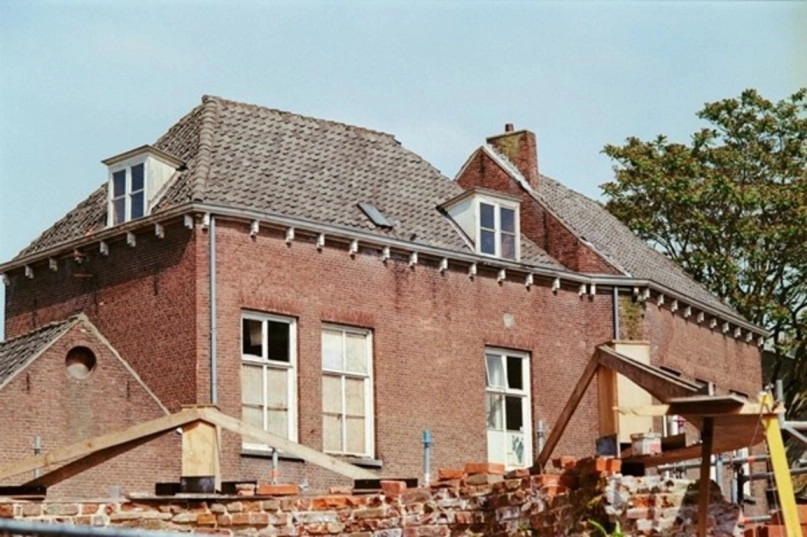
Let's be real: you don't think about your foundation until there's a problem. But this chunk of concrete under your house is a big deal. It holds everything up, and when it starts failing, things get expensive fast.
Foundation issues are common, especially in areas where the soil shifts a lot or the water can't decide. The good news is that most problems have clear causes and innovative solutions.
Let's dig into what typically goes wrong and how the pros handle it.
When Water Gets Pushy (or Disappears)
Water is the number one troublemaker when it comes to foundation problems. Too much of it? That's a big problem. Not enough? That's still a problem.
If rainwater or sprinkler runoff pools around your home, it can slowly erode the soil or press against your foundation walls until they start to crack or lean. On the flip side, if the ground gets super dry, it can shrink and create gaps that your house sinks into.
It's all about balance. That's why proper grading, clean gutters, and maybe even a drainage system are so important.
When Builders Cut Corners
Sometimes, the issue goes back to day one of construction. If the crew didn't properly compact the soil before laying the foundation, it may settle unevenly later. Or if they used low-quality concrete, you're looking at premature cracking and deterioration.
A rushed job may not appear immediately, but a few years later, it's a different story. At this point, underpinning, which involves installing steel or concrete piers beneath the foundation to shift the weight to bedrock or more stable soil, typically enters the picture.
Underpinning is one of the most effective ways to stop further movement and add long-term stability. It's not cheap, but it's better than watching your home slowly lean like the Tower of Pisa.
Looking for a Realtor Referral in Las Vegas?
Let us help you. Call or Text Kenna Real Estate Group at 303-955-4220 to get personalized assistance from our expert real estate agents. Find out what your home is worth in today's market.
Your Soil Might Be a Drama Queen
Not all dirt is created equal. Some soil types are way more likely to shift around and mess with your foundation.
Clay soil, for example, acts like a sponge. It expands when wet and shrinks when dry. Over time, that movement can cause cracks, sticking doors, and wavy floors. Sandy soils drain better but can wash away if not managed right.
That's why foundation pros often start with a soil test. Based on their findings, they might recommend special piers that reach down to more stable ground. It's all about giving your house a steady place to sit.
Trees and Pipes: Silent Saboteurs
Got big trees near your house? Their roots are probably hunting for moisture, and they'll find it under your foundation. That can shift soil and mess with the structure.
And don't overlook plumbing leaks. A slow leak under your slab might not seem like a big deal until your floors start sloping.
Experts tackle these problems by fixing the source (like trimming back a root system or repairing a pipe) and reinforcing the foundation. You have to treat both the symptom and the cause.
Thinking of Selling With Foundation Issues?
Here's the thing: you can sell a house with foundation problems, but buyers will either walk away or offer much less.
If you're not up for the headache of repairs or drawn-out negotiations, some companies buy houses as-is. One solid option is We Buy any Vegas House, they specialize in helping homeowners sell fast, even if the property has structural problems.
They make the process simple and stress-free, especially for those who are unable to handle major repairs.
What's Up With All These Cracks?
Not every crack means disaster, but they're trying to tell you something.
Tiny hairline cracks? Usually, it's no big deal, just the concrete curing. But wide cracks or stair-step patterns in your bricks? Yeah, those need attention.
Vertical cracks mean the foundation is settling. Horizontal ones? It could be soil pressure pushing in. A professional can read the cracks like a story and recommend the proper fix, whether sealing, bracing, or full-on stabilization.
Looking for a Realtor Referral in Las Vegas?
Let us help you. Call or Text Kenna Real Estate Group at 303-955-4220 to get personalized assistance from our expert real estate agents. Find out what your home is worth in today's market.
Foundation Fixes Don't Have to Wreck Your Yard
Are you worried that fixing your foundation means digging up your whole yard? Not anymore.
Modern repairs are much less invasive. One popular method is for polyurethane foam injection technicians to inject lightweight foam under sunken concrete slabs to raise and level them. It's quick, cost-effective, and leaves your landscaping intact.
Another option is helical piers, steel supports twisted deep into the soil to stabilize foundations. They work well in weak or shifting soils and are installed with minimal disturbance.
Even when traditional underpinning is needed, today's tech makes it much cleaner and quicker than it used to be—no bulldozers tearing up your flower beds.
Catch Problems Early and Save Big
Foundation trouble usually doesn't happen suddenly. The house will try to warn you of sticking doors, hairline cracks, or uneven floors.
Here's a quick checklist to help spot trouble early:
- Doors and windows suddenly sticking or misaligned
- Cracks in walls, especially near corners or windows
- Gaps between the walls and ceiling
- Sloped or bouncy floors
- Water pooling near the base of your home
Regular inspections help you stay ahead of the game. The simplest preventative move is to keep water flowing away from your house.
Notice something off? Don't wait. The longer you ignore them, the worse and more expensive they will become.
Strong Home Starts at the Bottom
Everything in your home depends on the foundation's performance. It might not be the prettiest part of the house, but it's the most important.
Luckily, most foundation issues are fixable if you catch them early and work with someone who knows what they're doing. So whether you're planning to stay long-term or thinking about selling, keeping your foundation in check is just brilliant homeowner stuff.
Don't ignore the signs. Your house is counting on you.
Related Articles
- Should You Buy a Fixer-Upper With Foundation Issues?
- Understanding the Cost of a Foundation Repair: A Homeowner’s Guide
- Preventing Costly Repairs: How Gutter Guards Protect Your Home’s Foundation
If you’re planning a move from Colorado to Las Vegas and need a reliable real estate agent in your new location, Kenna Real Estate Group is here to help. Thanks to our extensive network of trusted professionals across the country, there's a good chance we can connect you with an agent who will provide the same exceptional service you’ve come to expect from us. Contact Kenna Real Estate Group today, and we'll ensure you're in good hands as you transition to your new home.