New - 4 Hours Ago
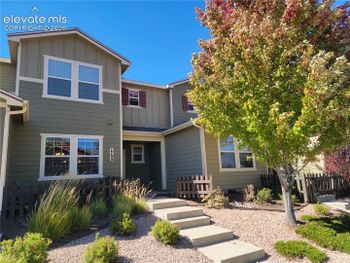
$359,900
Coming Soon
3
Beds
3
Baths
1363
Sqft
0.0469
Acres
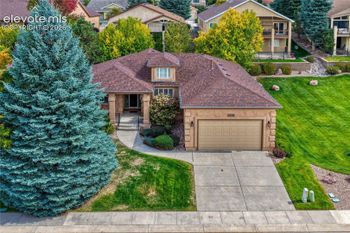
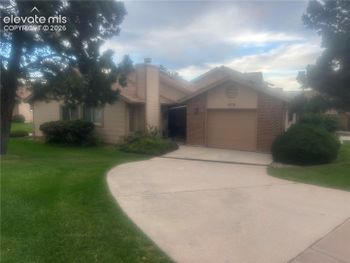
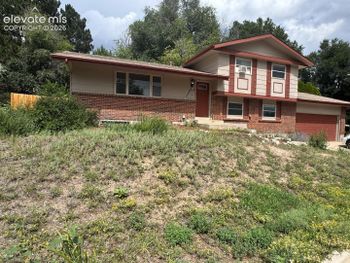
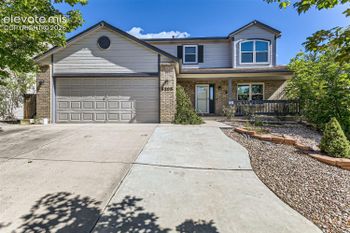
1799 Portland Gold Dr, Colorado Springs, CO 80905
MLS#: 8973049
.jpg)



Colorado summers bring three problems most homeowners don't plan for until they're already dealing with them: hail season, which runs from spring through September and produces some of the highest insurance claim volume in the country; UV and heat at 5,280 feet that stress asphalt, paint, and HVAC systems faster than at sea level; and a jump in ants and mosquitoes that follows the Front Range's short bursts of heavy rain. Each one has a fix that costs far less than the repair it prevents.
Hot summer weather affects asphalt by softening the binder that holds it together, which lets it expand, rut under parked cars, and widen any existing cracks. Denver-metro driveways see this compounded by winter's freeze-thaw cycle, so a crack that opened in January gets worse under July heat rather than healing on its own. Seal a Front Range driveway every two to three years and avoid parking heavy vehicles in the same spot through the hottest weeks.
Colorado's hail season runs from spring through September, with the Front Range corridor from Denver to Colorado Springs sitting inside what insurers call Hail Alley, one of the highest-frequency hail zones in the country. Impact-resistant Class 4 roofing shingles reduce damage and can qualify a homeowner for an insurance discount; check current storm history for a specific address before listing or buying, since roof age and hail exposure both show up in an inspection.
Thinner air at elevation means an air conditioner moves less mass of air per cycle than the same unit would at sea level, so Front Range systems run longer cycles to hit the same indoor temperature. Schedule a professional inspection in spring, before the first 90-degree stretch, and replace air filters monthly through summer to keep strain off the system. An overworked unit that fails mid-July is a far more expensive repair than a spring tune-up.
Colorado stays dry overall, but the Front Range gets a short monsoon-influenced stretch in July and August with afternoon thunderstorms that spike humidity for a few hours at a time. That's not enough on its own to cause mold in most cases, but a basement or crawlspace with a slow leak can turn that brief humidity bump into a real problem. Run a dehumidifier in below-grade spaces and check for window or plumbing leaks before the wettest weeks hit.
Ants move indoors looking for food and moisture once outdoor temperatures climb, and standing water after a storm brings a spike in mosquitoes within days. Seal entry points around foundations and window frames, and eliminate standing water in gutters, pots, and low spots in the yard. A professional exterminator is worth the cost once an infestation is established rather than just a nuisance sighting.
UV intensity at Denver's elevation runs roughly 25% higher than at sea level, which fades exterior paint and stresses vinyl and composite siding faster than the same materials experience in lower-elevation climates. Budget for exterior repainting every seven to ten years along the Front Range, sooner on south- and west-facing walls that take the most direct sun.
Yes. Denver Water, Aurora Water, and most other Front Range providers run seasonal watering schedules that limit sprinkler days per week during peak summer demand, with some cities adding tiered rate increases for high usage. Check your specific provider's current schedule each spring, since watering days and allowed hours can shift year to year.
Dry summer conditions raise wildfire risk across the foothills and much of the Front Range's western edge, and insurers increasingly price policies based on a property's defensible space, the cleared buffer zone around the home. Clearing dead vegetation, keeping gutters free of debris, and maintaining at least the first zone of defensible space around the structure can affect both risk and insurance cost.
Repair costs run $1,000 to $3,000 for isolated shingle damage and $9,000 to $18,000 for a full roof replacement on an average Front Range home, depending on roof size and material. Insurance covers hail damage under a standard homeowners policy in most cases, but document damage with photos right after a storm, since claims filed months later face more scrutiny.
Before. Spring inspection appointments book up fast once the first heat wave hits, and a unit that fails during a 95-degree week means both a higher repair cost and a longer wait for a technician. Early spring is the window most Front Range HVAC companies recommend for a pre-season check.
Mag chloride, the deicer used on Colorado roads and some driveways in winter, leaves a residue that can accelerate concrete surface wear once summer heat and UV exposure hit it. A thorough rinse in early spring, before the heat sets in, removes most of the residue before it does lasting damage.
Check the roof for hail damage, confirm the AC is running efficiently for showings, patch driveway cracks, and clear any pest activity before buyers tour the home — all four are common inspection objection items in a Front Range summer sale. See preparing and adding value before selling for what to prioritize on a pre-listing punch list.
Yes, under a standard homeowners policy in most cases, though some Front Range insurers have moved to a separate, higher deductible specifically for wind and hail claims given how frequent they are in Hail Alley. Check your specific policy's wind/hail deductible, since it's a percentage of the home's insured value in many policies rather than a flat dollar amount.
Most HOAs require exterior repairs, including roofing and siding, to go through architectural review even when insurance is covering the cost, and many set a deadline for completing storm repairs after a claim is approved. Check your community's covenants for that deadline so a contractor delay doesn't turn into an HOA violation.
Ant activity around foundations has climbed as more Front Range yards convert to drought-tolerant landscaping, since ants are drawn to the moisture that collects around irrigation lines and mulch beds. Seal foundation gaps and keep mulch pulled back from the foundation line to reduce entry points.
Buying or selling through a Front Range summer means factoring in hail history, HVAC condition, and defensible space on top of the usual inspection items. The Kenna Real Estate Group at Keller Williams DTC can walk through what matters most for a specific address before you list or write an offer. Call or text 303-955-4220. A live person answers. Not a robot, not a phone tree. Or search every home for sale in Colorado today.
Questions about any home in Colorado? Call or text 303-955-4220. A live person answers.
Hail season runs from spring through September, with the Denver-to-Colorado-Springs corridor sitting inside Hail Alley, one of the highest-frequency hail zones in the country.
Isolated shingle repair runs $1,000 to $3,000; a full roof replacement runs $9,000 to $18,000 depending on roof size and material.
Heat softens the asphalt binder, letting it expand, rut, and widen cracks that formed during winter's freeze-thaw cycle. Sealing every two to three years slows this.
Mostly, but a short July-August monsoon stretch raises humidity for hours at a time, and a basement or crawlspace with a leak can turn that into a real problem.
Early spring, before the first heat wave. Appointments book up fast once temperatures climb, and a mid-summer failure costs more and takes longer to fix.
Yes, under a standard homeowners policy in most cases, though many Front Range insurers apply a separate, higher deductible for wind and hail claims.
Ants moving indoors for moisture and mosquitoes breeding in standing water after storms are the two most common summer pest issues along the Front Range.
UV intensity runs about 25% higher at 5,280 feet than at sea level, fading paint and stressing siding faster, especially on south- and west-facing walls.