.jpg)


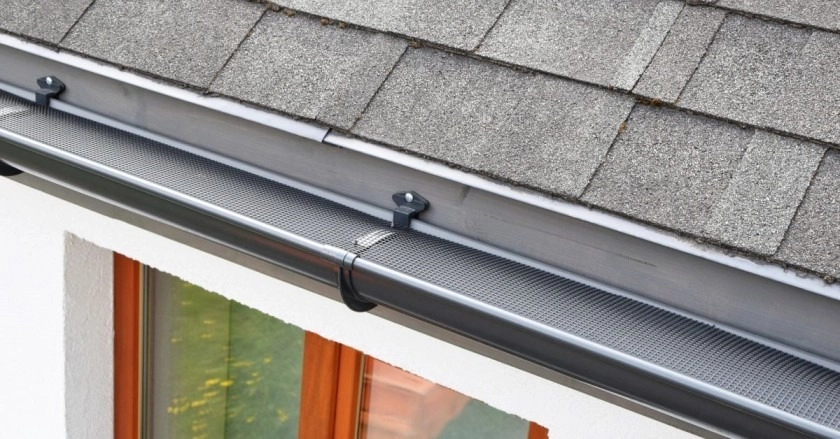
Colorado's expansive, bentonite-heavy clay soils swell when saturated and shrink when dry, which makes water management around a home's foundation more than routine upkeep — it's a structural issue. Clogged gutters overflow directly onto that soil, and the swelling and cracking that follows is one of the most common and expensive repair categories on Front Range homes. Gutter guards are a comparatively small investment that keeps water moving away from the foundation instead of soaking the soil beside it.
Why Colorado soil makes gutter maintenance a foundation issue
Much of the Denver metro and Front Range sits on expansive clay soil that reacts strongly to moisture changes. A dry summer followed by a wet, overflowing gutter season creates repeated swell-and-shrink cycles right at the foundation edge, and that movement is what cracks slabs, bows basement walls and tilts porches. Gutters that function properly carry roof runoff away from this zone; gutters clogged with leaves, pine needles and wind-blown debris dump water exactly where it does the most damage.
How water affects a Front Range foundation
- Soil erosion and instability. Overflowing water washes away supporting soil around the foundation, undermining its footing over time.
- Foundation cracks. Expanding and contracting clay exerts direct pressure on foundation walls, and repeated cycles widen existing cracks.
- Basement flooding. Saturated soil against a foundation wall drives water through cracks and seams, leading to mold, mildew and finish damage inside.
- Hydrostatic pressure. As water accumulates against basement walls, pressure builds and forces water through even small openings, worsening leaks over a single storm season.
Ice dams: a specifically Colorado gutter problem
Clogged gutters trap the meltwater that runs off a Front Range roof during winter's daily freeze-thaw cycle. That trapped water refreezes at the roof edge, forming an ice dam that backs water up under the shingles and, eventually, toward the foundation once the dam finally clears. Keeping gutters clear through the winter, or fitting them with guards that shed debris before it accumulates, reduces the ice dam risk that's common on Front Range homes with north-facing or shaded roof sections.
Talk to the Kenna Real Estate Group
If gutter or foundation condition is part of what's showing up on your inspection report or your pre-listing checklist, the Kenna Real Estate Group can help you weigh the repair against your sale timeline. Call or text 303-955-4220. A live person answers. Not a robot, not a phone tree. Then search every home for sale in Colorado while the project is fresh in mind.
How gutter guards protect the foundation
- Prevent clogs at the source. Guards keep leaves, dirt and twigs out of the gutter channel so water flows freely instead of pooling and overflowing.
- Maintain proper water diversion. With debris kept out, rainwater reaches the downspouts and discharges away from the foundation instead of soaking the clay soil beside it.
- Reduce soil erosion. Stable, well-drained soil around the foundation keeps the footing supported instead of gradually washing away.
- Cut ice dam risk. Clear gutters through winter reduce the meltwater backup that forms ice dams on Front Range roofs.
- Extend gutter system life. Debris buildup causes rust, sagging and premature gutter failure; guards reduce how frequently gutters need cleaning and replacing.
The cost math for the Front Range
Professional gutter cleaning on the Front Range commonly runs $150 to $300 per visit, and most homes need two to three cleanings a year given the mix of spring cottonwood debris, summer wind, and fall leaf drop — $300 to $900 annually, or $3,000 to $9,000 over a decade. Foundation repair tied to water damage runs considerably higher, commonly $5,000 to $15,000 depending on severity, and can run well past that for a full perimeter drainage correction. Installing gutter guards shifts that spending from recurring cleaning bills toward a one-time upgrade that also lowers foundation risk.
Choosing the right gutter guard for a Colorado home
| Guard type | Best for | Tradeoff |
|---|---|---|
| Mesh | Homes near cottonwoods, pines and heavy leaf drop | Higher cost; blocks the finest debris |
| Reverse curve | Homes needing high water-flow capacity in a downpour | Needs professional installation |
| Foam insert | DIY-minded homeowners on a budget | Degrades faster and needs periodic replacement |
| Brush | Homes with light, occasional debris | Needs periodic cleaning itself |
A gutter system fitted with guards like these still needs an annual check, even though it needs far less clearing than an unprotected system. Full gutter guard installation pays for itself over a handful of years once you factor in avoided cleaning visits and reduced foundation risk.
Downspout placement and grading matter as much as the gutter itself
Gutter guards solve the debris problem, but they don't fix poor downspout placement or negative grading. Downspouts should discharge water at least four to six feet from the foundation, and the soil around the home should slope away from the foundation wall rather than toward it. On many older Front Range homes, downspouts empty directly against the foundation or into a yard that slopes back toward the house, and no amount of gutter maintenance fixes that underlying grading problem. A foundation contractor or a general home inspector can flag grading issues during the same visit that assesses gutter and drainage condition.
Installation and permits for gutter guards on the Front Range
Gutter guard installation itself does not commonly require a permit in Front Range jurisdictions, since it doesn't alter the structure of the home. Some HOAs do regulate visible exterior modifications, including gutter guard color or style if it's visible from the street, so check your community's architectural guidelines before installation on a home inside an HOA or metro district. Reverse curve and mesh systems on the whole call for professional installation to get the water-flow angle correct; foam and brush inserts are within reach for a homeowner comfortable on a ladder.
Related drainage upgrades worth considering with gutter guards
Homeowners tackling gutter guards at the same time frequently address related drainage issues in one project: extending downspouts with buried drain lines that daylight well away from the house, regrading a low spot near the foundation, or adding a French drain along a wall that has shown past water intrusion. Bundling these into a single project with one contractor frequently costs less than tackling them separately over several seasons, and it addresses the whole water-management picture around the foundation rather than just the gutters. Ask for the printable foundation drainage checklist in the form below and we email it the same day.
Gutter and foundation condition at resale
Foundation cracks and water staining in a basement are among the fastest ways to trigger a full structural inspection during a Front Range home sale, which can delay closing and cost far more in negotiated repairs than proactive gutter maintenance would have. A well-maintained gutter and drainage system is worth documenting in seller disclosures, and buyers should ask directly about gutter maintenance history and any past foundation work during a showing.
Where to go next
- Get a Smart Pricing Report before you list
- Read the Colorado home sellers guide
- Weatherproofing a home for the Colorado climate
- Roof repair vs. replacement in Colorado
- See the rental property maintenance checklist
- Search every home for sale in Colorado
Talk to the Kenna Real Estate Group
Whether gutter or foundation condition is affecting your next Front Range purchase or sale, the Kenna Real Estate Group can help you put a number on the repair before it becomes a negotiation. Call or text 303-955-4220. A live person answers. Not a robot, not a phone tree. Then search every home for sale in Colorado while the project is fresh in mind.
Homes for sale that match this post
- Basement: guide
- Special Districts Property Tax Guide in Denver
- HOA Rules and Fees Guide in Denver
- All homes for sale in Denver
Guides
Questions about any home in Colorado? Call or text 303-955-4220. A live person answers.