New - 30 Mins Ago
$505,000
Active
5
Beds
4
Baths
2838
Sqft
0.433
Acres
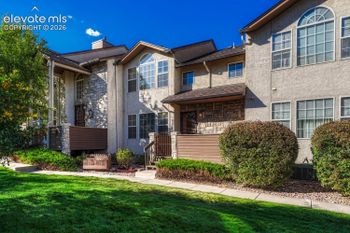
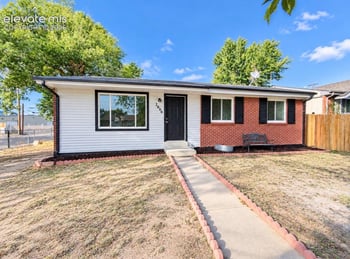
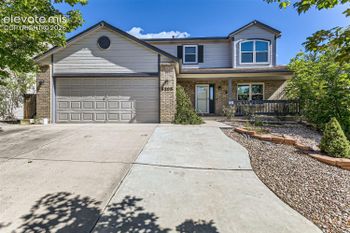
5205 Whip Trl, Colorado Springs, CO 80917
MLS#: 3733175
.jpg)


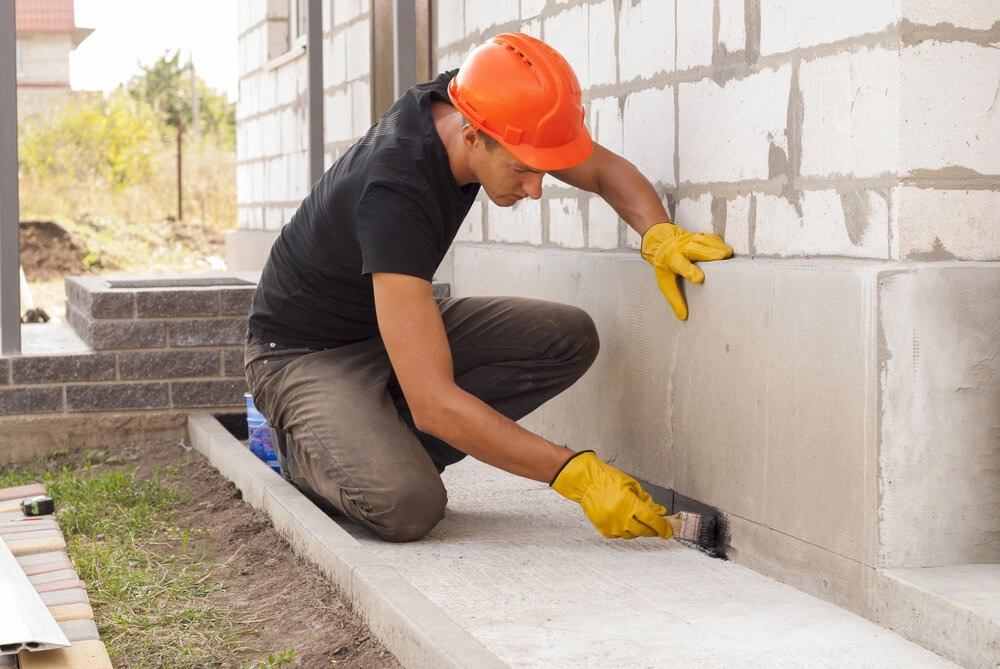
Foundation cracks show up in more Front Range homes than almost anywhere else in the country, because Denver, Aurora, Colorado Springs, and most of the I-25 corridor sit on expansive clay soil that swells and shrinks with moisture. A repair job runs anywhere from $400 to patch one crack to $60,000 or more to underpin an entire foundation. Here is what drives that range and what a crack means at resale.
A single crack injection runs $400 to $800. A partial pier job, 6 to 10 helical or push piers along one wall, runs $8,000 to $20,000. A full perimeter underpinning on a Front Range home runs $25,000 to $60,000 or more, depending on soil depth and access. Slab jacking to relevel a sunken garage or patio slab runs $500 to $1,500 per section.
| Repair type | Typical Front Range cost |
|---|---|
| Single crack injection (epoxy or polyurethane) | $400 - $800 |
| Helical or push piers, per pier | $1,200 - $2,500 |
| Partial pier job, 6-10 piers | $8,000 - $20,000 |
| Full perimeter underpinning | $25,000 - $60,000+ |
| Slab jacking, per section | $500 - $1,500 |
| Exterior drainage and regrading | $2,000 - $8,000 |
Denver metro, Colorado Springs, and much of Douglas and Arapahoe County sit on bentonite-rich expansive clay soil. That soil swells when it absorbs water and shrinks as it dries, and the repeated movement under a slab or basement wall opens cracks over years. Homes built before modern post-tension slab standards took hold see this the most.
Bentonite clay along the Front Range holds water and expands several times its dry volume, then contracts hard when it dries out. A foundation sitting on soil that swells unevenly, more moisture under one corner than another, tilts or cracks even when the concrete itself was poured correctly.
Helical piers run $1,200 to $2,500 installed per pier on a typical Front Range job, and a partial repair needs 6 to 10 piers along the affected wall. Piers screw down to load-bearing soil or bedrock and transfer the house's weight past the unstable clay layer near the surface.
Releveling a sunken concrete slab, garage floor, or patio with polyurethane foam or traditional mudjacking runs $500 to $1,500 per section on the Front Range. It is a lower-cost fix for cosmetic settling and does not address structural wall cracks the way piers do.
Replacing an entire foundation, needed when cracking has gone past what piers or injection can stabilize, runs $25,000 to $100,000 depending on the home's size and whether the house has to be lifted off the old foundation during the work.
Yes. Water that seeps into an existing crack expands when it freezes, then contracts as it thaws, and Front Range winters cycle through freeze-thaw dozens of times a season. A hairline crack that seemed stable in October frequently widens by March.
Thin vertical hairline cracks under 1/8 inch are common in poured concrete and rarely structural. Horizontal cracks, stair-step cracks in block foundations, cracks wider than 1/4 inch, or cracks paired with sticking doors and sloped floors point to active movement and need a structural engineer's evaluation, not just a patch.
Yes. Many pre-1970 Denver homes still run clay or Orangeburg sewer lines, and a cracked or root-invaded line leaks water directly under the foundation, feeding the same soil movement that opens wall cracks. A sewer scope during inspection catches this before it becomes a foundation problem twice.
Downspouts that dump water at the foundation and yards that slope toward the house both concentrate moisture exactly where expansive clay does the most damage. Extending downspouts 6 to 10 feet from the foundation and regrading so water runs away from the house costs $2,000 to $8,000 and prevents a large share of Front Range foundation claims.
Structural foundation work, piers, underpinning, and wall bracing, requires a permit in Denver, Aurora, Lakewood, Colorado Springs, and most Front Range cities and counties. Ask the contractor to show the pulled permit, not just an engineer's letter, before work starts.
Reputable Front Range foundation contractors issue a transferable warranty on pier and underpinning work, and that document becomes one of the most valuable pieces of paper at resale. Keep the warranty, the engineer's report, and before-and-after photos together with the closing file.
Yes. Colorado's seller property disclosure form asks directly about known foundation movement, cracks, and prior repairs. Disclose the history and the repair paperwork together; an undisclosed foundation issue that surfaces at the buyer's inspection is the fastest way to lose a Front Range deal at the table.
An appraiser who spots visible foundation movement will flag the report for a structural engineer's letter before the loan can close, on FHA, VA, and most conventional loans. Get ahead of it: a completed repair with a transferable warranty appraises clean, while an unaddressed crack stalls the deal at underwriting.
Yes, priced and disclosed correctly, or repaired first. A Smart Pricing Report from the Kenna Real Estate Group shows both numbers side by side, list as-is versus list after repair, so you can decide with real dollars instead of guessing.
Colorado purchase contracts set an inspection objection deadline a fixed number of days after mutual acceptance. A buyer who finds foundation movement after that date has already lost the right to negotiate repairs or a credit, which is why sellers with known cracks should get an engineer's evaluation before listing.
Standard Colorado homeowners policies exclude foundation movement caused by soil settlement or expansive clay, the most common Front Range cause. Coverage applies only when a covered peril, a burst pipe or plumbing leak, directly caused the damage. Read the policy's exclusions section before assuming a claim will pay.
Buyers and their lenders both treat foundation issues as the top red flag on a Front Range inspection report. A home that sat with an unaddressed crack for years sells for less and takes longer than one with a documented, warrantied repair, even when the underlying square footage and finishes are identical. See what adds the most value before you sell for where foundation work ranks against other projects.
Check the HOA's architectural review rules before excavating along a foundation wall, since exterior grading, drainage changes, and window well work near the property line need sign-off. Review the Denver HOA rules and fees guide before scheduling a crew.
Get at least two written estimates that separate engineering evaluation from repair cost, confirm the contractor pulls the permit, and ask for the transferable warranty in writing before signing. One resource for understanding the cost of a foundation repair lays out the same pier-and-injection pricing breakdown described above, and you are free to use any licensed Colorado contractor for the actual work.
Buying or selling a Front Range home with a foundation question attached, the Kenna Real Estate Group walks the disclosure, the repair paperwork, and the pricing math with you before you sign anything. Call or text 303-955-4220. A live person answers. Not a robot, not a phone tree. Or search every home for sale in Colorado to see what is on the market right now.
Questions about any home in Colorado? Call or text 303-955-4220. A live person answers.
A single crack injection runs $400 to $800, a partial pier job runs $8,000 to $20,000, and a full perimeter underpinning runs $25,000 to $60,000 or more.
Denver metro and Colorado Springs sit on expansive bentonite clay soil that swells and shrinks with moisture, moving unevenly under slabs and basement walls over years.
Yes. Structural work like piers and underpinning requires a permit in Denver, Aurora, Lakewood, and Colorado Springs; ask the contractor to show the pulled permit.
Standard policies exclude foundation movement from soil settlement, the most common Front Range cause. Coverage applies only when a covered peril like a burst pipe caused the damage.
Yes, the seller property disclosure form asks directly about known foundation movement, cracks, and prior repairs.
Hairline vertical cracks under 1/8 inch are common and rarely structural; horizontal or stair-step cracks over 1/4 inch paired with sticking doors need an engineer's evaluation.
Yes. Pre-1970 clay or Orangeburg sewer lines that leak feed the same soil movement that cracks foundations, which is why a sewer scope belongs in every older-home inspection.
An appraiser who spots visible movement flags the report for a structural engineer's letter before an FHA, VA, or conventional loan can close.