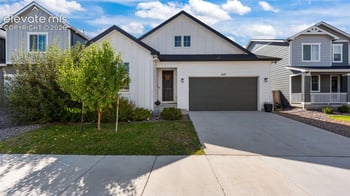
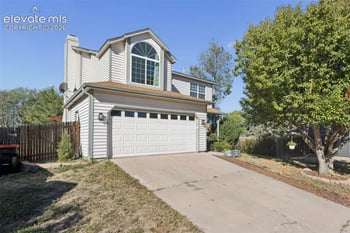
New - Just Now
$737,000
Active
4
Beds
2
Baths
2229
Sqft
0.22
Acres
1212 N Wahsatch Ave, Colorado Springs, CO 80903
MLS#: 5791462
.jpg)


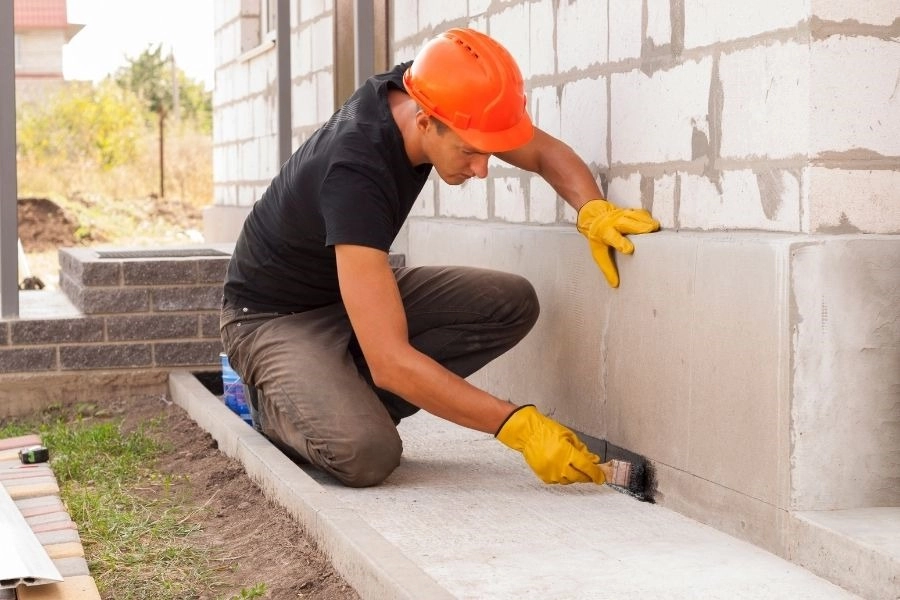
Most foundation problems along the Front Range trace back to one cause: expansive bentonite clay soil that swells when it gets wet and shrinks when it dries out. Preparing your home before repair crews arrive protects your belongings, speeds up the job and keeps the paperwork you will need if you sell later.
Denver, Aurora, Colorado Springs, Fort Collins and most of the Front Range sit on bentonite clay. This soil absorbs water and expands with enough force to lift a slab or crack a foundation wall. When the clay dries out again, it shrinks, and the ground under the house drops. That swell-shrink cycle, repeated every year, is the top reason Colorado homes settle unevenly.
Poor grading around a house speeds up the cycle. Downspouts that dump water next to the foundation, sprinkler heads aimed at the crawlspace vents and flower beds that trap moisture against the wall all feed clay that is already prone to movement.
One or two hairline cracks after a dry year is normal settling. A pattern of the signs above, especially after a wet spring, is worth a professional look.
Before you sign a repair contract, ask whether a geotechnical soil report exists for your lot. Many Front Range subdivisions built since the 1990s have one on file with the county or the original builder. If not, an independent structural engineer, someone who works for you and not for the repair company, can confirm what is actually moving and why before a contractor recommends a fix.
This second opinion costs a few hundred dollars and changes the scope of the job in most cases. A foundation company sells repairs; an engineer's job is to tell you whether you need one and how much.
| Method | Best for | Typical Front Range cost range |
|---|---|---|
| Push piers | Settled foundations reaching stable soil deep underground | $1,200 to $2,500 per pier |
| Helical piles | Lighter structures or additions, screwed into soil rather than driven | $1,500 to $3,000 per pile |
| Slab jacking or polyurethane injection | Sunken concrete slabs, driveways and walkways | $500 to $1,500 per section |
| Drainage and grading correction | Preventing future movement around a stable foundation | $2,000 to $8,000 depending on lot size |
A house needs eight to fourteen piers to stabilize a foundation in most jobs, which puts most full pier jobs in the $10,000 to $30,000 range on the Front Range. Get three bids and ask each contractor to show you where the piers reach load-bearing soil, not just how many they plan to install.
Foundation crews need clear access to the crawlspace, basement walls and any interior rooms directly above the work area. Before the job starts:
Foundation crews need equipment access around the perimeter of the house, so clear the work zone outside as thoroughly as inside:
Standard Colorado homeowners policies exclude foundation damage caused by soil movement, which is the cause behind most Front Range claims. A policy pays only if the damage comes from a covered peril, like a plumbing leak that saturated the soil under the slab. Ask your carrier directly and get the answer in writing before you rely on a claim to fund the repair.
Denver, Aurora, Colorado Springs and most Front Range cities require a building permit for pier installation and structural foundation repair. A licensed local contractor handles the permit as part of the job; ask to see the permit number before work starts and keep the final inspection sign-off with your home's records. Buyers and their lenders ask for that paperwork later.
A documented, engineered foundation repair with a transferable warranty from a licensed Front Range contractor is not a deal-breaker for most buyers; an undisclosed crack that a home inspector finds later is. Colorado's seller disclosure form asks directly about foundation issues, so keep every invoice, engineer letter, permit and warranty document together. A completed repair with paperwork in hand reassures most buyers more than a home with no history of problems and no soil evaluation on file.
If foundation work is part of getting your home ready to list, the guide to preparing and adding value before selling covers which repairs matter most to Front Range buyers, and the pricing your Colorado home to sell guide walks through how a documented repair affects your list price.
After the job wraps, gather the signed contract, the itemized invoice, the engineer's letter if one was written, the city's final inspection sign-off and the written warranty in one folder, digital or paper. A title company, a lender or a future buyer's agent will ask for this packet, and having it ready removes one more delay from your next transaction.
Whether you are getting foundation work done to protect your home or to prepare it for sale, the Kenna Real Estate Group can point you to Front Range contractors and engineers our clients have used, and explain how a repair affects your home's value in today's Denver metro market. Call or text 303-955-4220. A live person answers. Not a robot, not a phone tree. Ready to see what's on the market? Search every home for sale in Colorado.
Questions about any home in Colorado? Call or text 303-955-4220. A live person answers.
Expansive bentonite clay soil that swells when wet and shrinks when dry. The repeated movement stresses foundations across the Front Range, especially where drainage and grading are poor.
A full pier job runs $10,000 to $30,000 in most cases, depending on the number of piers needed. Smaller slab jacking or drainage fixes can run $500 to $8,000.
Yes. Denver, Aurora, Colorado Springs and most Front Range cities require a building permit and final inspection for pier installation and structural repair work.
Not when soil movement is the cause. Most standard policies exclude foundation damage from expansive clay; coverage applies mainly when a covered peril like a plumbing leak caused the damage.
Most pier installation jobs take two to five days. Drainage and grading correction can add a few more days depending on lot size.
Yes. A geotechnical soil report or an independent structural engineer's evaluation tells you what is actually moving before a contractor sells you a repair scope.
Yes, and a documented repair with permits, an engineer's letter and a transferable warranty reassures most Front Range buyers more than an undisclosed crack a home inspector finds later.
Move furniture back from exterior walls, photograph existing cracks, cover items near the work zone and clear a path from the nearest door to the repair area.