New - 15 Mins Ago

.jpg)


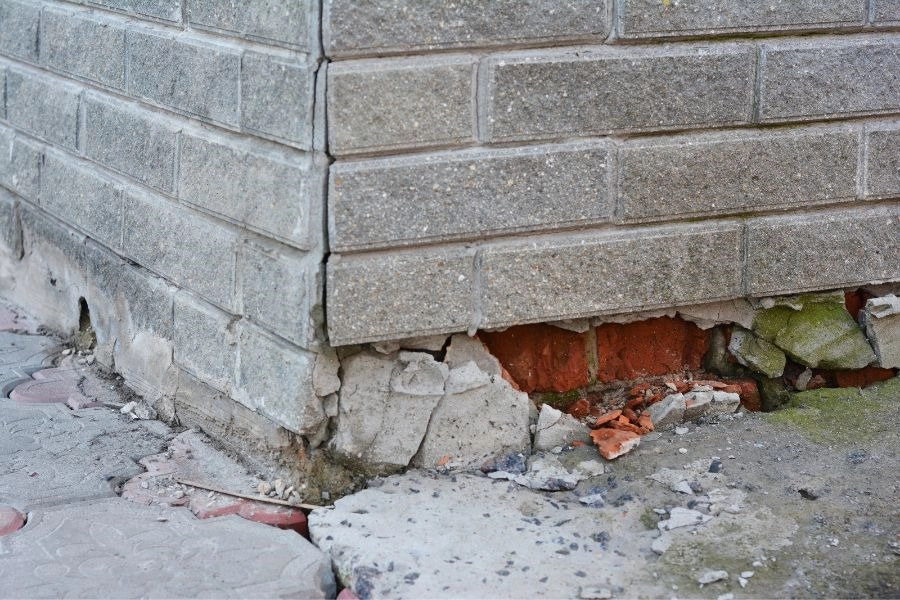
Five signs point to a sinking or shifting foundation in a Colorado home: diagonal cracks running from door and window corners, doors and windows that stick or won't latch, uneven or sloping floors, cracks in exterior brick or stucco, and gaps opening between baseboards and the floor. On the Front Range, the cause is almost always the same: expansive clay soil moving with the seasons, not a structural failure of the foundation itself.
Any one of these alone is not a certain sign of a problem; older Front Range homes settle slightly without needing repair. Two or more appearing together, or any sign that gets worse over a season, is worth a structural engineer's evaluation.
Denver-metro soil is heavy in bentonite clay, an expansive soil that swells when it absorbs water and shrinks as it dries out. That swelling and shrinking happens every year with the wet spring and dry summer and fall, and it pushes unevenly against a foundation depending on how much moisture sits under each side of the house. A home built on a well-engineered foundation with proper drainage handles this cycle for decades; one without it shows movement much sooner.
Not exactly. Expansive soil more commonly causes heaving, where part of the foundation is pushed up, alongside settling, where part of it drops. Colorado homeowners commonly use "sinking" to describe both because the visible signs, cracked drywall and uneven floors, look the same from inside the house. A structural engineer's evaluation identifies which type of movement is happening, which changes the repair method.
Colorado's standard Seller's Property Disclosure form asks directly about known foundation, structural and drainage issues, and a seller who knows about foundation movement has to disclose it. Past repairs, including who did the work and when, belong on that form as well, since a buyer's lender and inspector will ask about any repair documented in permit records.
A Colorado purchase contract includes an inspection objection deadline, a negotiated window, commonly around 10 days after acceptance, during which a buyer can raise inspection issues and negotiate repairs, a price adjustment, or termination. Foundation findings are one of the most common reasons a Front Range deal renegotiates after inspection, so both sides benefit from a structural engineer's opinion, not just the home inspector's general observation, before that deadline runs out.
| Repair type | Typical scope | Cost range |
|---|---|---|
| Pier underpinning, localized | A few piers at one corner or wall section | $2,000 to $8,000 |
| Pier underpinning, full perimeter | Piers around most of the foundation | $15,000 to $40,000+ |
| Crack injection and sealing | Non-structural cosmetic and minor cracks | $500 to $3,000 |
| Drainage and grading correction | Regrading, gutter extensions, French drains | $2,000 to $10,000 |
Yes. Structural foundation repair, including pier installation and underpinning, needs a permit reviewed against a structural engineer's stamped plan in every Front Range jurisdiction. A contractor who offers to skip the permit is a signal to find a different contractor; the permit and inspection record is exactly what a future buyer's lender wants to see.
FHA and VA appraisers flag visible structural issues, and the loan cannot close in most cases until the foundation is repaired or a structural engineer confirms the home is sound as-is. This is one of the most common reasons an FHA or VA Front Range purchase gets delayed at appraisal; see our government-backed home buying guide for how that process works.
A permitted repair with a structural engineer's letter confirming the foundation is stable reads very differently to a buyer than an undisclosed crack discovered during their own inspection. Front Range buyers who understand the region's soil are less alarmed by a documented, professionally repaired foundation than by uncertainty about whether a visible crack was ever evaluated at all. Keep every invoice, permit and engineer's report; that paper trail is what a future buyer's lender wants to see.
A yearly walk-around, checking doors, windows, drywall corners and exterior cracks, catches most changes early, and it's worth repeating after an unusually wet spring or a long dry stretch, since both extremes drive the clay soil's swelling and shrinking. Take dated photos of any crack you're watching; a crack that hasn't changed width in two years reads very differently to an engineer than one that's grown noticeably since last fall.
Settling describes the small, even movement almost every home goes through in its first years as the soil under the foundation compacts under the weight of the structure; a little hairline cracking in drywall during that period is normal. Sinking or heaving describes uneven movement, one section of the foundation moving more than another, which is what Colorado's expansive clay drives over time and what an engineer evaluates separately from normal early settling.
Age matters less than how the original foundation was engineered for the specific lot's soil and how well drainage has been maintained since. Some newer Denver-metro construction sits on well-engineered, deep-pier foundations built specifically for expansive clay, while some older homes have shallower foundations that have already gone through decades of the same freeze-thaw and wet-dry cycle. A soils report from the original construction, if it's available, tells you more than the home's age alone. Ask the listing agent whether one exists in the property file before you assume an older home is automatically higher risk.
Whether you're deciding whether to repair a foundation before listing or evaluating a Front Range home with visible foundation signs, the Kenna Real Estate Group can walk through disclosure, inspection and negotiation with you before you commit to a repair. Call or text 303-955-4220. A live person answers. Not a robot, not a phone tree. Or search every home for sale in Colorado.
Questions about any home in Colorado? Call or text 303-955-4220. A live person answers.
Expansive bentonite clay soil that swells and shrinks with seasonal moisture is the most common cause of foundation movement on the Front Range, more so than a construction defect.
Diagonal cracks wider than a quarter inch, cracks that grow over a season, or cracks paired with sticking doors and sloping floors warrant a structural engineer's evaluation.
Standard policies commonly exclude gradual settling and earth movement; coverage depends on the specific policy and cause, so review your policy language or ask your agent before assuming coverage.
Localized pier repair commonly takes a few days to a week; a full perimeter underpinning project can take several weeks depending on access and permitting.
Yes, but the issue must be disclosed on the seller's property disclosure form, and pricing commonly reflects the cost of repair or the home sells to a buyer willing to take on the work.
Yes. A letter confirming the foundation is stable after repair reassures buyers, lenders and appraisers and commonly resolves a lender's concern faster than repair records alone.
A yearly walk-around checking doors, windows, drywall corners and exterior cracks catches most changes early, especially after a wet spring or a dry late-summer stretch.


