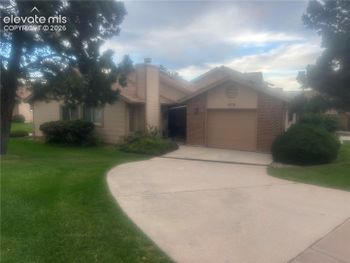
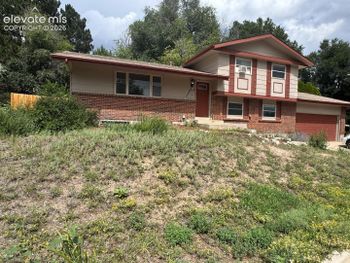
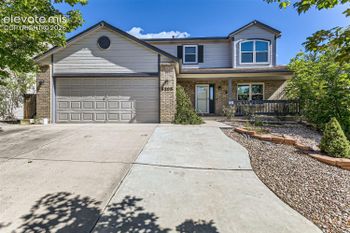
New - 30 Mins Ago

$359,900
Coming Soon
3
Beds
3
Baths
1363
Sqft
0.0469
Acres
1799 Portland Gold Dr, Colorado Springs, CO 80905
MLS#: 8973049
.jpg)


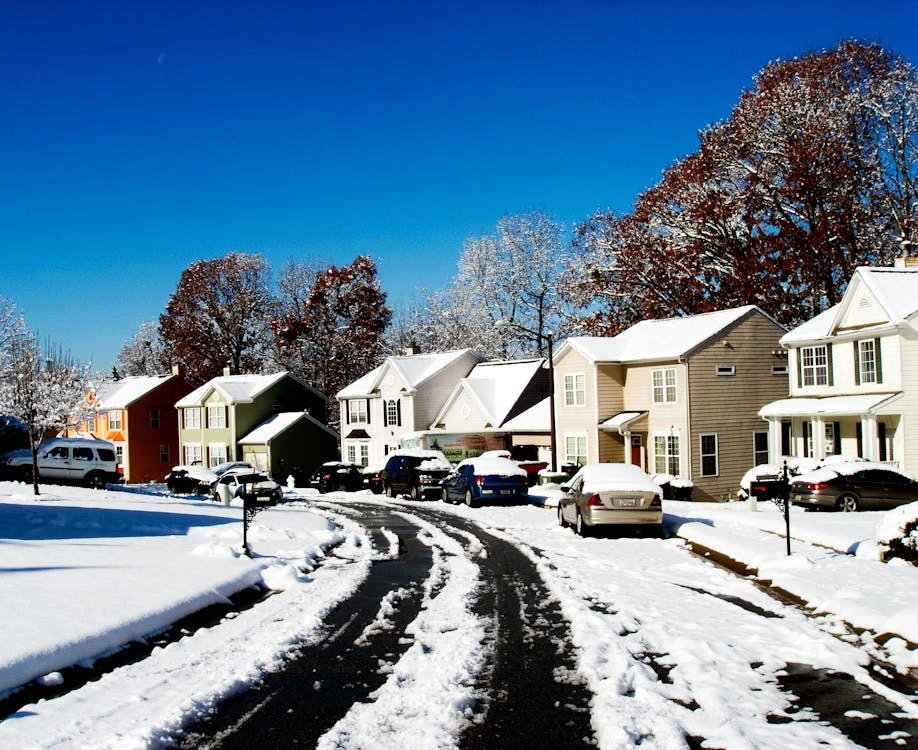
A Front Range winter means intermittent heavy snow, sudden Chinook thaws, and hard overnight freezes, sometimes within the same week. Colorado homeowners who clear snow load off flat and low-slope roofs, winterize sprinkler lines before the first hard freeze, and know their city's or HOA's snow-removal rules get through the season with fewer surprises and fewer repair bills in spring.
Snowfall varies widely by elevation and by storm track, and any single year's total can run well above or below average. What stays consistent along the Front Range is the pattern: snow arrives in bursts, frequently followed within days by a Chinook wind that melts much of it, then a hard freeze that turns the melt into ice on driveways, sidewalks and roofs. Planning for that freeze-thaw cycle matters more than planning for a specific snowfall total.
Most residential roofs are built to handle Colorado's design snow loads, but wet, heavy snow weighs far more than powder, and drifting against a parapet or a low-slope section can concentrate weight well beyond the roof's average load. Flat or low-slope roofs, common on additions, garages and some townhome designs, are the ones most apt to need manual snow removal after a heavy, wet storm.
It depends on the community type. Many condo and townhome HOAs contract snow removal for shared walkways, parking areas and sometimes driveways as part of the dues; single-family HOA neighborhoods leave driveway and sidewalk clearing to the homeowner. Check your HOA's governing documents or ask the property manager directly, since the split changes from community to community and affects your winter budget either way.
Denver, Aurora, Lakewood, Littleton, Centennial and Colorado Springs each set a deadline for clearing sidewalks after snowfall stops, commonly within 24 hours, with fines for homes that don't comply. Check your specific city's public works page each fall, since the deadline and the fine schedule differ by city.
Disconnect and drain garden hoses, install insulated covers on exterior hose bibs, and confirm any exposed pipe in an unheated garage or crawlspace is insulated before the first hard freeze, which along the Front Range can arrive as early as October. A burst hose bib or exposed pipe is one of the most common and most avoidable winter insurance claims in Colorado.
A Chinook wind can push temperatures up 30 to 40 degrees in a matter of hours, melting snow and ice on a driveway during the day. When temperatures drop back below freezing overnight, that meltwater refreezes into a harder, glassier layer of ice than the original snowfall, which is why Front Range driveways frequently feel most treacherous a day or two after a storm, not during it.
A single-visit residential driveway plow runs $40 to $100 depending on driveway size and snow depth, while a seasonal contract with an unlimited-visit plan runs several hundred to over a thousand dollars for the winter. For ongoing clearing, homeowners along the Front Range frequently turn to snow clearing services that schedule automatically after qualifying snowfall totals, which removes the need to call after every storm.
Magnesium chloride, the deicer Colorado's transportation departments spray before storms, tracks into garages on tires and can accelerate spalling on unsealed concrete over repeated winters. Rinsing the garage floor and the lower few feet of a concrete driveway periodically through the season, and sealing concrete every few years, reduces the damage.
Shut off the irrigation system's water supply and have the lines blown out with compressed air before the first hard freeze, commonly by mid-October along the Front Range. Water left in a sprinkler line expands when it freezes and can crack valves, backflow preventers and pipe fittings, all of which cost more to replace than a blowout service costs to schedule.
Ice dams form when heat escaping from the attic melts snow on the upper roof, which then refreezes at the colder eave and backs water up under the shingles. Proper attic insulation and ventilation keep the whole roof surface closer to outdoor temperature, which is the most effective long-term fix; roof rakes that remove snow from the lower few feet of roof after a storm are the short-term fix.
Listings still sell through the winter along the Front Range, though buyer traffic commonly slows around the holidays and picks back up in late January and February. A well-cleared driveway and walkway, working exterior lighting, and a warm, well-lit interior matter more to a winter showing than they do in July, when curb appeal carries more of the first impression on its own.
Winter showings reveal how a furnace actually performs, whether windows and doors seal against drafts, and whether the driveway and walkways drain and clear properly. Ask for the furnace's age and last service date, and check for ice buildup at the eaves, which can point to attic insulation or ventilation gaps that won't be obvious in a summer walkthrough. The Colorado Home Buyer's Guide covers what to check on any season's showing before writing an offer.
Roof collapse or structural damage from excessive snow load is covered under a standard Colorado homeowners policy, but insurers expect reasonable maintenance, like clearing a known flat-roof section after a heavy storm. Document any roof damage with photos before and after clearing snow, the same way you would for a hail claim.
Keep gutters clear of ice and debris, address any ice-dam signs promptly, and don't let unaddressed roof leaks sit through an entire winter before repair. Small water intrusion issues that start in December and go unnoticed until spring turn into far more expensive drywall, insulation and mold remediation work by the time they're found. A five-minute walk around the exterior after every major storm catches most of this before it becomes a repair bill.
Shopping for a Front Range home during winter, or getting one ready to list before spring traffic picks up, the Kenna Real Estate Group can walk you through what a winter showing reveals that a summer one doesn't. Call or text 303-955-4220. A live person answers. Not a robot, not a phone tree. Or search every home for sale in Colorado. For ongoing clearing this season, some homeowners also set up standing snow clearing services before the first storm hits rather than after.
Questions about any home in Colorado? Call or text 303-955-4220. A live person answers.
As early as mid-October in some years. Winterize sprinklers and exposed pipes before then rather than waiting for a forecast.
The homeowner or property owner, under a city ordinance that requires clearing within a set window after snowfall stops, commonly 24 hours.
No. Coverage depends on the community; many condo and townhome HOAs include shared-area plowing in dues, while single-family HOA neighborhoods leave driveways to the homeowner.
Heat escaping from the attic melts snow on the upper roof, which refreezes at the colder eave and can back water up under the shingles. Attic insulation and ventilation are the long-term fix.
Yes, under a standard policy, though insurers expect reasonable maintenance like clearing known flat-roof sections after a heavy storm.
Repeated exposure can accelerate spalling on unsealed concrete. Rinsing the driveway periodically and sealing it every few years reduces the damage.
Yes, though buyer traffic commonly slows around the holidays and picks back up in late January and February along the Front Range.