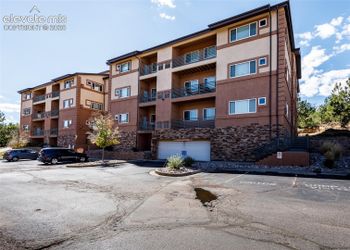
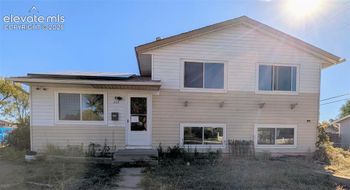
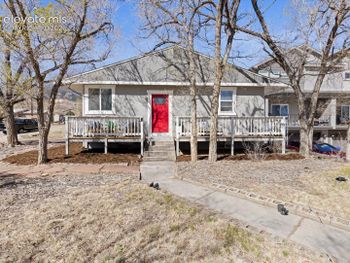
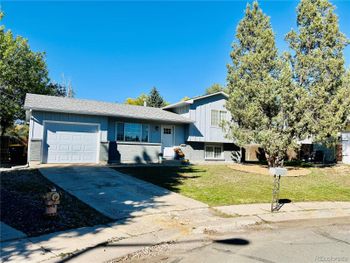
New - 5 Hours Ago
$649,900
Active
4
Beds
3
Baths
2861
Sqft
0.1261
Acres
2819 Grand Prix Ct, Colorado Springs, CO 80922
MLS#: 8633741
.jpg)


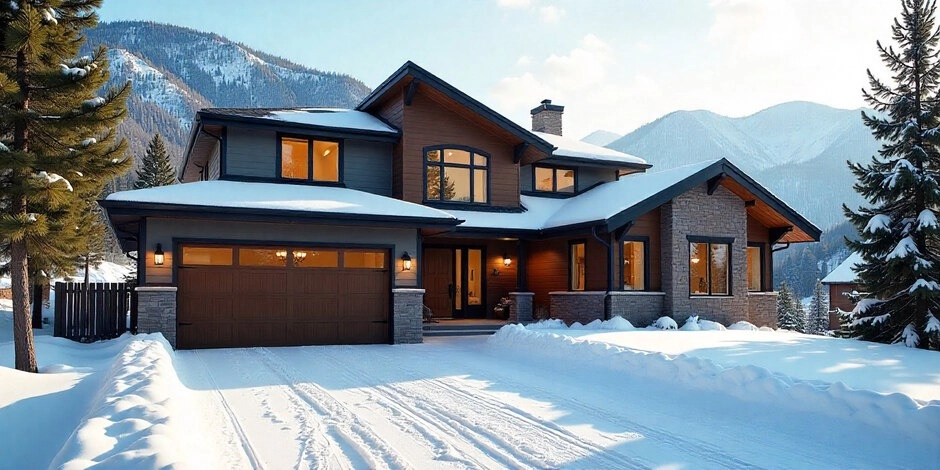
Snow and ice do more than slow down a Front Range morning commute. Left unmanaged, they create liability for owners and landlords, wear down a home's exterior faster than any other season, and shape how buyers judge a property the moment they pull up.
Denver's municipal code requires property owners to clear snow and ice from public sidewalks bordering their property within 24 hours of a snowfall. Failing to clear a walk creates real exposure: a slip and fall on an uncleared sidewalk or driveway can lead to a claim against the homeowner, and Colorado premises liability law holds property owners responsible for hazards they knew about or should have known about. Aurora, Lakewood and Colorado Springs each carry their own version of this rule, so check the specific ordinance for your city.
The Front Range gets more freeze-thaw cycles each winter than almost any other part of the country, because a 60-degree afternoon can follow an overnight low in the teens within the same week. Water that seeps into small cracks in a driveway, walkway or foundation wall expands as it freezes, widening the crack every time the cycle repeats. A driveway with hairline cracks in October can have a section heaving by March if water is not kept out of them. Sealing driveway cracks before the first hard freeze and keeping grading sloped away from the foundation limits how much damage the cycle does each winter.
| Community type | What's included | What's the owner's job |
|---|---|---|
| Single-family HOA | Common areas, sometimes street frontage | Driveway, front walk, sidewalk |
| 55+ patio home community | Driveway, walk and sidewalk are included in the HOA fee for most of these communities | Deck or patio, if attached |
| Condo or townhome | Parking areas, common walkways, building entries | Private patio or balcony, if any |
Coverage varies by community even within the same city, so check the specific HOA covenants rather than assuming based on the community type. Many 55+ communities across the Denver metro specifically include driveway and walk clearing in the HOA fee since it matters more for residents who want to avoid shoveling themselves; confirm this directly with the HOA before buying if it factors into your decision.
A single-family homeowner paying for on-call driveway and walk clearing pays $30 to $75 per visit in most cases, or $300 to $800 for a seasonal contract covering an average driveway. Larger properties, HOAs and rental portfolios negotiate per-lot seasonal contracts that run higher depending on square footage and how many storms the winter brings.
Colorado Department of Transportation and most Front Range cities use magnesium chloride to de-ice roads, and many private contractors use it on driveways and walks too. It works well against ice, but it also corrodes untreated metal, discolors concrete and stresses plants near where it splashes or is tracked. Rinse concrete driveways and walks in early spring once the season of application ends, and keep de-icer off wood decking and untreated metal railings where possible.
Front Range snow runs heavy and wet, especially in spring storms, and a roof that handles dry powder fine can strain under a heavy, wet March snowfall. Watch for sagging in a flat or low-slope roof section, ice dams forming at the eaves, and water stains appearing on ceilings after a big melt. Clearing heavy snow from a flat roof and keeping gutters clear before the first snowfall reduces ice dam risk through the rest of the season.
Front Range sprinkler systems need a professional blowout, compressed air pushed through the lines to clear standing water, before the first hard freeze, scheduled in October in most years. Skipping this step lets water sit in the lines and crack pipes and sprinkler heads underground, a repair that costs more than the blowout itself in most cases. Indoors, insulate exposed pipes in crawlspaces, unheated garages and exterior walls, and keep cabinet doors under sinks open on the coldest nights so warm air reaches the plumbing.
Colorado's warranty of habitability requires landlords to keep a rental property sound and functional, which extends to walkways and entries a tenant needs to access the unit. A lease should spell out who handles snow removal for a single-family rental; for a multi-unit property, that responsibility stays with the owner or property manager in nearly every lease. Clear written terms in the lease prevent disputes when the first storm hits.
A home listed on the Front Range in December through February still gets showings, and buyers judge winter upkeep the same way they judge a summer lawn. A cleared driveway and walk, a shoveled path to the front door and a roof free of ice dams signal a well-maintained property; a snow-packed walk or icicles hanging from the gutter suggest deferred maintenance before a buyer even steps inside. Owners planning a spring listing benefit from keeping winter maintenance current through the off-season rather than catching up all at once before photos.
Many newer Front Range subdivisions, in areas like Castle Rock, Commerce City and parts of Aurora, sit inside a metro district rather than under direct city services. Metro districts handle street plowing and, in some communities, shared-area sidewalk clearing through a special property tax, separate from the county's arterial road plowing. Ask what your metro district covers for snow removal before assuming the city handles it, since gaps between metro district responsibility and homeowner responsibility are a common surprise for buyers new to the Front Range; the Denver special district and metro district tax guide explains how these districts work and what the fee pays for.
Owners who keep this checklist on a calendar year to year spend less on emergency repairs than those who address winter damage only after it shows up as a leak, a crack or a claim.
The Kenna Real Estate Group helps Front Range owners and landlords understand how winter upkeep affects a home's condition and value, whether you are staying put or getting ready to list. Call or text 303-955-4220. A live person answers. Not a robot, not a phone tree. Curious what's on the market right now? Search every home for sale in Colorado.
Questions about any home in Colorado? Call or text 303-955-4220. A live person answers.
The property owner, within 24 hours of snowfall under Denver's municipal code. Aurora, Lakewood and Colorado Springs each have their own version of this deadline, so check your city's rule directly.
About $30 to $75 per visit for a single driveway, or $300 to $800 for a seasonal contract covering an average home. Larger properties and HOAs negotiate seasonal rates separately.
Many 55+ patio home communities include driveway and walk clearing in the HOA fee, but coverage varies by community, so confirm directly with the HOA's covenants rather than assuming.
Water in small cracks expands each time it freezes and contracts each time it thaws, and the Front Range cycles through freezing and thawing more times per winter than most regions, widening cracks over a season.
It corrodes untreated metal, discolors concrete and can stress plants nearby. Rinsing driveways and walks in early spring limits the buildup once the season of application ends.
Yes, a professional blowout that clears water from the lines with compressed air, scheduled in October in most years, prevents cracked pipes and sprinkler heads underground.
Colorado's warranty of habitability requires landlords to keep a rental's access ways sound and functional. Lease terms should spell out who clears snow, especially for single-family rentals.
Yes. A cleared driveway, shoveled walk and a roof free of ice dams signal good maintenance to buyers, while a snow-packed entry suggests deferred care before they even step inside.