New - 10 Hours Ago

$950,000
Active
6
Beds
4
Baths
3641
Sqft
0.22
Acres
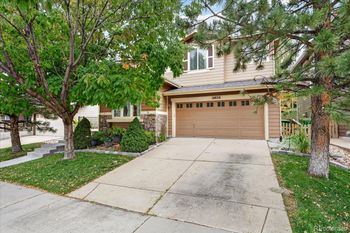
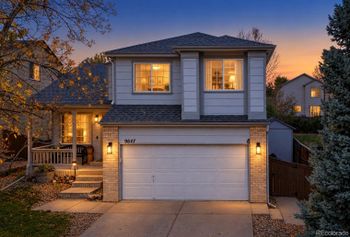
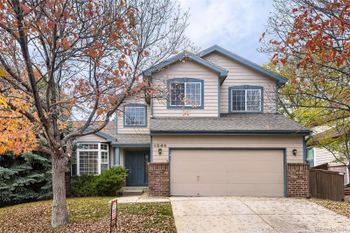
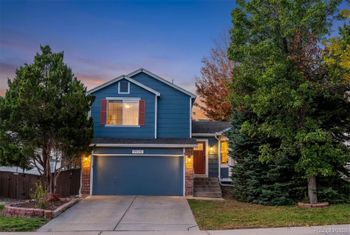
1384 Shadow Mountain Dr, Highlands Ranch, CO 80126
MLS#: 5872645
.jpg)


Colorado's expansive clay soil swells when it gets wet and shrinks when it dries out, and that seasonal movement is the single biggest driver of foundation cracks and settlement on the Front Range. Keeping water moving away from the foundation year-round, not just after a storm, is the maintenance task that prevents the most expensive repairs.
Bentonite and other expansive clays are common under Denver, Aurora, Highlands Ranch, Castle Rock and much of the I-25 corridor. These soils can expand several inches when they absorb water and contract just as much when they dry out, and that cycle repeats every year with spring snowmelt and summer heat. A foundation sitting on that movement needs consistent, even moisture around it, not alternating soaking and drought at the perimeter.
A single hairline crack under an eighth of an inch is common and cosmetic in most cases. Cracks wider than a quarter inch, stair-step cracks in block foundations, or any crack that is actively growing are worth a professional evaluation.
Colorado's freeze-thaw cycle, where temperatures swing from below freezing overnight to 50 or 60 degrees by afternoon, is one of the most active in the country. Water that gets into a small foundation crack expands as it freezes and widens the crack further with every cycle. Sealing minor cracks before winter and keeping gutters clear reduces how much water is available to freeze in the first place.
The ground around your foundation should slope away from the house at roughly 6 inches of drop over the first 10 feet. Regrading, extending downspouts 4 to 6 feet from the foundation, and directing sprinkler heads away from the foundation wall are the lowest-cost fixes for the moisture swings that drive clay soil movement. This matters as much in July, when lawn irrigation is the main water source near the foundation, as it does during spring snowmelt.
Many foundation repair contractors recommend a soaker hose run at a consistent low level around the foundation perimeter during Colorado's hot, dry summer stretches, to keep expansive soil from drying out and pulling away from the foundation wall. This is the opposite instinct of avoiding water near a foundation, but it is specific to expansive clay conditions and is worth asking a foundation repair and basement waterproofing company about for your soil type.
Sealing and monitoring minor cracks runs a few hundred dollars. Installing helical or push piers to stabilize a settling foundation runs $1,000 to $3,000 per pier, with most Front Range homes needing 6 to 12 piers depending on the extent of settlement, putting a full stabilization project in the $10,000 to $30,000 range. Getting ahead of small movement with drainage and grading fixes is far cheaper than pier installation after settlement is advanced.
If the home shows any visible cracking, sloping floors or a history of water intrusion, a pre-listing foundation inspection lets you address it or disclose it accurately, rather than have it surface during the buyer's inspection and threaten the deal during the inspection objection period. A clean foundation report is also useful backup for your Smart Pricing Report conversation about listing price.
Older clay or Orangeburg sewer lines common in pre-1970 Denver, Aurora and older Colorado Springs neighborhoods are prone to root intrusion and the same expansive-soil movement that affects foundations, since a shifting foundation and shifting yard soil both stress the sewer line running underneath. A sewer scope, $200 to $400, is now a standard part of due diligence in many Front Range transactions and catches a problem that is expensive to negotiate after an accepted offer.
Colorado sits in the EPA's highest radon potential zone, Zone 1, and radon enters primarily through foundation cracks and gaps around basement penetrations. A well-maintained, well-sealed foundation reduces radon entry points along with moisture entry points, so foundation maintenance and radon mitigation work together rather than as separate projects. Radon testing is inexpensive, $150 to $250 for a short-term test, and worth doing regardless of foundation condition.
Many Front Range HOAs and metro districts set rules on grading, drainage easements and what homeowners can alter near shared property lines. Before regrading or installing a French drain, check your HOA governing documents, since some communities require approval for exterior drainage work, and metro districts sometimes own the drainage infrastructure your yard ties into.
Structural foundation repair, including pier installation and underpinning, requires a building permit from the city or county, with inspection sign-off before the work can be disclosed as code-compliant on a future sale. Denver, Aurora, Lakewood and most Front Range jurisdictions require this regardless of whether the work is visible from the exterior.
Twice a year at minimum: once in late spring after cottonwood season and pollen drop clog the screens, and once in fall after leaf drop and before the first hard freeze. Homes near mature trees on the Front Range need a mid-summer check as well, since clogged gutters that overflow directly onto the foundation are one of the most preventable causes of basement moisture.
An unencapsulated crawl space lets ground moisture rise directly into the home, raising humidity against the foundation walls and wood framing above it. Encapsulation, ventilation and a dehumidifier are standard fixes, and a sump pump with a battery backup is worth having in any Front Range basement given how quickly spring snowmelt and summer hailstorms can raise groundwater.
Indirectly, yes. A well-maintained HVAC system keeps indoor humidity stable, which reduces the moisture swings that stress framing and finishes near the foundation. Change filters every 1 to 3 months and schedule annual servicing, especially before Colorado's high-heat late-summer stretch and before the first cold snap of the season.
The Kenna Real Estate Group walks Front Range sellers through which maintenance items, including foundation and drainage issues, are worth addressing before a listing goes live and which are fine to disclose. Ask for the printable maintenance checklist in the form below and we email it the same day. Call or text 303-955-4220. A live person answers. Not a robot, not a phone tree. See what's on the market right now at search every home for sale in Colorado.
Questions about any home in Colorado? Call or text 303-955-4220. A live person answers.
Expansive bentonite clay common along the Front Range swells when wet and shrinks when dry, and that seasonal movement puts uneven pressure on a foundation that sits on top of it.
Helical or push piers run $1,000 to $3,000 each, and most Front Range homes needing stabilization use 6 to 12 piers, putting a full project in the $10,000 to $30,000 range.
Many foundation contractors recommend a consistent low-level soaker hose around the perimeter during hot, dry stretches to keep expansive clay soil from drying out and pulling away from the foundation wall.
Yes, it is now standard due diligence. Older clay or Orangeburg sewer lines are prone to root intrusion and the same soil movement that affects foundations, and a scope runs $200 to $400.
Colorado is in EPA Radon Zone 1, the highest risk category, and radon enters mainly through foundation cracks and basement penetrations, so a well-sealed foundation reduces radon along with moisture entry.
Hairline cracks under an eighth of an inch are cosmetic in most cases. Cracks wider than a quarter inch, stair-step cracks in block foundations, or any actively growing crack should get a professional evaluation.
Yes, structural repair including pier installation requires a building permit and inspection sign-off before the work can be disclosed as code-compliant on a future sale.
At least twice a year, after cottonwood season in late spring and after leaf drop in fall, since overflowing gutters directly onto the foundation are a leading preventable cause of basement moisture.