New - 8 Hours Ago
$564,300
Active
2
Beds
2
Baths
2094
Sqft
0.11
Acres
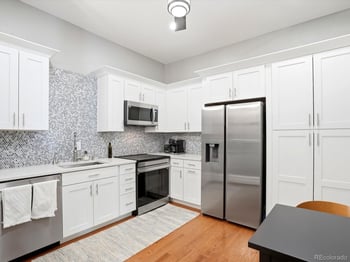
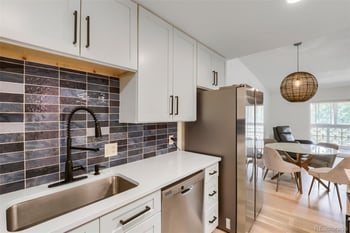
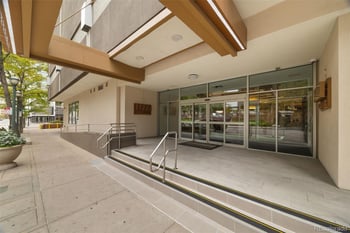
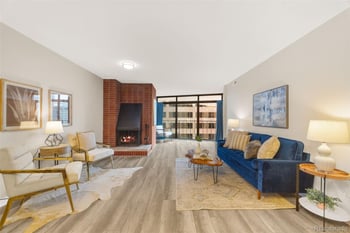
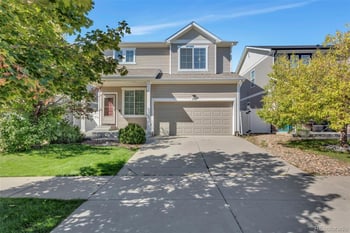
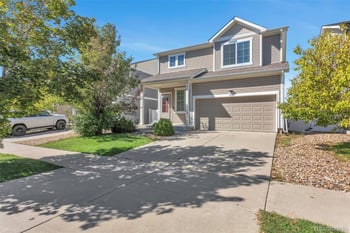
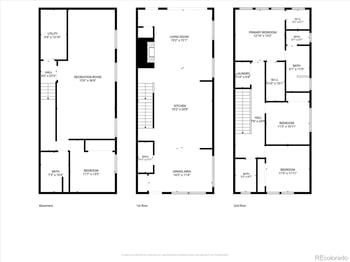
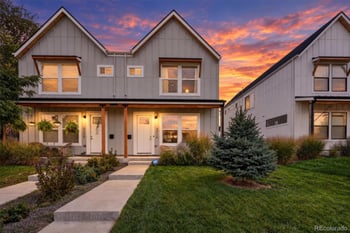
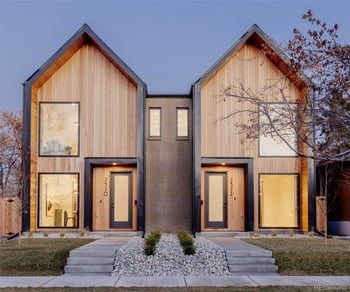
8080 E Dartmouth Ave #33, Denver, CO 80231
MLS#: REC4456908
.jpg)


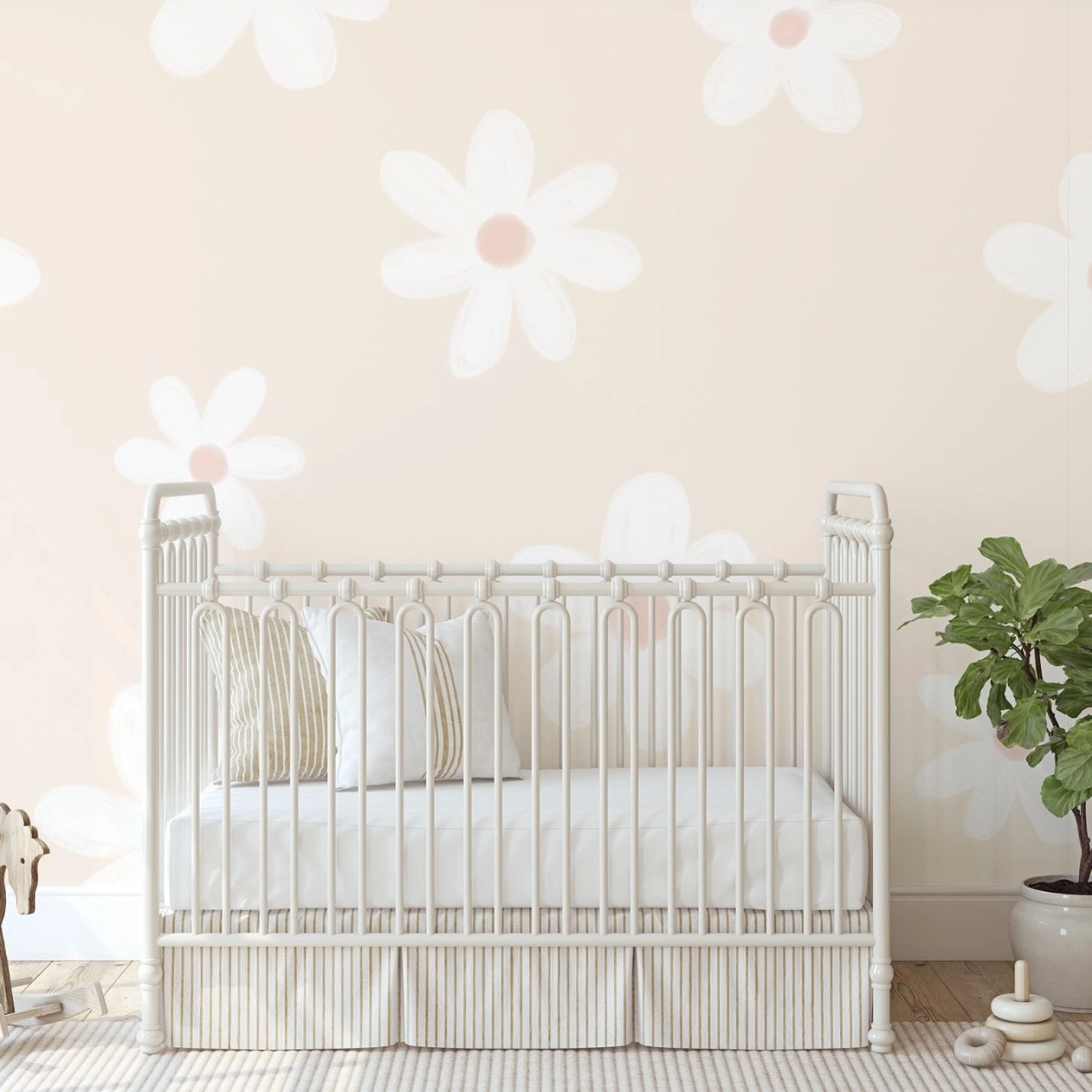
Peel-and-stick wallpaper updates a single wall or small room for $50 to $200 in materials, which makes it one of the fastest, lowest-cost ways a Front Range seller can refresh a dated space before listing photos. It is not a replacement for paint across a whole home, but used correctly on one feature wall, a powder room, or a laundry nook, it does more for a listing photo than the same dollars spent almost anywhere else.
Used well, yes. A single well-chosen accent wall gives a listing photo a point of visual interest without the cost or time of a full paint job, which matters most in secondary spaces like a powder room, laundry room, or a small home office that otherwise photographs flat and forgettable.
| Project | Material cost | Time |
|---|---|---|
| Peel-and-stick, one accent wall | $50 to $150 | 2 to 4 hours |
| Peel-and-stick, small powder room | $80 to $200 | Half a day |
| Paint, one accent wall | $40 to $90 | 1 day plus dry time |
| Traditional pasted wallpaper, one room | $300 to $900 installed | 1 to 2 days |
Yes. Colorado's low humidity and the daily temperature swings common on the Front Range can weaken the adhesive backing on lower-quality peel-and-stick products faster than in a humid climate, which shows up first as lifted seams and corners. A textured or heavily patterned wall covering such as a peel and stick fish wallpaper holds better on a clean, primed, non-textured wall than on raw drywall or old paint.
One accent wall almost always outperforms a full room before a sale. A single wall limits the pattern's visual weight, keeps material cost under $150, and gives a buyer's eye somewhere to land without overwhelming the room's sense of space in listing photos.
A quality peel-and-stick product properly applied to a clean, primed wall holds for 2 to 5 years indoors. In Colorado's dry climate, seams are the first place to watch; smoothing every seam firmly during installation and avoiding bathrooms with heavy steam exposure extends how long it looks new for showings.
Wallpaper in good condition on a single accent wall or small room does not need to come down before listing. Wallpaper that is peeling, yellowed, or covers a full room in a dated or heavily personal pattern, such as a decades-old floral print in a primary bedroom, should come down before photos.
A bold, busy pattern across an entire room reads as a project a buyer has to undo, which some buyers factor directly into their offer. A single accent wall in a neutral or nature-inspired pattern reads as a design choice instead of a liability, which is the difference between wallpaper that helps and wallpaper that hurts.
Front Range homes can swing 30 to 40 degrees between a cold morning and a sunny afternoon, and a room with direct west-facing sun exposure heats and cools faster than an interior room. Install peel-and-stick wallpaper in a temperature-stable room when possible, and let a newly painted or primed wall cure for at least a week before applying wallpaper over it.
Remove old wallpaper rather than paint over it. Paint applied directly over old wallpaper seams can bubble as the wall breathes through daily temperature and humidity changes, and a bubbling seam under fresh paint reads as a bigger problem to a buyer than the original wallpaper did.
A themed wall covering, such as a kids bedroom dino-themed wallpaper, is easy to remove before listing since peel-and-stick products come off cleanly from a properly primed wall. Leave a themed accent wall up for showings only if the rest of the room reads as a flexible, neutral bedroom rather than a single child's space.
Professional removal of old pasted wallpaper runs $1 to $3 per square foot in the Denver metro, or roughly $200 to $600 for an average bedroom, depending on how many layers are on the wall and whether the wall needs skim-coating afterward. DIY removal is possible with a scoring tool and a wallpaper-removal solution, but skim-coating afterward is worth hiring out for a clean paint-ready surface.
Skip peel-and-stick on textured walls, walls with active moisture issues, and any surface a buyer's inspector wants unobstructed for a clear view, such as around a water heater or electrical panel. Freshly painted walls need a full cure, two to four weeks in most cases, before wallpaper adhesive will hold reliably.
No, Colorado's seller property disclosure form covers known defects in systems and structure, not decorative finishes like wallpaper. Wallpaper hiding a wall defect, such as water staining or a crack, does need disclosure, since that points to the underlying issue rather than the wallpaper itself.
Paint updates a whole room evenly for broad buyer appeal; wallpaper creates a single focal point at a lower cost. The strongest pre-listing strategy on the Front Range combines both: neutral paint through the main living areas and one or two wallpaper accent walls in secondary spaces where a bit of personality photographs well instead of working against the sale.
Front Range homes see the biggest indoor humidity swings between the dry winter heating season and the more humid summer weeks, and adhesive holds most consistently when applied during a stretch of stable indoor temperature rather than right after the furnace or air conditioning cycles on for the first time that season. If a seller is timing a listing for spring or fall, installing wallpaper a few weeks ahead gives the adhesive time to fully set before showings start.
The Kenna Real Estate Group tells Front Range sellers exactly which rooms are worth a quick wallpaper or paint refresh and which upgrades to skip before listing. Ask for the printable pre-listing staging checklist in the form below and we email it the same day. Call or text 303-955-4220. A live person answers. Not a robot, not a phone tree. Ready to see what is already on the market? Search every home for sale in Colorado.
A quality peel-and-stick product removes cleanly from a properly primed, painted wall when the paint has fully cured first, two to four weeks after painting in most cases.
Between $50 and $150 in materials for a standard bedroom or powder room wall, plus a few hours of labor if a seller does it themselves.
It changes technique more than difficulty; adhesive sets faster in low humidity, so working in smaller sections and smoothing seams firmly matters more here than in a humid climate.
Remove wallpaper that is peeling, dated, or covers a full room in a bold pattern. Leave a single, well-maintained accent wall in good condition.
A powder room without a shower works well for wallpaper; a full bathroom with steam exposure from a shower shortens how long peel-and-stick adhesive holds at the seams.
Not if it comes down before listing. Peel-and-stick themed wallpaper removes cleanly, letting the room show as a flexible, neutral bedroom in photos.
Roughly $1 to $3 per square foot in the Denver metro, or $200 to $600 for an average bedroom, depending on layers and whether skim-coating is needed afterward.
No, unless the wallpaper is hiding a wall defect like water staining or a crack, in which case the underlying defect needs disclosure.