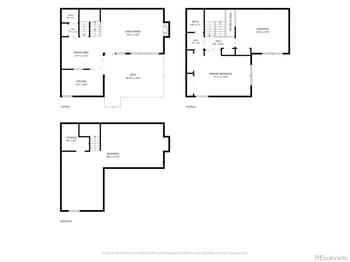
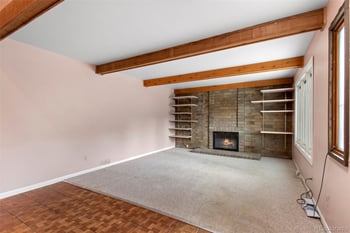
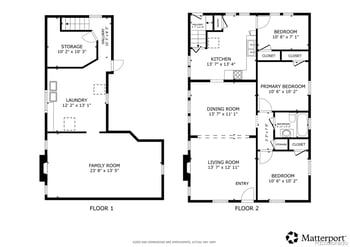
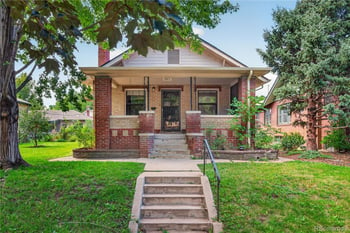
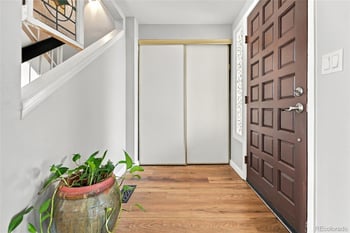
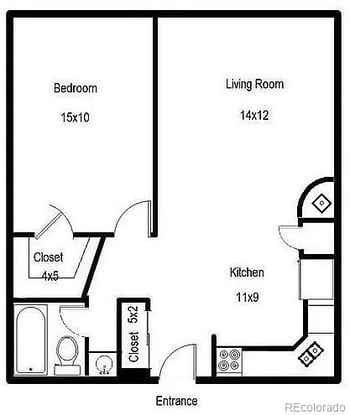
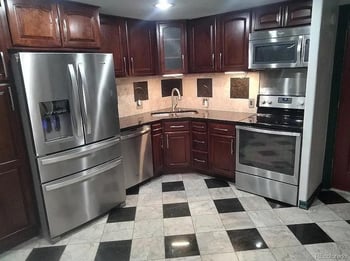
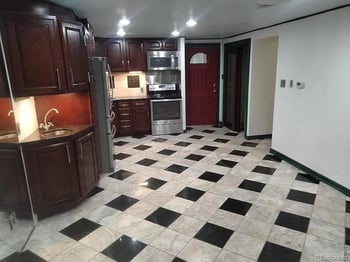
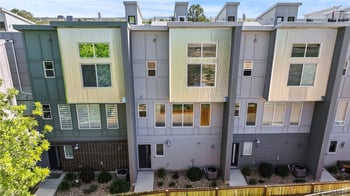
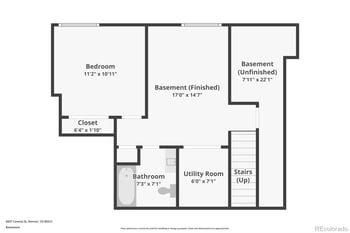
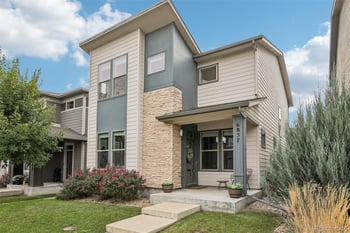
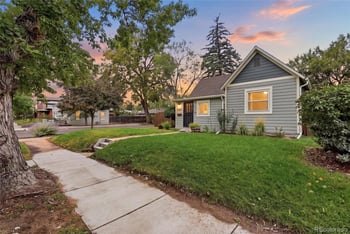
New - 2 Hours Ago



$1,000,000
Coming Soon
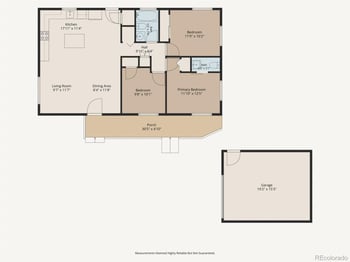
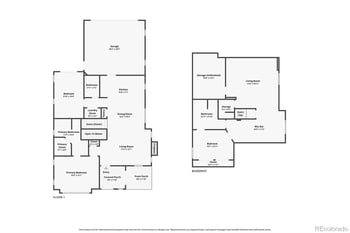
3
Beds
3
Baths
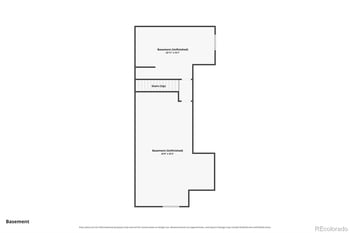
1852
Sqft
0.07
Acres
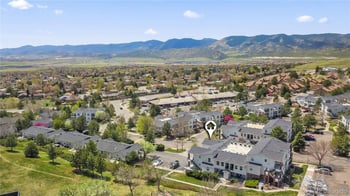
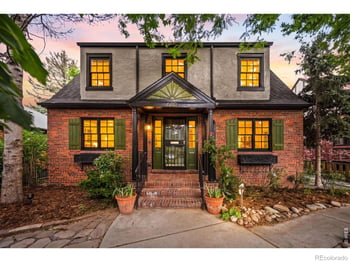
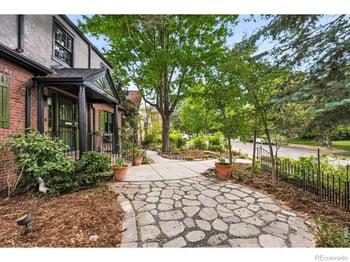
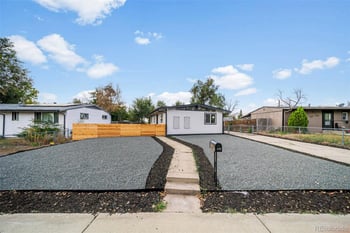
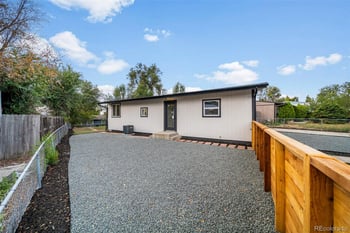
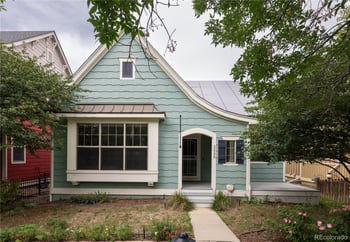
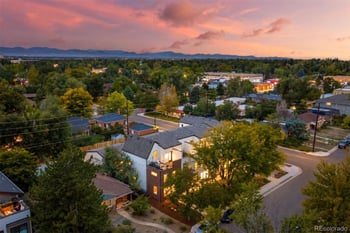
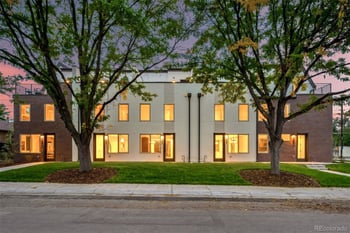
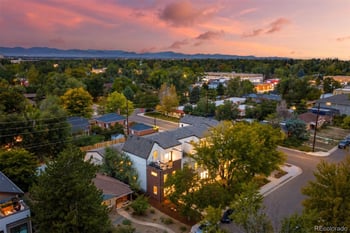
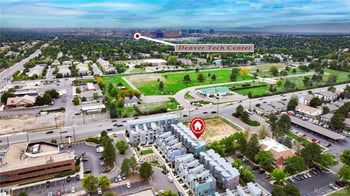
3141 W Denver Pl, Denver, CO 80211
MLS#: REC4839441
.jpg)


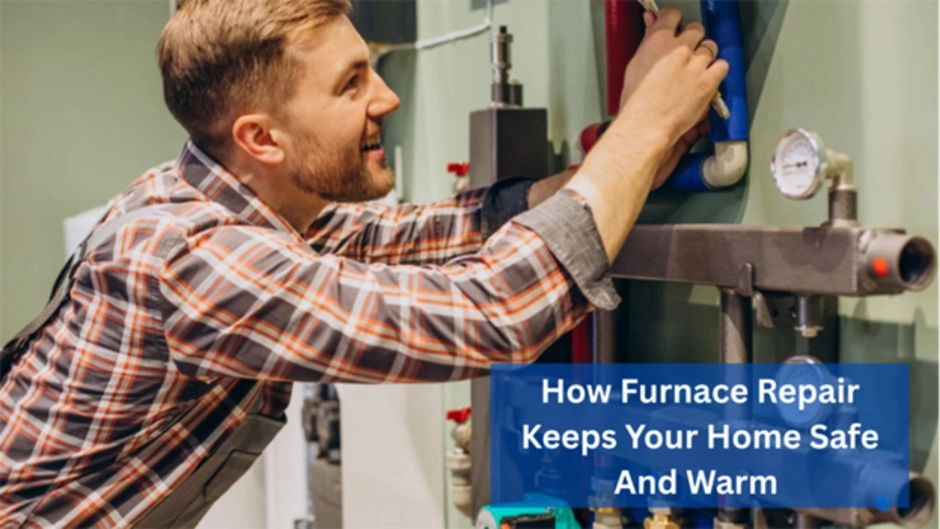
A furnace repair protects two things at once in a Colorado home: comfort through a Front Range winter and protection from carbon monoxide, which a poorly maintained heat exchanger or a cracked flue can release. Knowing which repairs are routine, which signal a bigger problem, and what the law requires keeps a homeowner ahead of both.
The most common Front Range furnace calls are a failed igniter, a dirty flame sensor, a cracked heat exchanger, and a clogged filter that overworks the blower motor. Denver's dry climate also means dust and pet hair build up in filters faster than in humid climates, so a filter changed every 60 to 90 days cuts down on several of these calls before they happen.
| Repair | Front Range cost |
|---|---|
| Igniter replacement | $150 - $350 |
| Flame sensor cleaning or replacement | $100 - $250 |
| Blower motor replacement | $350 - $700 |
| Heat exchanger replacement | $1,200 - $2,800 |
| Full diagnostic and tune-up | $100 - $180 |
Replace it when the repair costs more than 40% of a new unit's installed price, or when the furnace is past 18 years old and the repair involves the heat exchanger. Under that threshold, most Denver metro furnaces are worth repairing, especially a blower motor or igniter issue on a unit under 12 years old.
Colorado law (C.R.S. 38-45-101) requires a carbon monoxide alarm within 15 feet of every bedroom in a home with a fuel-burning appliance, a fireplace or an attached garage, and it applies at the time of sale. A furnace repair visit is a practical time to test or replace existing CO alarms, since a technician is already in the mechanical space.
A cracked heat exchanger lets combustion gases, including carbon monoxide, leak into the air a furnace circulates through the home instead of venting outside through the flue. Annual tune-ups catch this early with a combustion analyzer test; a homeowner who skips service for several winters loses that early-warning check. Working CO alarms, tested twice a year, protect the household between service visits.
A furnace set up correctly for Denver's 5,280-foot elevation, with the manifold pressure adjusted for altitude, runs at the rate manufacturers intend and does not need more frequent repair than a sea-level furnace. A furnace installed without that adjustment runs hot and wears out its igniter and flame sensor sooner, which shows up as more frequent service calls over the unit's life.
Same-day and emergency service is standard across the Denver metro during a hard freeze, though response windows stretch during the first cold snap of the season when every HVAC company's phone rings at once. First Mate Heating and Air and other local contractors prioritize no-heat calls; scheduling the annual tune-up in September, before the rush, avoids the wait entirely.
Yes. Colorado's warranty of habitability requires a landlord to restore heat within a reasonable time after written notice from the tenant, and a Colorado winter turns a slow response into an emergency fast. Property owners running a Front Range rental should have a service contractor on call before the heating season starts, not after the first no-heat complaint.
Yes. A folder of service receipts shows a buyer's inspector and agent that the furnace was maintained rather than run until it failed, which supports the seller's position during the inspection objection period. Pair that record with the Preparing and Adding Value Before Selling guide to decide what else is worth fixing before listing.
A full diagnostic checks the heat exchanger for cracks, tests the igniter and flame sensor, measures manifold gas pressure against altitude specifications, inspects the flue and venting, and replaces the filter. A technician doing a furnace repair service visit should walk through each of these steps and note the results in writing for the homeowner's records.
Yes, especially on a Front Range home built before 2005, where the furnace has a real chance of being original equipment. A buyer's agent can build a furnace evaluation into the standard home inspection and raise any findings inside the inspection objection deadline the contract sets, commonly 7 to 10 days after acceptance.
A Smart Pricing Report factors furnace age and documented condition into the recommended list price alongside comparable sales, so a well-maintained system supports a stronger number and a shorter negotiation once the buyer's inspection comes back.
Yes. A forced-air furnace repair centers on the burner, igniter, blower and heat exchanger, while a boiler repair in an older Denver bungalow or Capitol Hill duplex more commonly involves the circulator pump, zone valves or the near-boiler piping. Boiler parts cost more and take longer to source than standard furnace parts, so a boiler repair quote of a week or more during a Front Range cold snap is not unusual; a working backup heat plan matters more for a home on hot-water heat.
The Kenna Real Estate Group helps Front Range sellers document a furnace's condition for resale and helps buyers build a fair inspection request around an older system. Call or text 303-955-4220. A live person answers. Not a robot, not a phone tree. Or search every home for sale in Colorado.
Questions about any home in Colorado? Call or text 303-955-4220. A live person answers.
A failed igniter or a dirty flame sensor, both under $350 to fix, followed by blower motor issues on units past 10 years old.
$100 to $350 for most common repairs like an igniter or flame sensor; $1,200 to $2,800 for a heat exchanger, which points toward replacement more than repair.
C.R.S. 38-45-101 requires a carbon monoxide alarm within 15 feet of every bedroom in a home with a fuel-burning appliance, a fireplace or an attached garage, applying at the time of sale.
Yes, a cracked heat exchanger can let combustion gases leak into circulated air; annual tune-ups with a combustion analyzer test catch this early.
Yes, the warranty of habitability requires a landlord to restore heat within a reasonable time after written notice from the tenant.
Replace it when the repair costs more than 40% of a new unit's installed price, or the furnace is past 18 years old and the issue is the heat exchanger.
Only when the unit was not set up for elevation at install; a furnace adjusted correctly for 5,280 feet runs at its intended rate.
Yes, particularly on a home built before 2005, and any findings should go into the inspection objection period the contract sets.