New - 1 Day Ago
.jpg)


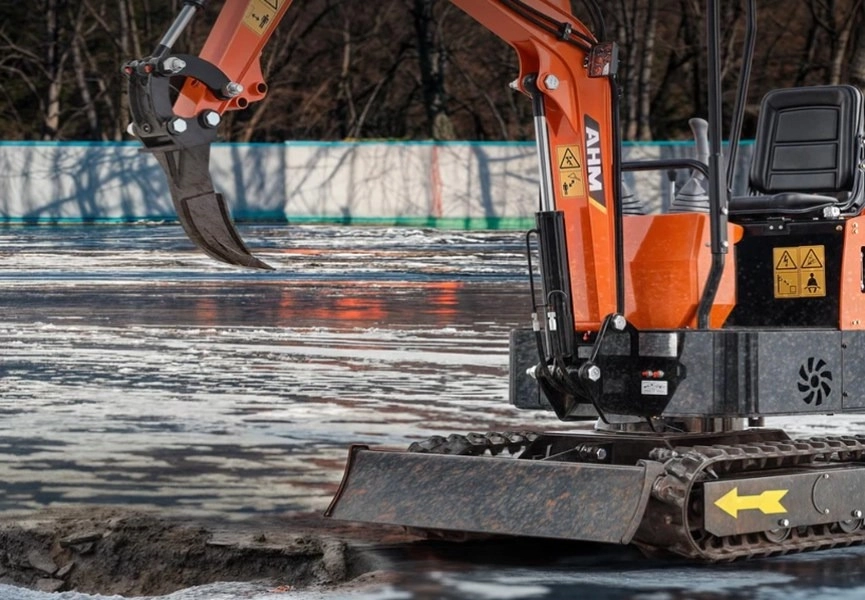
A mini excavator turns a weekend of hand-digging into an afternoon, and on the Front Range that matters more than it does in most states: Denver metro sits on expansive bentonite clay that swells when wet and shrinks when dry, which makes grading, drainage and foundation work around the yard a bigger job than it looks. Homeowners preparing a property to sell, or just fixing a drainage problem before it damages the foundation, are renting this equipment more than ever.
Much of the Denver metro area sits on expansive clay that changes volume with moisture, which is why foundations crack, patios heave and low spots pool water after a storm. Grading a yard correctly means moving soil to create a slope away from the foundation, commonly a drop of at least six inches over the first ten feet, and that volume of clay is heavy, dense work that hand tools struggle with.
Front Range equipment rental yards commonly price a compact mini excavator from $250 to $450 a day, $900 to $1,600 a week, depending on machine size and attachments. Adding a bucket, auger or trencher attachment adds to the daily rate. Most rental yards also require a damage deposit and proof of insurance before releasing the machine.
It depends on the scope and the jurisdiction. Denver and most Front Range cities require a grading or drainage permit once a project moves a set volume of soil or changes how water drains onto a neighboring lot; a raised bed or small trench for a sprinkler line rarely triggers a permit. Retaining walls above a certain height almost always need one. Check with the city or county building department before starting any project that changes drainage patterns, since an unpermitted grading change that floods a neighbor's yard becomes the homeowner's liability.
Colorado law requires anyone excavating to call 811 or file a locate request with Colorado 811 at least two business days before digging, so utility companies can mark buried gas, electric, water and fiber lines. This applies to a homeowner running a mini excavator for a drainage line exactly the way it applies to a contractor, and skipping it risks a cut gas line, a fine and a repair bill.
Yes. Curb appeal sets the first impression before a buyer walks in the door, and graded, well-drained yards with healthy planting beds photograph better and show better than a yard with standing water or dead turf. Buyers touring Front Range homes routinely rule out a listing based on the exterior before the showing even starts.
Xeriscaped and low-water landscaping has moved from a niche preference to a mainstream expectation on the Front Range, driven by summer water restrictions and rising utility rates. A well-designed xeriscape with native and low-water plantings, hardscape and efficient drip irrigation reads as updated and low-maintenance to a buyer, not as a downgrade from turf. See the full Front Range xeriscaping guide for a plant list and cost breakdown.
Yes. Most Colorado HOAs and metro districts set rules on construction hours, equipment noise and where a rental machine can sit on the property, and some require advance notice before any grading or excavation work begins. Read the current covenants and check for a design review requirement before scheduling equipment delivery; see the Denver HOA rules and fees guide for what to expect.
Late spring through early fall gives the most workable soil, after the ground thaws and before winter freeze returns. Clay soil that is too wet is unstable to grade correctly, and frozen ground in winter is difficult to excavate at all, so most Front Range landscaping projects concentrate in that window.
Colorado's hail season runs from spring through September, and a hard hailstorm followed by heavy rain exposes drainage problems fast — a yard that does not shed water quickly pools against the foundation and can undermine newly graded beds. Homeowners who regrade or add drainage before hail season see fewer problems during the storms that follow.
Most residential projects use a 1 to 4-ton mini excavator, small enough to pass through a standard side gate and maneuver in a fenced backyard, with enough digging depth and bucket capacity for trenching, grading and small retaining wall footings. Larger jobs, like a full backyard regrade on an acreage lot, call for a bigger machine and, in most cases, a professional operator.
Renting works for a homeowner comfortable operating heavy equipment on a defined project, like a French drain or a small retaining wall. A full-yard regrade, a project near a foundation, or any work that changes how water moves toward a neighboring property is worth handing to a licensed landscaper or excavation contractor who carries insurance and knows the local permit requirements.
Front Range winters swing between freezing nights and 50-degree afternoons, and that cycle heaves soil, cracks patios and shifts drainage lines that were not buried below the frost depth. A drainage line or French drain installed above the local frost depth risks freezing and failing the first hard winter.
Denver Water and most Front Range utilities set summer watering-day schedules and charge higher rates for water use above a set tier, which is part of why xeriscaping and drip irrigation have become standard in new landscaping design rather than an extra. Check the specific utility's current watering rules before installing a new irrigation system.
Yes, and it is one of the most common uses for a rented mini excavator on the Front Range. Clay soil drains slowly, so a French drain — a gravel-filled trench with a perforated pipe running to a daylight outlet or dry well — is a common fix for a yard that holds water against the foundation after a storm.
Agents consistently see graded, landscaped Front Range homes sell faster and draw stronger first offers than comparable homes with a neglected or drainage-troubled yard, because buyers price in the cost of fixing what they can see from the street. See how landscape lighting boosts a Colorado home's value and eight curb appeal fixes for Front Range sellers for specific, budget-ranked projects.
Denver requires a permit for a retaining wall above four feet in height, measured from the bottom of the footing to the top of the wall, and an engineered design once the wall crosses that threshold. Smaller Front Range cities set their own limits, so confirm the local rule before excavating footings.
Metro districts, common across newer Front Range subdivisions, can set their own landscaping and drainage standards on top of city code and HOA covenants, including rules about how a lot must drain into shared stormwater infrastructure. Check with the district before any regrading project that changes runoff direction.
A standard digging bucket handles most grading and trenching; a grading or tilt bucket smooths finish grade; an auger drills post holes for a fence or pergola; a trenching bucket narrows a French drain or irrigation line trench. Rental yards such as mini excavator dealers also stock mini excavator attachments sized for residential machines, which is worth checking before committing to a specific rental size.
Rarely, for a single-family homeowner. A mini excavator purchase runs well into five figures before attachments, financing and storage, while a rental covers a multi-day project for a fraction of that cost. Buying makes more sense for an owner planning ongoing acreage or multi-property maintenance.
Most Front Range jurisdictions set frost depth around 30 to 36 inches, and a drainage line buried above that depth risks freezing and cracking. A licensed contractor pulling a permit for a larger drainage project will confirm the exact local frost depth requirement.
Homeowners planning a full backyard regrade before listing can request the printable Colorado landscaping project checklist in the form below and we email it the same day.
| Project | Typical Front Range cost range | Permit needed? |
|---|---|---|
| French drain, single run | $1,500 to $4,000 (DIY equipment rental) / $4,000 to $9,000 (contractor) | Sometimes |
| Full backyard regrade | $3,000 to $12,000 depending on lot size | In most cases, if drainage direction changes |
| Retaining wall under 4 feet | $25 to $60 per square foot | Depends on city; commonly not required |
| Retaining wall over 4 feet | $40 to $90 per square foot | Yes, engineered design required |
| Xeriscape conversion, front yard | $4,000 to $15,000 | Rarely |
The Kenna Real Estate Group walks Colorado sellers through which yard and drainage projects actually pay back at closing, and which ones can wait. Call or text 303-955-4220. A live person answers. Not a robot, not a phone tree. Ready to see what is on the market right now? Search every home for sale in Colorado.
Questions about any home in Colorado? Call or text 303-955-4220. A live person answers.
Expect $250 to $450 a day or $900 to $1,600 a week for a compact mini excavator, plus attachments and a damage deposit.
Yes. Colorado law requires a locate request through Colorado 811 at least two business days before any excavation, including homeowner projects.
It depends on scope. Projects that move a set volume of soil or change drainage onto a neighboring lot need a city or county permit in most cases; small trenches commonly do not.
A 1 to 4-ton mini excavator fits through most side gates and handles grading, trenching and small footings without needing a larger machine.
Graded, well-drained yards with updated landscaping consistently show and sell better than neglected yards on the Front Range, because buyers price in the visible fix themselves.
Below the local frost depth, commonly 30 to 36 inches on the Front Range, to avoid freezing and cracking during winter.
An HOA can set rules on equipment noise, hours and advance notice, and some require design review before grading work begins. It cannot forbid a permitted project outright in most cases.
Late spring through early fall, once the ground thaws and before winter freeze returns, gives the most workable clay soil for grading and drainage projects.