New - Just Now

.jpg)


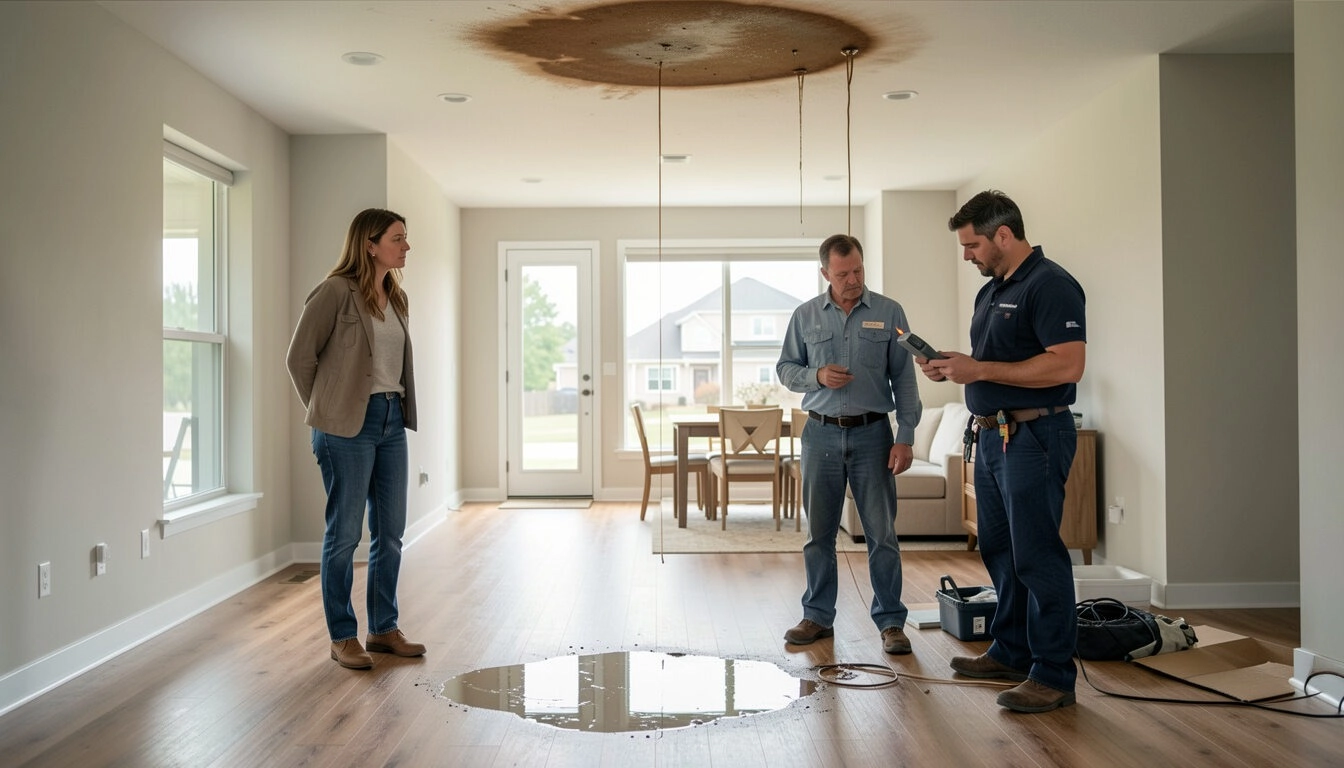
Water damage restoration in Colorado costs $1,400 to $6,400, with a national average around $3,900. Small, quickly addressed leaks can run as low as $450, while major restoration involving contaminated water or multiple rooms can climb to $16,000 or more. The final bill comes down to three things: how much water got in, how long it sat, and which materials and rooms it touched.
| Metric | Typical figure |
|---|---|
| Typical range | $1,400 to $6,400 |
| National average | About $3,900 |
| Low end (small, fast-caught leak) | $450 |
| High end (major or contaminated event) | $16,000+ |
These figures shift based on the water category, how quickly cleanup started, and local contractor labor rates, which run on the higher side in the Denver metro compared with much of the country.
Most contractors price standard jobs at $3 to $7.50 per square foot. Clean water from a supply line costs less to restore than gray water from an appliance, and black water from a sewer backup or contaminated floodwater costs the most because it requires extra protective gear, containment steps and more complete material removal.
A basement with a small amount of clean water, caught quickly, runs $500 to $1,500 to dry and restore. A sewage backup or a flood event that sat for days can push that number to $2,800 or more once contaminated materials, drywall and flooring all need replacement. Front Range basements are especially exposed to this because expansive clay soil and a rising water table during spring snowmelt can push groundwater against foundation walls that were not built with a working sump pump or exterior drainage.
Mold remediation runs $1,200 to $3,800 as a service separate from the initial water extraction and drying. The Environmental Protection Agency notes that drying wet materials within 24 to 48 hours lowers the chance mold takes hold in the first place, which is the single biggest lever a homeowner has over whether this cost shows up on the final invoice at all.
A burst pipe from a hard freeze runs $1,000 to $4,000 for the plumbing repair plus related drying and restoration, and more if the water reached flooring, insulation or a finished ceiling below. Colorado's freeze-thaw pattern, where a mild stretch followed by a sudden cold snap catches exposed pipes in garages, crawl spaces and exterior walls, is the most common cause of this specific claim along the Front Range.
Most Colorado policies cover sudden, accidental water damage such as a burst pipe, subject to your deductible. Gradual leaks from unresolved maintenance issues are excluded, and flood damage from rising groundwater or a nearby creek needs a separate flood policy. Sewer backup coverage is almost always an added rider, priced around $50 to $200 a year for $5,000 to $25,000 of coverage, which is worth adding given how many Front Range homes still run on older sewer laterals.
Black water cleanup from a sewer backup costs meaningfully more per square foot than a clean water leak because contaminated materials cannot be dried and saved the way clean water-soaked materials can. Porous items like carpet, carpet padding and lower drywall need full replacement rather than drying, which adds material and labor cost on top of the extraction and sanitizing work.
Roof repair tied to a water leak runs $400 to $2,000, and ceiling repair from a roof leak adds another $450 to $1,600. Hail season runs from spring through September along the Front Range, and a single storm can damage enough roofing to cause a leak that shows up as a stained ceiling weeks later once the next rain finds the weak spot. The Colorado roof replacement cost guide covers full replacement pricing when repair is not enough.
Shut off the water source immediately, call a water damage restoration company the same day, and start documenting the damage with photos before cleanup begins for your insurance file. Acting inside the first 24 to 48 hours is the single biggest cost control available, since standing water that sits longer spreads into more materials and raises the odds of mold remediation getting added to the bill.
An unrepaired or undocumented water event costs a seller far more at the negotiating table than the restoration itself would have cost to complete before listing. A documented, professionally repaired event with invoices and moisture readings on file affects sale price very little; an active or undisclosed issue a buyer's inspector finds can cost 5% to 15% of the sale price. The preparing and adding value before selling guide covers which repairs to prioritize.
A complete quote should list water extraction, drying and dehumidifying equipment days, moisture testing, removal of any damaged materials, sanitizing, mold prevention treatment, and any minor repairs, itemized separately from a full reconstruction estimate if the job needs one. Some companies handle mitigation and drying only and hand off reconstruction to a separate contractor, so confirm which scope you are getting a price for before comparing quotes from different companies.
Yes, indirectly. A sewer scope does not prevent a backup by itself, but catching a cracked or root-blocked line before it fails avoids the far larger cost of a sewage cleanup and reconstruction job. Homes built before 1970 with clay or cast-iron laterals benefit the most from a proactive scope, especially with mature trees near the line, since a few hundred dollars for the scope is a small fraction of what a black water restoration job runs.
The Kenna Real Estate Group helps Front Range homeowners weigh restoration cost against home value, whether you are repairing before a sale or deciding how much to invest in a home you plan to keep. Call or text 303-955-4220. A live person answers. Not a robot, not a phone tree. Compare your home to what is selling nearby when you search every home for sale in Colorado.
Questions about any home in Colorado? Call or text 303-955-4220. A live person answers.
Most homeowners pay $1,400 to $6,400, with a national average around $3,900. Small leaks caught quickly can run as low as $450.
$3 to $7.50 per square foot, with clean water costing less to restore than gray or black water.
Most policies cover sudden, accidental damage like a burst pipe, subject to your deductible. Gradual leaks and flood damage are excluded and need separate coverage.
$1,200 to $3,800 as a separate service from the initial extraction and drying. Drying materials within 24 to 48 hours lowers the odds this cost applies at all.
Expansive clay soil and a rising water table during spring snowmelt can push groundwater against foundation walls, especially in homes without a working sump pump or exterior drainage.
Yes. Black water from a sewer backup requires full replacement of most porous materials it touches rather than drying, which raises both material and labor cost.
Roof repair tied to a leak runs $400 to $2,000, plus $450 to $1,600 for any resulting ceiling repair.
Shut off the water source immediately and call a restoration company the same day. Damage caught within 24 to 48 hours costs far less than damage left to spread.