New - Just Now

.jpg)


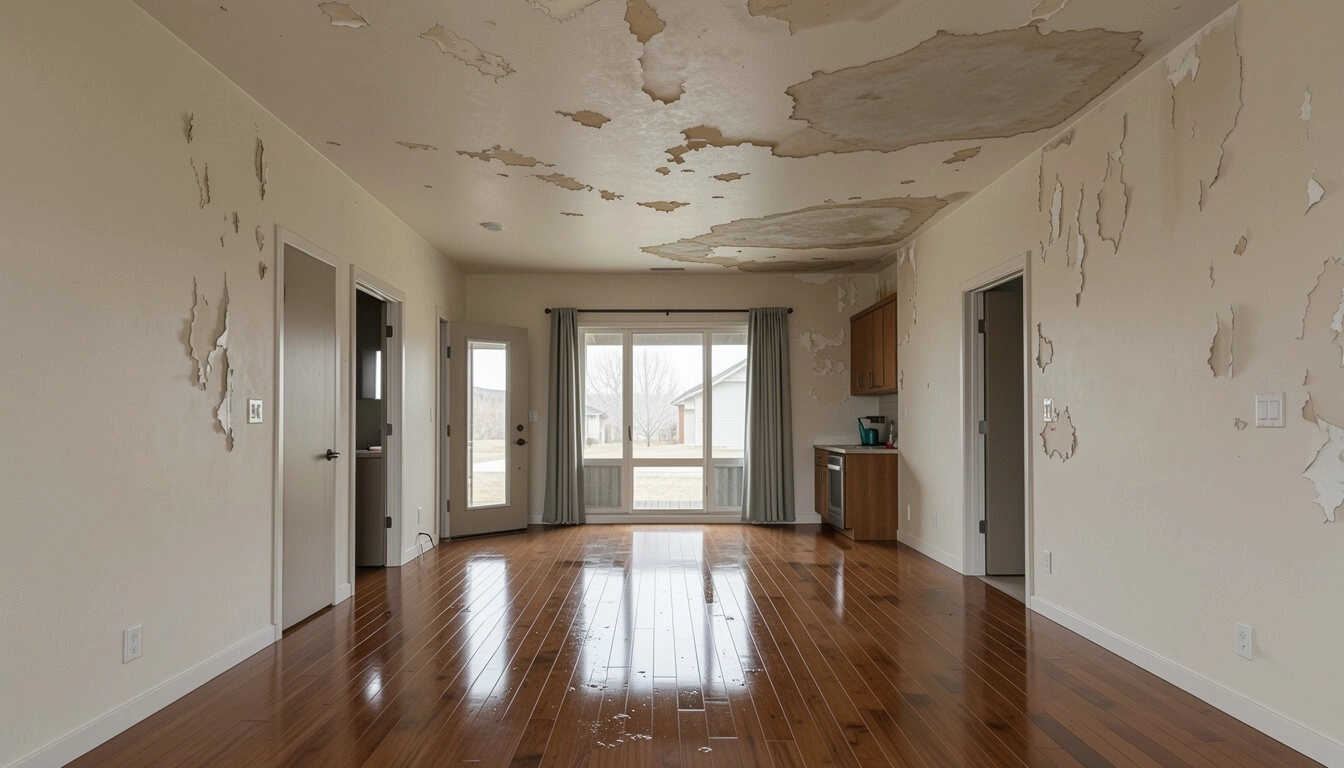
Water damage turns into a mold problem inside 24 to 48 hours when a wet building material stays wet, even in a dry climate like Colorado's. Fast extraction, thorough drying, and, when needed, a mold removal service protect both the home's indoor air and its resale value.
Mold needs moisture, a food source such as drywall or wood, and time; Colorado's low humidity slows mold growth outdoors but does nothing to stop it inside a wall cavity that stays wet behind a finished surface. A mold removal service tests and removes affected material once moisture content drops enough for the work to hold, rather than papering over a wet wall.
A hard cold snap below zero, common on the Front Range several nights most winters, freezes and splits an exposed pipe in an unheated garage, crawlspace, or exterior wall. Keeping cabinet doors open under sinks on exterior walls, letting a faucet drip during a severe cold warning, and insulating exposed lines prevent most of these breaks. A burst pipe from a hard freeze is one of the most common Front Range homeowner insurance claims each winter.
An irrigation system left full of water into the first hard freeze cracks its pipes and valves underground, a repair that runs $200 to $600 in spring versus a $75 to $150 fall blowout using compressed air. Most Front Range irrigation contractors book blowout appointments from late September through October; a homeowner who waits past the first hard freeze risks the larger repair bill.
Colorado's spring snowmelt and heavy spring rain send water toward a home's foundation, and a basement window well without a working drain or cover fills and leaks into the basement. A sump pump with a battery backup protects a finished basement during a power outage that hits during the same storm causing the water problem in the first place. Regrading the yard so water slopes away from the foundation, at least 6 inches of drop over the first 10 feet, prevents most of this before it starts.
Colorado's climate, roughly 300 days of sun a year and low average humidity, makes visible surface mold less common than in a humid region, which leads some homeowners to underestimate hidden mold behind a wall or under flooring after a leak. A moisture meter and, in a suspected case, an air quality test settle the question instead of guessing from the dry climate outside.
A restoration company such as Risk Free Serv Water Damage Repair documents moisture readings throughout the job, which a homeowner's insurance adjuster and, later, a buyer's inspector both rely on; a Colorado homeowner is free to use any licensed restoration provider for the work. Ask for the printable winterizing and water-damage prevention checklist in the form below and the Kenna Real Estate Group emails it the same day.
A functioning HVAC system speeds structural drying by moving air across wet materials, and a restoration crew adds standalone air movers and a dehumidifier on top of the home's own system for a faster, more even dry-out. A furnace or AC system that ran contaminated air through the ducts during a mold event needs a duct inspection, and sometimes cleaning, before the system runs normally again.
Colorado's seller property disclosure form asks directly about past water intrusion, flooding, and mold treatment; a seller answers based on actual knowledge, and an inaccurate answer creates liability after closing. Insurance claim history for water damage also shows up on a CLUE report a buyer's insurer can pull, which affects the buyer's own insurance cost on the home.
A documented, properly repaired water event with a clear paper trail, moisture readings, contractor invoices, and a mold clearance test where needed, rarely costs a seller much at resale. An undisclosed or poorly repaired event costs far more once a buyer's inspector finds it during the inspection period. The Preparing and Adding Value Before Selling guide covers how to document a repair so it reads as a strength, not a red flag.
A homeowner photographs the damage before any cleanup starts, contacts the insurer promptly to open a claim, and keeps every invoice from the restoration company and any contractor who repairs drywall, flooring, or cabinetry. An adjuster's inspection compares the moisture readings and the scope of work against the policy's coverage for sudden and accidental water loss, which is why the restoration company's documentation matters as much as the repair itself. A homeowner who files more than two water-related claims within a few years sees a noticeable jump in the next renewal premium or a nonrenewal notice, which is one more reason to fix the underlying cause, a failed supply line, an unwinterized sprinkler system, a clogged gutter, rather than only the visible damage.
The Kenna Real Estate Group helps Front Range sellers document a past water or mold repair the right way and helps buyers read a disclosure form and insurance history before writing an offer. Call or text 303-955-4220. A live person answers. Not a robot, not a phone tree. Search every home for sale in Colorado to see what's on the market right now.
Questions about any home in Colorado? Call or text 303-955-4220. A live person answers.
Mold can start growing within 24 to 48 hours on a wet surface that stays wet, regardless of the dry climate outside.
No. Low outdoor humidity slows surface mold in open air but has little effect on a wall cavity or subfloor that stays wet behind a finished surface after a leak.
A frozen and split pipe, commonly in an unheated garage, crawlspace, or exterior wall, is the leading cause of winter water damage claims on the Front Range.
Late September through October, before the first hard freeze; an irrigation contractor blows out the lines with compressed air.
Yes, a spring storm strong enough to overwhelm a sump pump also causes power outages, and a battery backup keeps the pump running through one.
$1,500 to $6,000 for a contained area, more for a full basement or an event that reached the HVAC ductwork.
Yes, Colorado's seller disclosure form asks directly about past water intrusion and mold treatment, and a seller answers based on actual knowledge.
A properly repaired event with a clear paper trail rarely costs much at resale; an undisclosed or poorly repaired event costs far more once a buyer's inspector finds it.