New - 30 Mins Ago
.jpg)


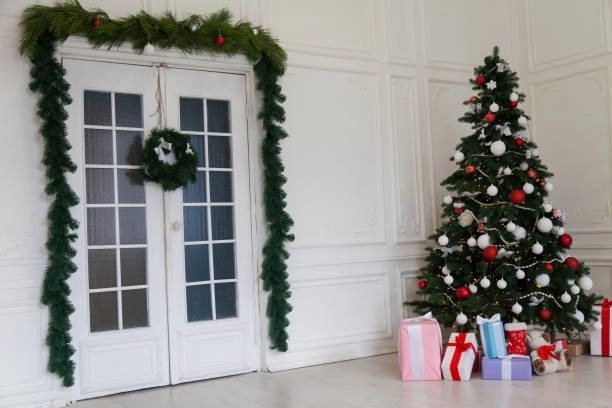
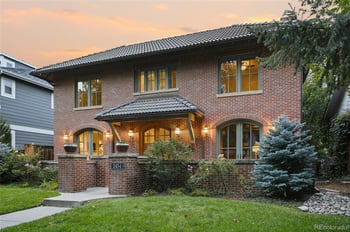
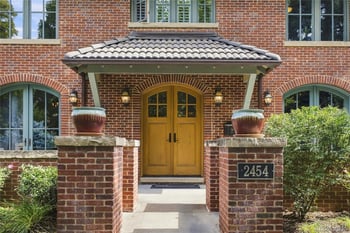
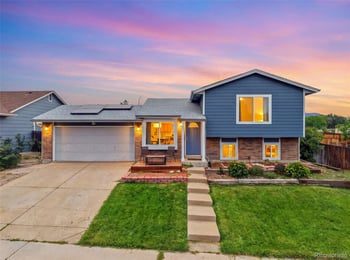
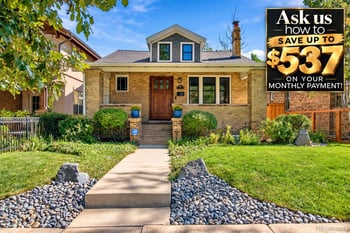
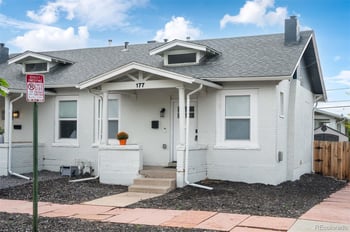
Entry landscaping sells a home before a buyer opens the door, and on the Front Range a young real tree planted for a listing photo will not fill in before the house closes. A quality artificial pine or cypress placed at the entry gives that structure immediately, without the water, root or pest issues that come with a real tree in Colorado's climate.
A newly planted real tree takes years to reach the height and fullness that photographs well at a front entry, and a seller prepping a home for market does not have years. A well-made artificial tree gives an entryway immediate structure and symmetry for a showing or a listing photo shoot, then moves with the sellers to the next house if they want to take it.
Quality matters here more than almost anywhere else in the country. Older artificial trees used a surface-applied UV coating that also left leaves brittle, and brittle polyethylene cracks under hail impact. Trees built with UV stabilizer compounded into the polyethylene itself, rather than sprayed on, stay flexible enough to take a hail hit without shattering the individual leaf components.
UV exposure at 5,280 feet runs roughly 25 percent stronger than at sea level, which is exactly why the coating-versus-compounded distinction matters on the Front Range. A tree with UV stabilizer compounded into the material during manufacturing holds its color through repeated high-UV summers; a surface-coated tree fades within one or two seasons here.
Some Front Range HOAs count only living plant material toward minimum landscaping coverage, while others accept structured artificial plantings at building entries as part of the overall design. Submit a photo and placement plan to the architectural review committee before installing one at a highly visible entry, the same way you would for any exterior change.
An artificial tree uses zero irrigation water, which matters directly under Denver Water and other Front Range utility watering schedules that limit outdoor watering days and hours through the growing season. Pairing an artificial entry tree with xeriscape planting beds around it keeps the whole entry landscape inside the water budget without looking bare.
Yes, in both directions. Tree roots pull moisture from Colorado's bentonite clay, which can make the soil shrink unevenly near a foundation, while a tree removed later leaves a void that the same clay can heave into. An artificial tree placed close to the entry avoids that root-and-foundation interaction entirely, which matters more here than in a climate with more stable soil.
Emerald ash borer has spread through Front Range communities and kills ash trees, a species planted heavily in older Denver metro neighborhoods, within a few years of infestation. A homeowner planting a new entry tree today has to weigh species selection against that risk; an artificial tree sidesteps the pest question completely for a spot where consistent appearance matters for curb appeal.
In foothill communities near Golden, Evergreen and Colorado Springs, Colorado State Forest Service defensible space guidance calls for noncombustible material within 5 feet of the home. A quality artificial tree built on fire-retardant-treated polyethylene, placed and labeled as such, can fit that noncombustible zone in a way a live, resin-needled evergreen cannot. Confirm the manufacturer's fire-rating documentation before relying on it for a defensible space plan.
Outdoor-rated artificial trees with compounded UV protection and internal wire reinforcement run $200 to $600 for a 5- to 7-foot tree and $800 to $2,000 or more for a larger statement piece at a main entry. Cheaper surface-coated trees cost less up front but need replacing within a season or two of Front Range sun and hail.
An artificial bald cypress tree pulls the eye upward with a narrow, tapering profile that fits close to a doorway, a narrow side yard or a structural element without crowding it. Artificial pine trees spread wider and read more naturalistic, which suits a broader entry or a spot where the tree needs to anchor a wider planting bed rather than frame a single doorway.
Maintenance is limited to an occasional rinse to clear dust and pollen and a check after a major hail or wind event for cracked leaf components. There is no watering, pruning or pest treatment, which is the entire appeal for a homeowner managing a short growing season and a busy watering schedule everywhere else in the yard.
A clean, symmetrical entry with mature-looking greenery photographs better for listing photos and reads as finished during a showing, both of which matter in competitive Front Range markets. Pair it with the rest of the exterior refresh covered in preparing and adding value before selling rather than treating the entry as a stand-alone fix.
A larger artificial tree in a planter or in-ground base needs a weighted base or below-grade anchoring to survive the wind gusts that hit foothill communities during downslope wind events. A tall, top-heavy tree in a lightweight planter is the most common failure point, not the tree material itself.
For a seller on a tight timeline, yes: it solves the immediate visual gap at the entry without waiting multiple growing seasons for a real tree to fill in, and it can move to the next house if the seller wants to keep it. For a buyer planning to stay long-term, a mix of one or two artificial anchor pieces near the door and real, low-water plantings elsewhere in the yard covers both the immediate photo and the long-term landscape.
A residential appraisal weighs curb appeal and overall condition rather than assigning a line-item value to a single decor piece, so an artificial tree at the entry supports the appraisal's condition rating the same way fresh mulch or a repainted door does, without adding a specific dollar figure on its own. A home inspector does not evaluate landscaping at all, artificial or real, so an entry tree carries zero inspection risk compared with a mature real tree whose roots or branches sit close enough to the house to raise a question during the walk-through.
Place a taller artificial tree to one side of the front door rather than centered, so it frames the entry without blocking the house number or a porch light sightline from the street. Keep it clear of the walkway width required by most Front Range building codes, commonly 36 inches of unobstructed path, and set it back from any downspout discharge point so runoff from a heavy spring storm does not pool around the base.
Whether you're staging an entry before listing or buying a home and weighing what to do with the front landscaping, the Kenna Real Estate Group can tell you what buyers in your ZIP code actually notice first. Call or text 303-955-4220. A live person answers. Not a robot, not a phone tree. Search every home for sale in Colorado.
Questions about any home in Colorado? Call or text 303-955-4220. A live person answers.
A tree with UV stabilizer compounded into the polyethylene during manufacturing holds its color through repeated high-altitude summers; a surface-coated tree fades within a season or two here.
Trees built with UV stabilizer compounded into the material stay flexible enough to take a hail hit without cracking; older, surface-coated trees turn brittle and crack more easily.
No. An artificial tree uses zero irrigation water, which helps an entry landscape stay inside Denver Water and other Front Range utility watering schedules.
Rules vary by community; some count only living plant material toward landscaping requirements, so submit a placement plan for architectural review before installing one at a visible entry.
A 5- to 7-foot outdoor-rated artificial tree with compounded UV protection runs $200 to $600, with larger statement pieces running $800 to $2,000 or more.
An artificial tree avoids the root-and-moisture interaction that real tree roots create in Colorado's expansive clay soil near a foundation.
A fire-retardant-treated artificial tree can fit within the noncombustible clearance zone required close to a home in foothill communities; confirm the manufacturer's fire-rating documentation first.
Cypress has a narrow, tapering profile suited to tight spaces next to a door; pine spreads wider and suits a broader entry or planting bed.