New - 2 Hours Ago

.jpg)


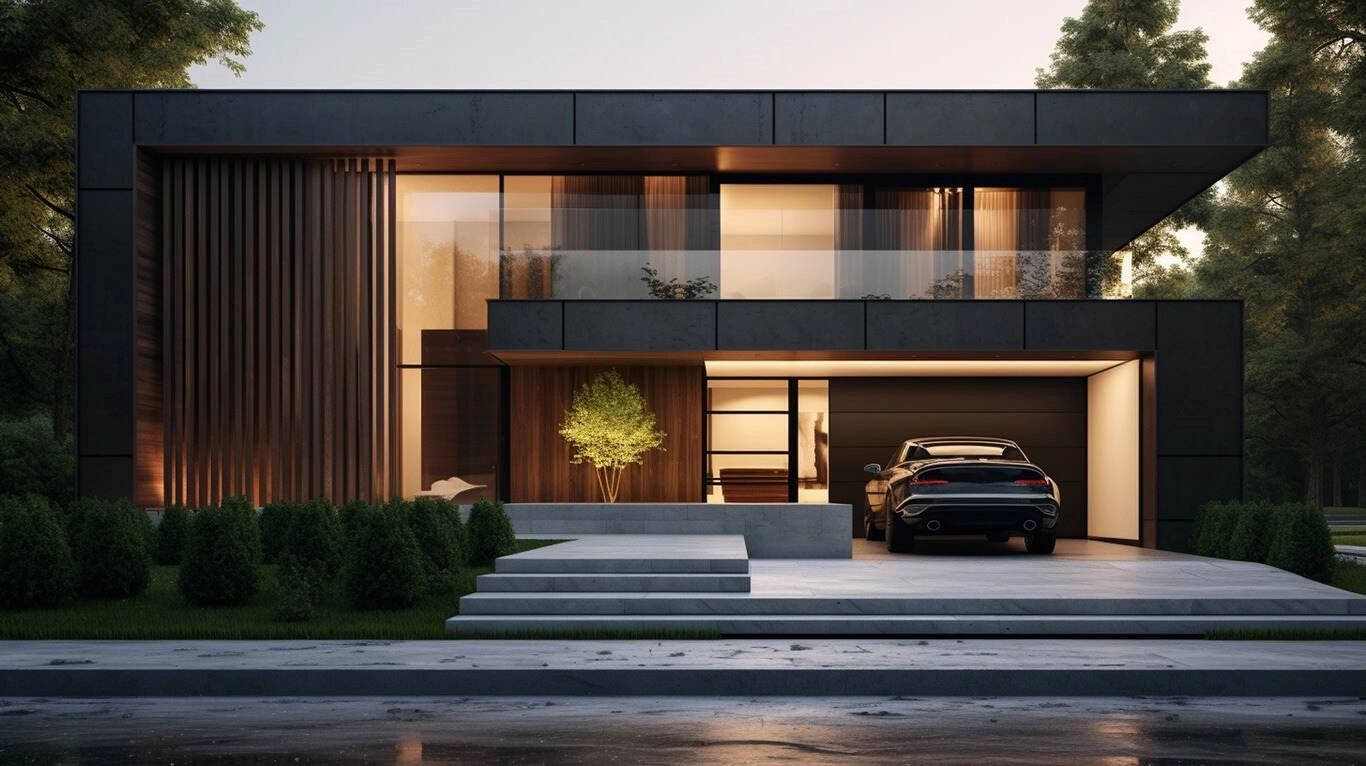
A carport in Colorado does a job a carport in most other states does not: it protects a vehicle from hail that can total a windshield in minutes. For a Front Range luxury home, the right carport also has to match the architecture and hold its value the way any other structure on the property does.
Colorado's hail season runs from spring through September, and the Front Range corridor from Denver to Colorado Springs sits inside one of the most hail-prone stretches in the country. A single storm can produce dents, cracked windshields, and paint damage across an entire street of uncovered vehicles. A well-built carport turns that risk into a non-event for anything parked underneath it.
Each carport material handles Colorado's specific mix of hail, dry heat, heavy snow, and UV exposure differently:
| Material | Hail resistance | Maintenance | Best fit |
|---|---|---|---|
| Steel | Highest | Low; power-coated finish resists chipping | Modern and contemporary luxury homes |
| Aluminum | Good | Low; rust-resistant, lighter to install | Homes wanting a lighter structural look |
| Cedar or redwood | Moderate; dents and splits under large hail | Higher; needs sealing and staining on a cycle | Rustic and traditional luxury homes |
Steel carports built for a Class 4 impact rating hold up best against the large hail Front Range storms regularly produce, and a power-coated steel finish can be matched to a home's existing exterior color rather than standing out as an add-on structure.
Most Front Range luxury neighborhoods sit inside an HOA or a metro district with an architectural review process, and exterior structures like a carport almost always require design approval before construction starts. Submit the carport's material, color, roofline, and placement to the review board before ordering materials. A design that is denied after the structure is already built is far more expensive to fix than a rejected application.
Denver and most Front Range cities and counties require a building permit for a new carport, particularly one attached to the house or exceeding a set square footage. Permit requirements differ by city and county, so confirm the specific rule with the local building department before a contractor breaks ground, rather than assuming the same rule applies from Denver to Douglas County.
Standard carports use seven-foot-high legs, which comfortably clears most sedans and SUVs but can be tight for a full-size truck or an RV. A luxury home with multiple vehicles or larger vehicles should specify custom dimensions rather than a stock size, and should plan the footprint to allow room to walk around each parked vehicle comfortably.
A carport that does not match the home's roofline and exterior finish stands out for the wrong reasons on a luxury property. A minimalist or ultra-modern home pairs well with a flat-roofed steel carport in a monochromatic color. A traditional or craftsman-style Front Range home pairs better with a pitched roof, exposed beams, and a wood or stone-accented structure that echoes the main house.
Heavy, wet Front Range snow puts real weight on a flat carport roof. A sloped or pitched roof design sheds snow rather than holding it, which reduces structural stress and the odds of roof damage during a heavy winter storm. Ask the manufacturer for the structure's rated snow load in pounds per square foot and compare it against the average snow load for your specific county before finalizing the design.
Front Range roads are treated with magnesium chloride during winter storms, and vehicles driven through it track the residue into any parking area, including under a carport. A power-coated or anodized metal finish resists corrosion from that residue far better than raw or painted metal, which matters over years of Colorado winters.
A garage offers full enclosure and climate control that a carport does not, but a well-designed carport costs less to build, adds usable covered space faster, and still protects vehicles from hail and snow. Many Front Range luxury properties use both: a garage for daily-driver vehicles and a carport for guest parking or a secondary collection of vehicles.
Ask a carport manufacturer or installer directly what the structural warranty covers and for how many years, and whether hail damage to the panels themselves is included. Coverage varies widely between manufacturers, and a Colorado buyer benefits from a warranty written with hail specifically in mind rather than a generic weather clause.
A carport built with quality materials and a design that matches the home's architecture reads as a finished, intentional feature rather than an afterthought, and that shows up in how a property presents to a buyer. A mismatched or poorly built structure has the opposite effect. Buyers and appraisers both notice when exterior structures look like they were added without a plan for how they fit the property overall.
Recessed LED lighting keeps a carport functional through Colorado's shorter winter daylight hours without adding visual bulk to the structure. Solar panels integrated into the carport roof are increasingly common on Front Range luxury properties, since a carport's open, south-facing roof plane frequently gets better sun exposure than the home's own roofline.
Colorado's UV index at 5,280 feet runs higher than at sea level for the same latitude, and unprotected paint, upholstery, and dashboard plastics degrade faster as a result. A carport blocks that direct UV exposure the same way it blocks hail, which matters most for a vehicle that spends most of its life parked outside rather than in a garage.
A carport with a solid roof panel rather than a slatted or lattice design gives the fullest UV protection. Some homeowners add a UV-blocking coating to the underside of the roof panel for extra protection in a west-facing installation that gets direct afternoon sun.
A contractor who has built carports across the Front Range already knows the permit process, HOA design review expectations, and snow load requirements for your specific county, which saves real time compared with a contractor working in Colorado for the first time. Ask for references from recent projects in your city or county specifically, not just general carport experience from another state.
The Kenna Real Estate Group works with Front Range luxury buyers and sellers on exactly this kind of property detail, from carport and garage condition to hail-related exterior wear that shows up in an inspection. Call or text 303-955-4220. A live person answers. Not a robot, not a phone tree. Or search every home for sale in Colorado to see current luxury listings across the Front Range.
Questions about any home in Colorado? Call or text 303-955-4220. A live person answers.
Steel with a Class 4 impact rating and a power-coated finish holds up best against large Front Range hail, and the finish can be matched to the home's existing exterior color.
Most Front Range HOA and metro district communities require architectural review approval for a new carport before construction starts. Submit material, color, and placement details ahead of ordering materials.
Denver and most Front Range cities and counties require a building permit for a new carport, especially one attached to the house or above a set square footage. Confirm the exact rule with your local building department.
Standard carports use seven-foot-high legs, which fits most sedans and SUVs. A luxury home with trucks or larger vehicles should specify custom dimensions instead of a stock size.
Yes. A sloped or pitched roof sheds heavy, wet Front Range snow rather than holding it, which reduces structural stress during a heavy winter storm.
Untreated or painted metal corrodes faster from mag chloride residue tracked in by vehicles. A power-coated or anodized finish resists that corrosion much better over Colorado winters.
A carport costs less and adds covered parking faster than a garage, though it does not offer full enclosure or climate control. Many Front Range luxury properties use a garage for daily vehicles and a carport for additional covered parking.
Yes. A carport's south-facing roof plane frequently gets better sun exposure than a home's main roofline, which makes it a practical spot for solar on a Front Range property.


