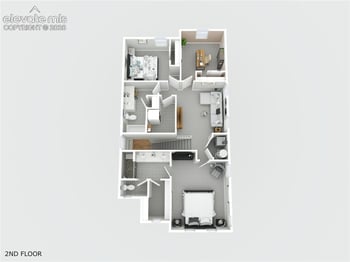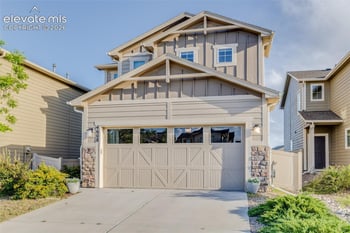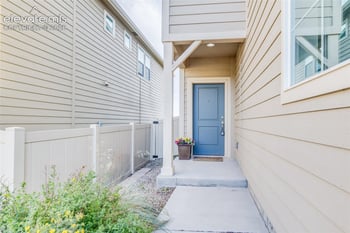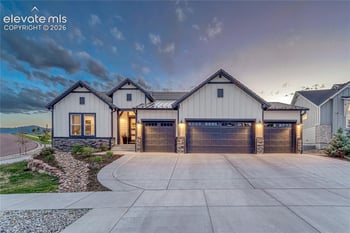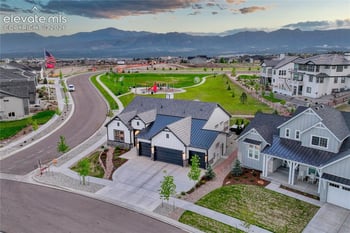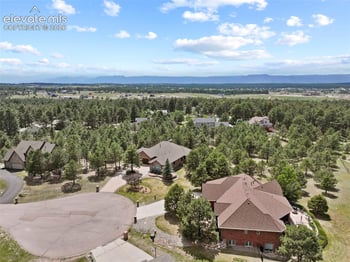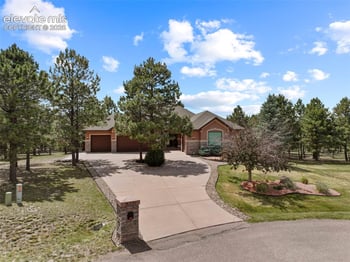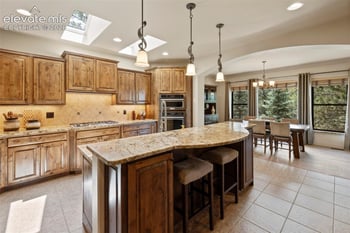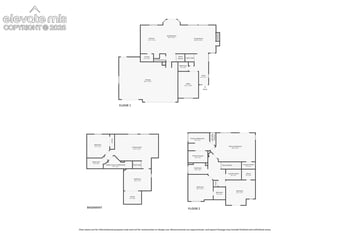
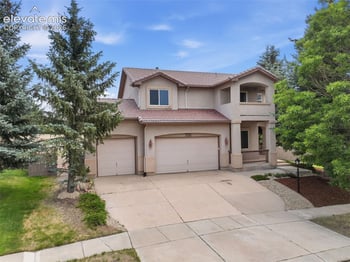
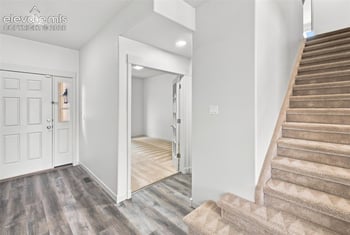
$675,000
Active
5
Beds
4
Baths
3454
Sqft
0.2988
Acres
3335 Hollycrest Dr, Colorado Springs, CO 80920
MLS#: 2649756
.jpg)


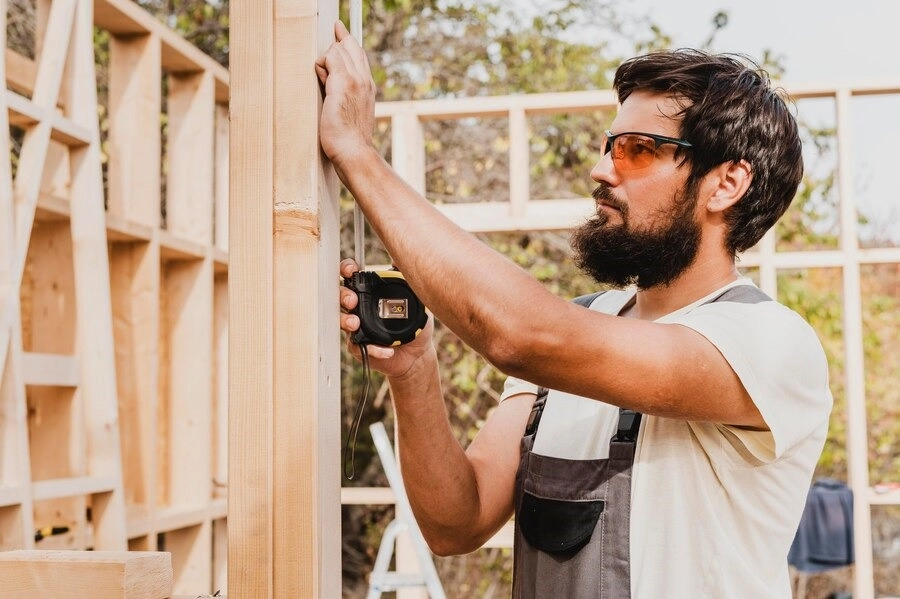
The right deck builder for a Front Range home is licensed in your city, pulls the permit before framing starts, and designs for Colorado's snow load and wind, not a national default. Get that part wrong and the deck itself is the least of the problem: a failed inspection or an unpermitted structure follows the house at resale.
Most Front Range cities, including Denver, Aurora and Colorado Springs, require a contractor to hold a city-issued license to pull a residential building permit. Ask for the license number and verify it directly with the city's building department rather than taking a business card at face value; a licensed number that checks out is the fastest way to rule out an unlicensed crew.
Yes, in nearly every case. A deck attached to the house, more than 30 inches off grade, or larger than a small platform requires a building permit in Denver and most Front Range jurisdictions. A reputable deck builder pulls the permit as part of the contract price; a builder who offers to skip it to save time is offering to skip the inspection that catches a bad ledger connection before it fails.
Denver metro building codes set ground snow load requirements around 30 pounds per square foot, with foothill and higher-elevation jurisdictions requiring more. A deck framed to a lower national default sags or fails under a heavy, wet spring snowstorm. Ask your builder to state the snow load their design meets and confirm it matches your city's current code, not an outdated reference.
The ledger board, where the deck bolts to the house, needs to be lag-bolted or through-bolted into the house's rim joist with flashing that sheds water away from the connection. On homes with foundation movement from Colorado's expansive bentonite clay, a builder should check the house's foundation for existing settlement before drilling into it, because a ledger bolted to a shifting wall pulls loose over time regardless of how well it was installed.
Ask who pulls the permit and when, what snow and wind load the design meets, what warranty covers materials versus labor, and for three references from jobs completed in the last two years in your city. A builder who answers all four without hesitation has done this enough times to get it right; a builder who deflects any one of them is worth a second bid.
Labor alone runs $25 to $45 per square foot on the Front Range on top of material costs, which vary widely by decking type. A straightforward 300-square-foot pressure-treated deck with labor and materials runs $9,000 to $16,000 installed; composite decking pushes the same footprint to $18,000 to $28,000.
Get at least three bids, and make sure each one specifies the same square footage, decking material, railing type and permit responsibility before comparing prices. Bids that differ by more than 20 percent for the same scope commonly mean one builder priced a shortcut, such as skipping the permit or under-sizing the footings, not that one builder is simply cheaper.
A deck specialist builds decks full time and knows the current snow-load and ledger-attachment code cold; a general contractor who takes on a deck as one project among many subcontracts the framing to whoever is available that month. Neither structure is automatically better, but ask a general contractor directly who frames the deck and whether that crew specializes in decks.
Permit review in most Front Range cities takes 1 to 3 weeks, with construction itself running 1 to 3 weeks depending on size and decking material. Plan on 4 to 8 weeks total from signed contract to a finished, inspected deck, longer if the design needs an engineer's stamp for a taller or more complex structure.
A contractor who asks for full payment up front, cannot produce a license number, offers to build without a permit, or has no physical business address is a red flag on its own; two or more together are a reason to end the conversation. Colorado's contractor licensing rules vary by city, so verify locally rather than assuming a license from one Front Range city carries over to the next.
Taller decks, roof-covered decks and decks over a certain footprint need an engineer's stamp in most Front Range building departments, largely because of the wind loads seen in foothill communities near Golden, Boulder and Colorado Springs. A builder should know when a design crosses that line and bring in an engineer rather than guessing.
Expect a minimum one- to two-year labor warranty separate from the manufacturer's material warranty, which runs 25 years or more on most composite decking products. Get the warranty terms in writing as part of the contract, not as a verbal promise, and confirm what voids it, such as improper cleaning products on composite boards.
In most Front Range HOA and metro district communities, yes, separately from the city permit. Submit the deck's footprint, material and railing style for architectural review before signing a contract, because a design that clears the city but not the HOA still has to be reworked.
A well-built, permitted deck that matches the home's size and finish level reads as move-in-ready outdoor living space to buyers in Aurora, Littleton and similar Front Range markets, and it removes a repair item from a buyer's negotiating list. An unpermitted or visibly sagging deck does the opposite and commonly comes up during the inspection objection period. Check what a finished deck is worth in your specific ZIP code through pricing your Colorado home to sell.
Yes. A signed lien waiver from the builder and any subcontractors, delivered with final payment, protects you from a mechanic's lien filed later by an unpaid supplier or subcontractor you never dealt with directly. Colorado's mechanic's lien law gives suppliers and subs the right to file against the property, not just the contractor who hired them.
Whether you're vetting a deck builder before you list or buying a home with a deck already built, the Kenna Real Estate Group can tell you whether it was permitted and what it's worth to a Front Range buyer. Call or text 303-955-4220. A live person answers. Not a robot, not a phone tree. Search every home for sale in Colorado.
Questions about any home in Colorado? Call or text 303-955-4220. A live person answers.
Nearly every attached or raised deck needs a city building permit on the Front Range; a reputable builder includes pulling it in the contract price.
A pressure-treated deck around 300 square feet runs $9,000 to $16,000 installed; composite decking of the same size runs $18,000 to $28,000.
Call your city's building department directly and ask them to confirm the contractor's license number rather than relying on a business card or website claim.
Denver metro codes set ground snow load requirements around 30 pounds per square foot, with foothill and higher-elevation jurisdictions requiring more; confirm the design meets current local code.
Plan on 4 to 8 weeks total on the Front Range, including 1 to 3 weeks of permit review and 1 to 3 weeks of construction, longer for taller or engineered designs.
No. A deposit followed by progress payments tied to inspection milestones, with final payment held until a lien waiver is signed, protects you if the builder or a supplier goes unpaid.
Most Front Range HOAs and metro districts require architectural review of a deck's footprint, material and railing style separately from the city building permit.
A contractor who cannot produce a license number, offers to skip the permit, or asks for full payment before work starts is a reason to get a second bid.