HomeBlog Home
Recommended Reads

How To Create A Minimalist Living Room: Simple Steps for a Clean, Uncluttered Space

Brian Lee BurkeBrian Lee Burke
Apr 14, 2025 13 min read
Share to X
Share to Facebook
Share to Linkedin
Copy Link
How To Create A Minimalist Living Room: Simple Steps for a Clean, Uncluttered Space

Are you looking to create a peaceful, stylish living room with less stuff? A minimalist living room might be just what you need.

Focusing on simplicity and the "less is more" approach can transform your space into something both beautiful and functional.

Creating a minimalist living room isn't about having a space but being intentional with what you keep.

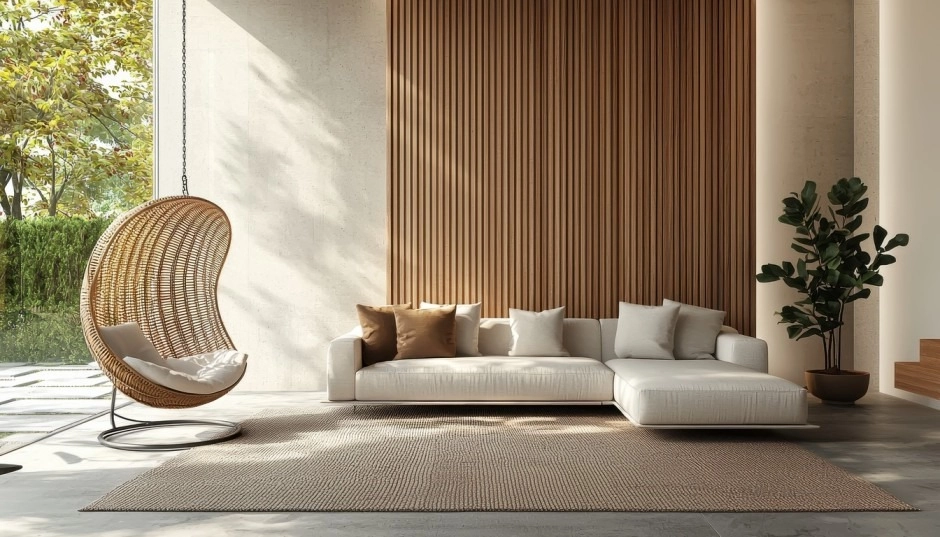
You don't need to follow strict rules to achieve a minimalist look. Start by choosing a simple color palette—many minimalist spaces use whites, creams, and neutral tones with natural wood touches. For inspiration and unique pieces, you might want to check out Jully's Place.

Add just a few meaningful pieces rather than filling every inch of space. This clutter-free approach helps create a calm feeling when you walk into the room.

Remember that minimalism is personal. Your version might include clean lines and just the essentials or have more texture and warmth than expected. The goal is to surround yourself only with things that serve a purpose or bring you joy.

When your living room has less visual noise, it becomes a more relaxing place to spend time.

Principles of Minimalist Design

The minimalist design features clean lines, neutral colors, and a focus on functionality. Embrace simplicity by letting go of what’s unnecessary and keeping only what is useful or brings you joy.

A minimalist living room typically includes:

  • Open space with minimal furniture
  • A limited color palette (usually whites, grays, blacks, and earth tones)
  • Quality materials that stand the test of time
  • Clean, straight lines with little ornamentation

The "less is more" approach means choosing quality over quantity.

Instead of filling your space with many cheap items, invest in fewer high-quality pieces that will last longer and serve you better.

The Philosophy Behind Less Is More

The minimalist philosophy goes beyond aesthetics—it's about intentional living. By creating a space that supports your well-being rather than overwhelming you with visual noise and maintenance, you're creating a space that supports your well-being.

When you reduce clutter, you create room to breathe and think. Your living room becomes a place of calm rather than chaos.

This approach values experiences over possessions and simplicity over complexity.

Many people find that a minimalist style helps reduce stress and anxiety.

With fewer things to organize, clean, and maintain, you gain more time and mental space for activities you enjoy.

Functionality in Living Spaces

When designing a minimalist living room, consider how you will actually use the space. Every item should serve a purpose.

Ask yourself: "Do I need this?" If something doesn't add value to your daily life, consider removing it.

Choose furniture that offers multiple functions. A storage ottoman doubles as seating, a footrest, and a discreet spot to tuck away blankets.

Wall-mounted shelves free up floor space while showcasing only your most cherished items.

Remember that functionality doesn't mean boring. Select pieces that work well but also bring you joy. A comfortable sofa in a clean design will become the heart of your living room.

Practical organization systems help maintain order. Simple baskets, drawer dividers, and furniture with built-in storage keep clutter at bay without adding visual noise.

Creating an Open Space Layout

You'll want to arrange furniture to create a sense of openness.

Shift furniture away from the walls to open up space and enhance the flow of your living room. This simple change can make even small spaces feel larger.

Try the "negative space" approach - the empty areas between objects are just as important as the objects themselves.

This gives your eyes places to rest and creates a peaceful atmosphere.

Consider these layout tips:

  • Position seating to encourage conversation
  • Leave clear pathways for movement
  • Use area rugs to define zones without walls
  • Keep windows unobstructed for natural light

An open layout helps light move through your space, essential for a minimalist vibe. Remove unnecessary doors or partitions to enhance this effect.

Ready to upgrade your home?
Let us help you. Call or Text Kenna Real Estate Group at 303-955-4220 to get personalized assistance from our expert real estate agents. Find out what your home is worth in today's market.

Working with Neutrals

Neutral colors serve as the foundation of any minimalist living room. Whites, off-whites, soft grays, and beiges create a sense of space and light.

These colors work as a blank canvas for your furniture and decor.

When picking your base colors, think about the feeling you want in your room. Warm neutrals like ivory and taupe make spaces feel cozy and welcoming.

Cooler tones like light gray and crisp white create a more modern, airy vibe.

Try using different shades of the same neutral for a monochromatic color scheme. This adds depth without clutter.

You might paint walls in a soft white while choosing creamy ivory or light taupe furniture.

Textured neutral items can add interest without breaking your color scheme. For example, a nubby beige throw or matte white vase brings visual appeal.

Adding an Accent with Purpose

Even minimalist rooms benefit from a bit of contrast. Pick one or two accent colors to add personality to your neutral base. Black is classic for minimalist spaces - it adds definition and grounds the room.

You don't need bright colors to make an impact. Consider navy blue, deep olive, or warm cognac as sophisticated accent options. These colors add warmth without overwhelming your calm space.

Keep your accent colors to 10-20% of your overall design. Too much will defeat the minimalist vibe.

A cognac leather chair, navy blue throw pillows, or black picture frames are perfect ways to incorporate these pops of color.

Remember that natural materials like wood can also serve as accent "colors." A medium-toned wooden coffee table provides warmth and contrast against neutral furniture.

How To Create A Minimalist Living Room: Simple Steps for a Clean, Uncluttered Space

Maximizing Natural Light

Natural light is key to a minimalist living room. Remove heavy curtains and opt for sheer fabrics or simple blinds that let sunshine flow freely.

Place mirrors opposite windows to bounce light across the room.

Large windows strengthen your connection to the outdoors. If possible, leave windows uncovered during daylight hours. This helps your space feel more open and airy.

For evenings, choose warm-toned LED lighting that mimics natural sunlight. Place lamps strategically rather than relying on harsh overhead lighting.

This creates a cozy atmosphere while maintaining the minimalist aesthetic.

Consider your furniture placement, too. Avoid blocking windows with tall pieces that might obstruct light flow.

Natural Textures

Wood furniture adds instant warmth to minimalist spaces. Choose pieces with simple lines and natural finishes rather than painted surfaces.

A wooden coffee table or shelving unit can act as the room's main focal point.

Add subtle texture with natural fabrics like cotton, linen, or wool.

A simple linen throw or cotton cushions bring comfort without visual clutter.

Consider these natural elements for your space:

  • Jute or sisal rugs
  • Wooden or stone accent pieces
  • Cotton or linen curtains
  • Clay or ceramic vases
  • Bamboo or rattan baskets

Plants are perfect for minimalist rooms. Choose 2-3 statement plants rather than many small ones.

Snake plants and fiddle leaf figs offer dramatic shapes with minimal maintenance.

For wall décor, try a single piece of driftwood or a framed pressed leaf instead of busy artwork.

Choosing Pieces with Clean Lines

Look for furniture with simple, clean lines and minimal ornamentation. These pieces create a sense of calm and don't overwhelm your space visually.

A sofa with a straight silhouette and without excessive cushions or tufting works well.

Avoid furniture with ornate details, carved elements, or busy patterns. Instead, choose items with organic shapes and sculptural qualities that can serve as subtle focal points.

Consider floating your furniture in the center of the room rather than pushing everything against the walls. This creates an open layout that enhances the minimalist feel.

Multi-functional furniture is your best friend. Look for coffee tables with storage, extendable dining tables, or sofas that convert to beds.

These pieces reduce the total number of items you need.

Opting for Quality over Quantity

Ready to upgrade your home?
Let us help you. Call or Text Kenna Real Estate Group at 303-955-4220 to get personalized assistance from our expert real estate agents. Find out what your home is worth in today's market.

Invest in fewer, higher-quality pieces in a minimalist home rather than many cheaper items.

Quality furniture endures over time and keeps its appearance, which is crucial when every piece makes a statement.

Choose neutral colors for your main furniture. Whites, beiges, grays, and blacks create a cohesive look and make your space feel larger and more open.

Instead of a cluttered gallery wall, select one or two meaningful art pieces to display—consider exploring options for picture framing nearby to elevate the presentation with clean, modern frames that suit your space.

The empty wall space around them becomes part of your minimalist design.

Creating Order with Storage

Wall-mounted shelves are perfect for minimalist spaces. They use vertical space efficiently without consuming valuable floor area.

Choose floating shelves with clean, simple designs that complement your existing decor.

Opt for furniture with integrated storage, such as coffee tables with drawers or ottomans that conceal items. This provides both style and practicality.

They hide items while maintaining your room's clean aesthetic.

Look for slim console tables behind sofas or along walls. These provide display space for a few carefully chosen items while offering hidden storage.

Baskets and boxes in neutral tones can organize smaller items.

Place them on shelves or under furniture to maintain visual calm while keeping necessities within reach.

Minimalist Lifestyle

Start your decluttering process by sorting items into keep, donate, and discard piles. Be honest about what you actually use and what just takes up space.

The "one in, one out" rule helps maintain your minimalist living room.

When you bring in something new, remove something old to prevent accumulation.

Focus on items that serve multiple purposes. A side table with extra seating saves space and reduces visual clutter.

Digital solutions can reduce physical clutter.

Consider digitizing documents, books, and media to free up physical storage.

Choosing Decor that Adds Texture

In a minimalist space, texture becomes very important. You need contrast to keep the room from feeling flat or dull.

Add a soft wool throw blanket on your sofa or a natural fiber rug underfoot. These elements bring warmth without visual clutter.

Plants are also perfect for minimal spaces. A tall fiddle-leaf fig or snake plant adds life and texture with clean lines.

Consider textured pottery or ceramic vases in neutral colors as planters.

Wall textures can also be effective. A single textured wall panel or a simple canvas with raised elements creates interest without overwhelming the space.

Remember that in minimalism, each item should serve a purpose or bring joy.

Good statement pieces might include:

  • A striking floor lamp with architectural lines
  • A unique coffee table with a simple design
  • A bold, oversized piece of abstract art

When selecting statement items, focus on quality over quantity. It's better to save for one beautiful piece that will last years rather than fill your space with trendy items.

Your statement pieces should feel natural in the room, not forced.

How To Create A Minimalist Living Room: Simple Steps for a Clean, Uncluttered Space

Keeping Surfaces Clear

Visual clutter is the enemy of minimalism. Make it a habit to clean surfaces at the end of each day. This simple five-minute routine prevents items from piling up.

Try the "one in, one out" rule for your living room. When you bring in something new, remove something else.

This keeps your possessions balanced and prevents accumulation.

Use hidden storage for items you need but don't want visible. Furniture with built-in storage works well for remotes, magazines, and other everyday items.

Assign a proper home for everything. When each item has a designated place, you're likelier to put it away rather than leave it on a table or couch.

Regularly Reassessing Your Space

Ready to upgrade your home?
Let us help you. Call or Text Kenna Real Estate Group at 303-955-4220 to get personalized assistance from our expert real estate agents. Find out what your home is worth in today's market.

Pay attention to how the room feels. If you notice tension or stress when entering, it might be time to simplify further. The goal is tranquility.

Consider the color palette regularly. Neutral tones and muted colors help maintain a calm atmosphere.

If bright, jarring items have crept in, you should replace them.

Take photos of your living room every few months. Comparing these images helps you notice subtle changes and prevent gradual clutter buildup.

You'll be surprised how much can change without you noticing.

Applying Minimalist Concepts to the Kitchen

Your kitchen can become a minimalist haven with a few thoughtful changes.

Start by clearing the countertops of appliances you don't use daily. That coffee maker? Keep it.

The bread machine you use twice a year? Store it away.

Choose open shelving for items you use often. This creates visual space while keeping necessities accessible.

Consider a neutral color palette with white cabinets, light countertops, and maybe one accent color for visual interest.

Smart storage is crucial in a minimalist kitchen. To maintain order, use drawer dividers, cabinet organizers, and labeled containers.

Remember, every item should have a specific home.

Designing a Minimalist Bedroom Sanctuary

Your bedroom should be your ultimate peaceful space.

Begin by removing anything that doesn't belong - work materials, exercise equipment, and random storage items that need new homes elsewhere.

Focus on the essentials:

  • A comfortable bed with simple, quality bedding
  • A small nightstand with just a lamp and maybe a book
  • Proper clothing storage that keeps items out of sight
  • Minimal wall décor (1-2 pieces maximum)

Choose a calming color scheme with soft neutrals. Whites, creams, and light grays create a sense of spaciousness and tranquility.

Lighting matters, too. Use a mix of natural light, a ceiling fixture with a dimmer, and a reading lamp. Soft, warm lighting helps transition your mind to rest.

Keep surfaces clear except for a few meaningful items. This visual simplicity helps your mind relax when it's time to sleep.

Simplifying the Bathroom Design

Bathrooms often collect products we rarely use. Start your minimalist bathroom by gathering all products and keeping only what you use regularly.

One shampoo, one conditioner, one body wash - you get the idea.

Invest in simple storage solutions like floating shelves or cabinet organizers. Clear containers for cotton swabs or bath salts add function without visual noise.

Choose a consistent color scheme with whites and neutral tones. Add warmth with wooden elements or plants that thrive in humidity.

Hide personal care items in cabinets or drawers rather than displaying them. Keep countertops clear except for hand soap and perhaps a tiny plant.

For towels, select quality over quantity. A few well-made towels in matching colors look intentional and neat. Hang them on simple hooks or rails for easy access and drying.

Ready to upgrade your home?
Let us help you. Call or Text Kenna Real Estate Group at 303-955-4220 to get personalized assistance from our expert real estate agents. Find out what your home is worth in today's market.

Frequently Asked Questions

Creating a minimalist living room raises many common questions. Here are answers to help you achieve a clean, simplified space that feels welcoming and functional.

What are some key elements of a minimalist living room design?

A minimalist living room focuses on simplicity and purpose. For walls and larger furniture pieces, stick to neutral colors like white, beige, and soft grays.

Natural light is essential, so keep window treatments simple or eliminate them if privacy isn't a concern. Quality lighting fixtures can create warmth without clutter.

Each item should serve a purpose. Ask yourself if you truly need something before adding it to your space. When in doubt, leave it out.

Textures help create interest without adding visual clutter. Consider a natural fiber rug, a textured throw, or wooden elements to add depth.

How can you select furniture for a minimalist living room?

When possible, choose multi-functional furniture. A storage ottoman can serve as seating, storage, and a coffee table in one piece.

Look for clean lines and simple shapes. Avoid ornate details or busy patterns that create visual noise.

Prioritize quality over quantity. Choose well-crafted pieces that stand the test of time rather than overcrowding your space with temporary furniture.

Consider scale carefully. Oversized furniture can overwhelm a minimalist space, while too small pieces may feel disconnected.

How can you create a minimalist living room in a small apartment or space?

Use vertical space with wall-mounted shelving or tall, narrow bookcases to maximize storage without using floor space.

Choose furniture with exposed legs to create a sense of openness and airiness. This small detail can make a room feel significantly larger.

Mirrors are invaluable in small spaces. When placed thoughtfully, they reflect light and make the area feel larger.

Hidden storage is essential. Look for coffee tables with drawers, sofas with storage underneath, or wall units that conceal items.

What are budget-friendly ways to achieve a minimalist living room aesthetic?

Start by decluttering what you already have. Often, removing items creates a more minimalist look without spending anything.

Paint is an affordable way to transform a space. A fresh white or neutral paint coat can instantly create a minimalist backdrop.

Shop secondhand for quality furniture with clean lines. Vintage mid-century pieces often work perfectly in minimalist spaces.

Invest gradually in key pieces rather than trying to transform your space simultaneously. Focus first on larger items like your sofa or coffee table.

Related Articles

Contact Kenna Real Estate Group

WRITTEN BY
Brian Lee Burke
Brian Lee Burke
AUTHOR, E-PRO®, REALTOR® BROKER

Brian Lee Burke is the founder and team leader of Kenna Real Estate Group, a real estate team at Keller Williams DTC. A licensed REALTOR® since 2002, Brian helps Colorado buyers and sellers navigate residential real estate, new construction, pricing, and negotiation. He is also the author of The Real Estate Playbook and Mastering Real Estate: Your Guide to Becoming a Top Agent.

View Brian Lee Burke’s full profile.