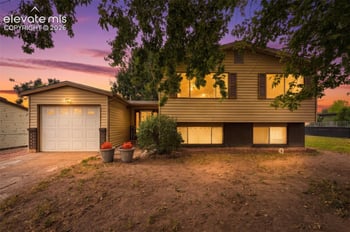
New - 2 Hours Ago
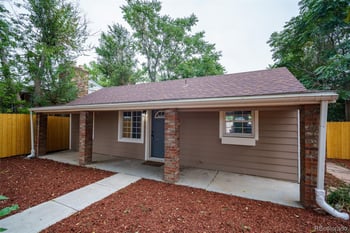
$400,000
Coming Soon
2
Beds
1
Baths
709
Sqft
0.14
Acres
1240 S Navajo St, Denver, CO 80223
MLS#: REC6506849
.jpg)


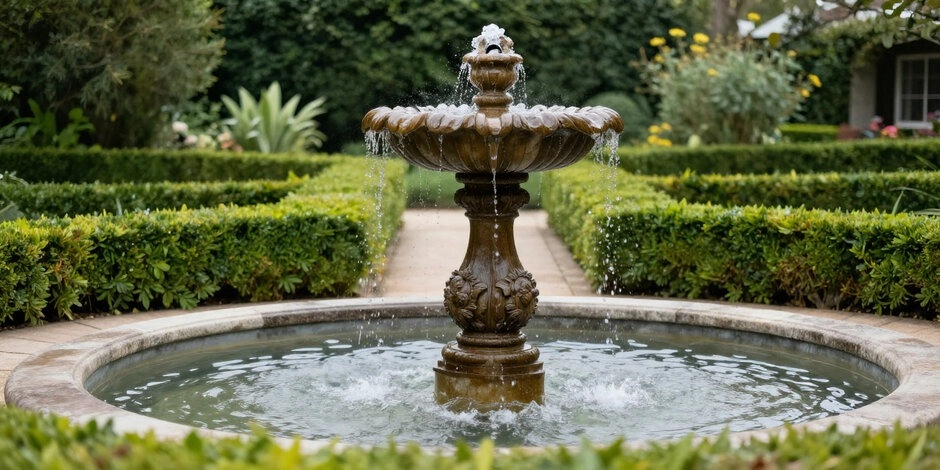
An outdoor fountain shapes how a Colorado yard feels and, done right, how it holds up through winter. Feng Shui treats moving water as an element that supports calm and prosperity when it is placed with intention; the Front Range climate adds its own rules for keeping that water feature intact through freeze-thaw cycles and 300 days of sun a year.
Feng Shui principles place moving water near a home's entrance, a side yard visible from a main living space, or a garden path, where the sound and motion draw the eye without dominating it. On a Front Range lot, pair that placement with a spot that drains away from the foundation and is not directly under roof runoff, which adds unplanned volume during spring storms.
Most Front Range HOAs and metro districts review permanent water features, including fountains over a certain size or height, as part of their architectural review process. Check the community's design guidelines before installing anything larger than a small tabletop unit; the Kenna Real Estate Group's Denver HOA rules and fees guide explains what a typical review submission includes.
Denver, Colorado Springs, and Fort Collins all see repeated freeze-thaw cycles from October through April, and standing water left in a fountain basin over winter can crack stone, concrete, and ceramic. Drain the basin, remove and store the pump indoors, and cover the fountain before the first hard freeze; a heated birdbath-style base works for small units that stay in place year-round.
| Fountain type | Installed cost | Front Range note |
|---|---|---|
| Tabletop or small tiered unit | $150 - $600 | Easiest to drain and store for winter |
| Mid-size stone or concrete garden fountain | $800 - $2,500 | Needs a frost-resistant basin and a drain plan |
| Pondless disappearing fountain | $2,000 - $6,000 | Reservoir sits below the frost line, reducing winter risk |
| Large custom water feature | $5,000 - $15,000+ | Electrical and plumbing runs add cost on sloped lots |
Yes. Low humidity and wind at altitude increase evaporation, so a fountain on the Front Range loses more water per week than the same unit would at sea level. Check the reservoir weekly during summer and top it off before the pump runs dry, which burns out the motor.
A closed-loop, recirculating fountain uses very little water compared with irrigation, but Denver Water and other Front Range utilities can still restrict outdoor water use, including fill-ups and top-offs, during drought stages. Check current watering rules for the property's water provider before installing a feature that needs frequent refilling.
A standard suburban lot in Aurora, Littleton, or Thornton handles a 2- to 4-foot tiered fountain comfortably as a focal point near a patio or entry. Larger lots and horse properties in Douglas and Elbert County can support a pondless feature or multi-tier design without overwhelming the space.
A well-maintained water feature supports curb appeal and can help a listing photograph well, but it rarely returns its full installed cost as a standalone upgrade. See the Kenna Real Estate Group's guide to preparing and adding value before selling for how landscaping projects compare with kitchen, bath, and exterior work.
Denver's elevation of 5,280 feet means roughly 25% more UV exposure than at sea level, which fades sealants and coatings on cast stone and concrete fountains faster than in lower-elevation climates. Reapply a UV-rated sealant every 1 to 2 years to keep the finish from chalking and cracking.
Cast stone rated for freeze-thaw exposure, fiberglass, and resin composites handle the Front Range's dozens of annual freeze-thaw cycles better than untreated concrete or natural stone with high water absorption. A stone outdoor fountain built for cold climates commonly specifies a freeze-thaw rating; ask before buying if the listing does not say.
A small plug-in pump on a GFCI-protected outdoor outlet does not need an electrician. A hardwired pump, a lighted fountain, or any run that crosses a patio or walkway does need a licensed electrician to route conduit and meet local code.
Plan on a weekly water top-off during summer, a monthly basin cleaning to clear cottonwood seed and pine needles, and a full fall drain-and-store before the first freeze. Algae grows slower at altitude than in humid climates, so most Front Range fountains need less chemical treatment than fountains in warmer regions.
Yes, and Feng Shui treats an entrance placement as one of the strongest spots for a water feature, since it is the point where energy is said to enter the home. On a Front Range lot, keep the fountain at least a few feet from the foundation and from any walkway that ices over in winter, since splash and overspray can create a slip hazard once temperatures drop.
A balanced garden pairs the fountain's water with wood in the form of plantings, earth in the form of stone or gravel beds, metal in the fountain's basin or trim, and fire in the form of a nearby light fixture or warm-toned accent. On the Front Range, native and drought-tolerant plants fill the wood role well, since they hold up to intense sun and low humidity without heavy irrigation that competes with the fountain's water use.
Thinner air at 5,280 feet carries sound slightly differently than at sea level, and lower air pressure can make a spray pattern fan out a bit wider than the same pump produces at lower elevations. Test a fountain's spray height and pattern after installation and adjust the flow valve rather than assuming the manufacturer's sea-level specifications will match exactly.
The Kenna Real Estate Group helps Front Range sellers weigh which landscaping and outdoor projects are worth the cost before listing, and helps buyers understand what they are taking on with an existing water feature. Call or text 303-955-4220. A live person answers. Not a robot, not a phone tree. Ask for the printable pre-listing exterior checklist in the form below and we email it the same day. search every home for sale in Colorado at kennarealestate.com/homes.
Questions about any home in Colorado? Call or text 303-955-4220. A live person answers.
Near a home's entrance or a garden path where it is visible from indoor living space, positioned so water appears to flow toward the house rather than away from it.
Small plug-in units cannot run through a Front Range winter without draining and storing the pump before the first hard freeze. A pondless feature with its reservoir below the frost line can sometimes run through mild winters with a floating de-icer.
It pairs water with wood (plants), earth (stone), metal (fountain basin or trim), and fire (light), aiming for no single element to dominate the space.
Most cities do not require a building permit for a freestanding fountain; check with the local building department if electrical or plumbing work is involved.
Every 1 to 2 years, given the stronger UV exposure at 5,280 feet compared with lower-elevation climates.
Moving, recirculating water discourages mosquito breeding better than standing water, since mosquitoes need still water to lay eggs.
A tabletop or small tiered fountain in the $150 to $600 range is the lowest-cost option and is easy to bring indoors for winter.
A small plug-in unit is a straightforward DIY project; a pondless or hardwired feature with electrical work is better handled by a landscape or electrical professional.