.jpg)


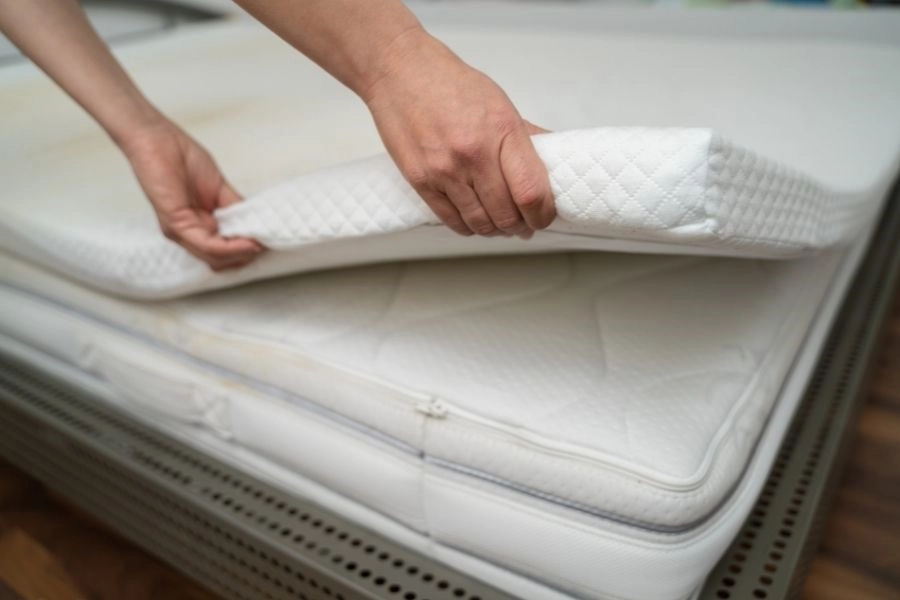
A mattress that felt fine at sea level can sleep differently once it is in a Colorado home, where dry winter air, altitude, and a wide temperature swing between day and night all affect comfort. Here is how to make a mattress more comfortable in a Front Range bedroom and what to check before buying new.
Why does a mattress feel different in a Colorado bedroom?
Indoor humidity drops to 10 to 25 percent in winter once forced-air heat runs constantly, which dries out foam and fabric layers faster than in a humid climate and can make a mattress feel firmer or more static-prone. A bedroom humidifier that keeps the room closer to 35 to 45 percent helps both comfort and the mattress materials themselves. If you are settling into a new home on the Front Range, see our guide to moving to Denver for more on adjusting to the climate.
What is the easiest way to make an existing mattress more comfortable?
- Add a mattress topper: a 2 to 3 inch memory foam or latex topper adds cushioning without replacing the whole mattress.
- Rotate it regularly: rotate head to foot every three months to even out wear, especially important on a mattress that gets more use on one side.
- Check the foundation: a sagging or unsupportive box spring or slat base undermines even a good mattress.
- Use breathable sheets: cotton or linen sheets help regulate temperature better than synthetic blends, useful given Colorado's dry heat.
Does a new bed frame improve mattress comfort?
Yes, indirectly. A frame with proper slat support (spaced no more than 2.75 inches apart for a foam mattress) prevents sagging that no topper can fully correct. A well-built bed frame with reliable, evenly spaced support protects the mattress investment and keeps it performing as intended for longer, whatever brand or retailer it comes from.
How does Colorado's dry air affect mattress materials?
Memory foam can feel firmer in low humidity and cold temperatures since foam density responds to both, which is one reason a mattress that felt soft in a warmer, more humid state can feel different once acclimated to a Colorado bedroom. Give a new mattress two to four weeks to fully acclimate before judging its feel.
What temperature should a Colorado bedroom stay at for better sleep?
Most sleep guidance points to 65 to 68 degrees Fahrenheit as ideal, and Colorado's night-to-day temperature swings make this easier to maintain naturally in shoulder seasons but harder in a hot, sun-facing bedroom during summer afternoons. A programmable thermostat with bedroom zoning helps maintain a consistent sleep temperature through the year.
Does static electricity from dry air affect mattress comfort?
Yes, dry winter air increases static buildup in synthetic bedding and mattress covers. A humidifier and natural-fiber sheets reduce static significantly compared to synthetic blends, which is a small but real comfort factor unique to Colorado's low-humidity winters.
When should you replace a mattress instead of adjusting it?
Replace it when you wake up with new aches, when it visibly sags in the middle, or when it is past 7 to 10 years old for most foam and hybrid mattresses. A topper and better foundation help, but they cannot fix a mattress that has broken down structurally.
Does mattress condition matter when selling a Colorado home?
Furniture and mattresses do not convey with most home sales and are not part of a home's value, but a primary bedroom that looks fresh and well cared for during a showing supports a stronger first impression. If staging with existing furniture, make sure bedding looks new and unworn for listing photos.
Does altitude itself affect sleep quality in Colorado?
Lower oxygen levels at altitude can affect sleep for people newly relocated to the Front Range or to higher-elevation mountain towns, sometimes causing lighter or more disrupted sleep in the first weeks after a move. This improves with acclimation over several weeks to a few months. A comfortable, well-supported mattress and a cool, well-humidified bedroom help the adjustment along.
What mattress type works best for Colorado's temperature swings?
Hybrid mattresses combining coils and foam tend to regulate temperature better than all-foam mattresses, since the coil layer allows more airflow. This matters in a state where a bedroom can feel warm midday from direct sun and cool quickly once the sun sets, especially in homes without zoned heating and cooling.
Should new Colorado residents replace a mattress after relocating?
Not necessarily right away. Give a mattress that traveled with you several weeks to acclimate to the new home's humidity and temperature before deciding it needs replacement, since a change in feel after a move traces back to the room's climate in most cases, not the mattress itself. If discomfort persists past a month, evaluate the mattress, the bed frame support, and the bedroom's humidity levels together.
How do Colorado's seasonal humidity swings affect mattress protectors and covers?
A breathable, moisture-wicking mattress protector helps in both directions: it manages the low humidity of winter, when static and dryness are the issue, and the occasional summer humidity spike during Colorado's monsoon season in July and August. Avoid fully waterproof vinyl-backed protectors that trap heat and moisture against the mattress, since they perform poorly across Colorado's wide seasonal range.
What is the average cost of a new mattress for a Colorado bedroom?
Mattress prices vary widely by size, materials, and brand, from budget foam options in the low hundreds of dollars to premium hybrid and latex mattresses well into four figures. There is no Colorado-specific pricing difference; the more relevant factor here is choosing a mattress and bedroom setup, humidity, temperature, support, that together produce consistent comfort through the state's dry winters and warm, sunny summers.
Does bedroom placement in a Colorado home affect mattress comfort?
Yes. A primary bedroom on a west-facing exterior wall gets more direct afternoon sun and can run warmer in summer, while a north-facing bedroom stays cooler and needs extra layering in winter. If you are choosing between bedrooms in a home you are touring, or deciding where to place furniture in a new build, factor in which direction the room faces and how that will affect year-round temperature and mattress comfort.
Should Colorado homeowners buy a mattress locally or order online?
Either works, but a mattress ordered online and compressed for shipping needs its full expansion and acclimation window, 24 to 72 hours as a baseline, before it reflects its true feel, and that window can run slightly longer in Colorado's dry air and thinner atmosphere than the manufacturer's sea-level estimate. Local delivery from a Front Range retailer skips the compression step and gives a more immediate sense of the mattress's actual feel.
Where to go next
- See which upgrades add resale value before you sell
- Search every home for sale in Colorado
- Denver area guide
- Simple bedroom decluttering tips that actually make a difference
- How to transition your bedroom from summer to winter
Talk to the Kenna Real Estate Group
Whether you are settling into a new Front Range home and adjusting your bedroom setup or preparing to list and want to know what buyers notice in a primary bedroom, the Kenna Real Estate Group at Keller Williams DTC is here to help. Call or text 303-955-4220. A live person answers. Not a robot, not a phone tree. Ready to see what's on the market? Search every home for sale in Colorado.
Homes for sale that match this post
Guides
Questions about any home in Colorado? Call or text 303-955-4220. A live person answers.