New - Just Now

$585,000
Coming Soon
3
Beds
3
Baths
2002
Sqft
0.06
Acres
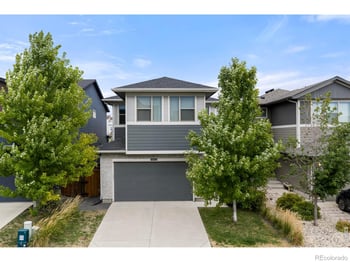
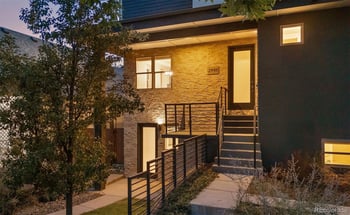
1834 W 66th Ave, Denver, CO 80221
MLS#: REC9216253
.jpg)


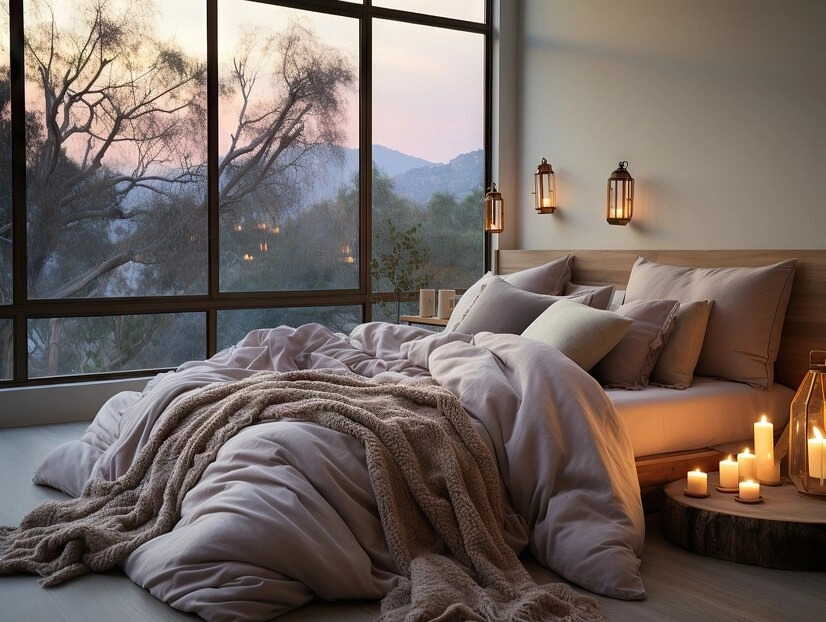
A Colorado bedroom needs three things to handle the shift from summer to winter: sealed windows, added humidity, and heavier textiles that hold warmth without trapping the dry indoor air the Front Range is known for. Handle those three and the rest is styling.
Heat loss through an older window costs more over a Denver winter than any blanket upgrade saves. Run a hand along the frame on a windy day; a draft means the seal has failed. In an older Front Range home, weatherstripping and a fresh bead of caulk around the frame stop most drafts for under $50 per window. For a full replacement, look for windows rated U-0.30 or lower, which hold heat far better than the single-pane or older double-pane windows common in homes built before 1990.
Xcel Energy runs seasonal rebate programs for insulation, air sealing and efficient windows for Colorado customers; amounts and eligible products change year to year, so check the current rebate list on Xcel's site before buying. A local windows & doors company familiar with Front Range homes can confirm which products on a given job qualify for a rebate and which U-rating fits an older home's frame.
Denver's relative humidity commonly drops into the teens and twenties during winter heating season, well below the 30% to 50% range that keeps skin, sinuses and wood furniture from drying out. Static builds up in synthetic bedding faster in this kind of air, so natural fibers like cotton flannel, wool or a down-alternative comforter hold up better and feel less scratchy against dry skin than synthetic blends. The altitude compounds the effect: thinner air holds less moisture to begin with, so a furnace running through a Front Range winter dries out a bedroom faster than the same furnace would at sea level.
Front Range winter days can swing 30 to 40 degrees between a sunny afternoon and an overnight low. Layer a flannel sheet set, a mid-weight blanket, and a duvet that pulls back partway on a warm afternoon, rather than one heavy comforter that is either too warm or too cold. A washable duvet cover keeps laundry simple through a season when bedding gets used every night.
Yes, for most Front Range homes in winter. A console or whole-room humidifier that keeps the bedroom around 30% to 40% relative humidity cuts down on dry throat, cracked skin and static shock, and it protects wood furniture and flooring from drying out and cracking over a full heating season. Clean the tank weekly to prevent mineral buildup from Denver's hard water.
A setting of 65 to 68 degrees during sleeping hours balances comfort with heating cost at altitude, where furnaces work harder against outdoor lows that regularly drop below freezing from December through February. A programmable or smart thermostat that lowers the temperature further overnight and during work hours cuts the heating bill without a manual adjustment every day.
A wool or wool-blend area rug over hardwood or laminate flooring adds warmth underfoot and cuts heat loss through the floor in an older home without a subfloor vapor barrier. Swap a lightweight summer runner for a thicker pile rug near the bed, where bare feet hit the floor first each morning.
Colorado's hail season runs from spring through September, which means window and roof work scheduled for the fall and winter avoids the risk of hail damage before a new install is even finished. If a bedroom window faces west or northwest, ask the contractor about impact-resistant glass, since that orientation catches the most severe Front Range storms.
Warm neutrals, deep green, rust and charcoal read warmer under the shorter winter daylight hours than the light, airy palette that works for a summer bedroom. A wool throw, a textured headboard, and a warmer bulb temperature (2700K to 3000K) in the bedside lamps do more for a cozy feel than a full repaint. Colorado's roughly 300 sunny days a year mean a bedroom still gets strong daylight even in January, so pair the darker palette with a light-filtering shade rather than a heavy blackout curtain if morning light is part of the appeal of the room.
New, energy-efficient windows are one of the upgrades covered in the Kenna preparing and adding value guide, and Front Range buyers ask about them directly during a showing, especially in a home built before 2000. They will not carry the same dollar-for-dollar return as a kitchen remodel, but they remove an objection that can otherwise slow down a sale or come up during inspection.
Interior storm windows add a second layer of insulation over an existing window for a fraction of full replacement cost, which makes them a practical option for a historic or older Denver-area home where replacing the original windows is not in the current budget. They install in a weekend and come off again in spring. A basic acrylic panel kit runs $30 to $80 per window, while a custom-fit interior storm window from a specialty installer runs closer to $150 to $300 per window and holds up better over several seasons.
Down and down-alternative comforters both work in a Colorado bedroom, but the fill weight matters more than the material. A midweight fill (300 to 400 grams) covers a typical heated Denver-area bedroom through most of the season; a heavier fill makes sense only in a bedroom that runs cold overnight, such as a room over an unheated garage or on the north side of the house. Whichever fill is chosen, look for a breathable cotton shell rather than a synthetic one, since it manages the moisture the body loses overnight better in an already-dry climate.
Move summer sheets, lightweight quilts and warm-weather throws to a bin at the back of the closet, and bring the flannel sheets, wool blankets and heavier duvet cover forward where they are easy to reach. A cedar block or lavender sachet in the storage bin keeps the summer linens from picking up a closed-closet smell over a Colorado winter, since indoor humidity is already low enough that mildew is rarely the concern — stale air is.
The Kenna Real Estate Group tracks which winter-ready upgrades matter most to Front Range buyers and sellers, from window efficiency to overall move-in comfort. Call or text 303-955-4220. A live person answers. Not a robot, not a phone tree. Thinking about your next home before the cold sets in? Search every home for sale in Colorado.
Questions about any home in Colorado? Call or text 303-955-4220. A live person answers.
Seal and weatherstrip the windows first, add a humidifier to counter dry indoor air, then layer flannel sheets, a mid-weight blanket and a duvet instead of one heavy comforter.
Yes, indoor humidity commonly drops into the teens and twenties in winter. Natural fibers like cotton flannel and wool handle that dryness better than synthetic blends, which build up static.
Most Front Range homes benefit from a humidifier that keeps the bedroom around 30% to 40% relative humidity, which cuts dry skin, static and cracking in wood furniture and flooring.
Xcel Energy runs seasonal rebate programs for efficient windows and air sealing. Amounts and eligible products change, so check the current list before buying.
65 to 68 degrees during sleeping hours balances comfort and heating cost at altitude, where outdoor lows regularly drop below freezing from December through February.
Fall or winter avoids the hail season, which runs from spring through September and can damage a brand-new installation before it is finished.
They will not match a kitchen remodel's return, but efficient windows remove a common objection buyers raise during a showing or inspection on a home built before 2000.
Interior storm windows add insulation over an existing window for a fraction of full replacement cost, which works well for a historic home not ready for a full window swap.