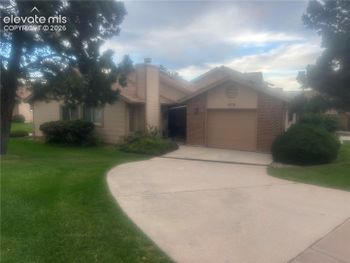
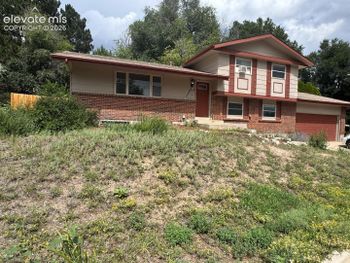
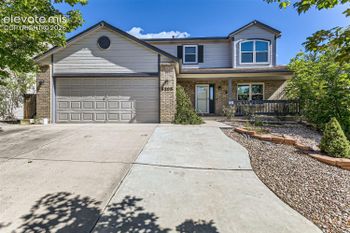
New - 2 Hours Ago
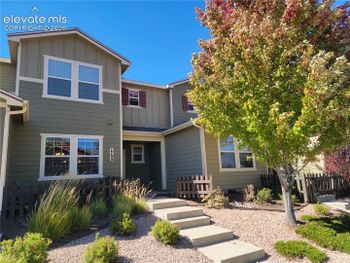
$359,900
Coming Soon
3
Beds
3
Baths
1363
Sqft
0.0469
Acres
1799 Portland Gold Dr, Colorado Springs, CO 80905
MLS#: 8973049
.jpg)


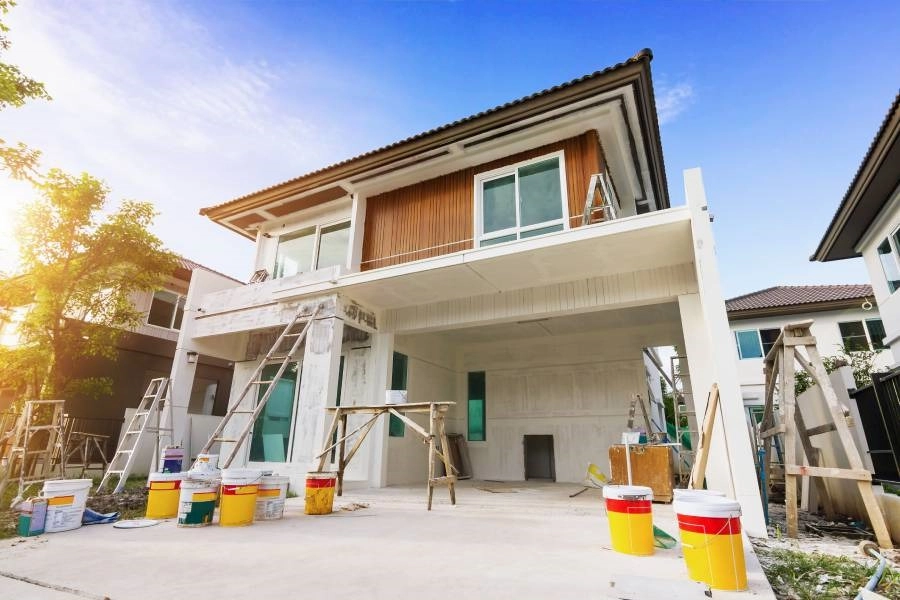
A home under construction is a work site first and a house second, and Colorado owners who understand that distinction protect both their investment and the people who set foot on it. Insurance, inspections and a written site-access agreement do more for a new build than a fence line ever will on its own.
The general contractor controls day-to-day conditions on an active build and carries the primary responsibility for the crew and the site. The property owner still has exposure for conditions on land they own, which is why insurance and a written access agreement matter even when you are not the one swinging a hammer.
Builder's risk insurance covers the structure itself, materials on site and sometimes existing structures, against fire, wind, hail and theft while the home is unfinished and cannot yet be covered by a standard homeowners policy. Either the builder or the owner can hold this policy depending on the contract, so confirm which one before the foundation goes in, not after a hailstorm.
| Coverage | What it covers | When it applies |
|---|---|---|
| Builder's risk | The structure, materials on site, some existing structures | From groundbreaking until the home is finished |
| General liability (contractor's) | Injury to visitors, subs, third parties | Entire construction period |
| Homeowners policy | The finished, occupied home | Starts at closing or move-in, not before |
Denver and most Front Range cities require erosion-control fencing, commonly a silt fence, around an active excavation or foundation as part of stormwater management. This barrier also marks the site boundary for anyone walking the property, which matters when a home under construction sits next to occupied neighbors. Aurora, Lakewood and Colorado Springs each enforce their own version of the same stormwater and site-perimeter requirement through the building permit.
Colorado's hail season runs from spring through September, which overlaps directly with the peak home-building season on the Front Range. An open roof deck, exposed framing or unprotected materials during a hailstorm can turn a delay into a builder's risk claim. Builders scheduling roof sheathing and dry-in during these months plan around forecasts more tightly than they would in winter.
Every Front Range jurisdiction requires a sequence of inspections during new construction: footing, foundation, framing, rough electrical and plumbing, insulation, and final. Each one is a checkpoint that catches an issue while it is still visible, before drywall or backfill covers it up. A homeowner tracking this schedule against the contractor's progress reports has an independent check on the pace and condition of the build.
Yes. OSHA, the federal agency that regulates workplace conditions, sets requirements for construction employers, including on residential job sites, covering fall protection, scaffolding, trenching and equipment. These rules govern the employer-employee relationship on site; they do not replace the property owner's own insurance and access decisions.
An active job site is not a place for a homeowner, a prospective buyer or a neighbor's child to wander through unsupervised. Put site-access rules in writing with the builder: who can enter, when, and with what notice. A documented access agreement is the difference between a builder's insurance responding to an incident and a homeowner facing the claim directly.
Denver sits at 5,280 feet, and Front Range elevations climb higher west of the city. Outdoor crews doing physical labor at altitude dehydrate and fatigue faster than at sea level, especially during the intense summer sun that overlaps with peak building season. Builders scheduling long concrete pours or roofing days plan earlier start times and more frequent breaks during the hottest stretch of the season for that reason.
Excavation, grading and heavy equipment on a tight urban lot can damage a fence, a tree's root system or a drainage path on the property next door. The contractor's general liability policy is the first line of coverage for this kind of claim, which is one more reason to confirm that policy is active before excavation starts rather than after equipment is already on site.
A build documented with permits, passed inspections and clean records is easier to insure, appraise and eventually sell than one with gaps in the paper trail. The new construction homes by area guide and the benefits of buying new construction in Colorado page both cover what documentation a buyer or appraiser expects to see once the home changes hands.
Buying or building new construction on the Front Range means asking the builder the right questions before the foundation is poured, not after. The Kenna Real Estate Group can walk a buyer through a builder's contract, warranty and inspection schedule before you sign. Call or text 303-955-4220. A live person answers. Not a robot, not a phone tree.
Ready to see what is on the market right now? Search every home for sale in Colorado.
Questions about any home in Colorado? Call or text 303-955-4220. A live person answers.
Either the builder or the owner can hold the policy, depending on the construction contract. Confirm which one before groundbreaking, since a standard homeowners policy does not cover an unfinished structure.
Denver and most Front Range cities require erosion-control fencing, commonly a silt fence, around an active excavation or foundation as part of stormwater management and permit conditions.
Colorado's hail season runs from spring through September and overlaps with peak building season. An exposed roof deck or unprotected materials during a hailstorm can trigger a builder's risk claim.
Front Range jurisdictions require footing, foundation, framing, rough electrical and plumbing, insulation and final inspections, each one a checkpoint before the work is covered up.
Yes. OSHA sets requirements for construction employers on residential job sites, covering fall protection, scaffolding and equipment for their own crews.
Yes. A written agreement covering who can enter the site, when, and with what notice protects both the homeowner and the builder if a visitor is hurt.
A build with permits, passed inspections and clean records is easier to appraise, insure and sell than one with gaps in the paper trail.