New - 3 Days Ago

$975,000
Active
6
Beds
5
Baths
4139
Sqft
0.24
Acres
1644 Ridgetrail Ln, Castle Rock, CO 80104
MLS#: 5055332
.jpg)


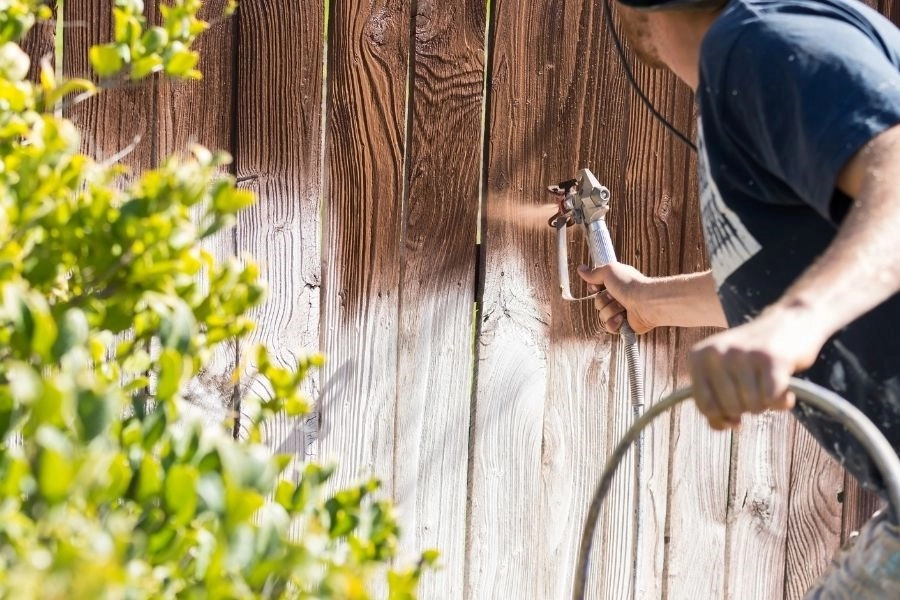
A Colorado winter attacks a fence from three directions at once: heavy wet snow that loads the panels, wind gusts off the foothills that rack the frame, and a freeze-thaw cycle in expansive clay soil that pushes posts out of plumb. Inspect the fence line before the first hard freeze, clear branches and snow buildup as the season goes, and reset any post that has shifted before the ground refreezes.
Denver and the Front Range sit on expansive bentonite clay in many neighborhoods. That soil swells when it absorbs snowmelt and shrinks as it dries, and every freeze-thaw cycle repeats the movement. A fence post set only 18 to 24 inches deep moves with the soil around it. Add wind gusts that regularly top 40 mph along the foothills corridor from Golden through Castle Rock, and a fence panel that was plumb in October leans by February.
Cut back any branch that hangs over the fence line before the first snowstorm. A branch weighed down with wet snow snaps onto the top rail and cracks it, and meltwater that drips onto a wood fence for days after a storm swells the fibers and starts rot at the post caps. After each snowfall, shovel or blow snow away from the base of the fence instead of piling it against the panels. A mound of snow against a wood fence holds moisture against the boards for weeks and saturates the soil right where the posts sit.
Apply an exterior stain or sealant to a wood fence before the first freeze; a sealed board resists the moisture swings that cause splitting. Wrought iron and chain link benefit from a rust-resistant coating, especially near streets where the county or municipality sprays magnesium chloride de-icer. Mag chloride splash corrodes untreated metal fasteners and hinges over a single season. Vinyl fencing needs no sealant, but rinse road-splash residue off it every few weeks in winter so the salt does not sit on the surface.
Run a string line from corner post to corner post and check for dips or rises every few weeks in January and February, the months when the freeze-thaw cycle runs hardest along the Front Range. A post that has heaved an inch or two resets in most cases with fresh gravel and compacted backfill; a post that has cracked at the base needs replacement before it takes the panel down with it. Setting posts below the local frost line, 30 to 36 inches in the Denver metro, and using a gravel base under the concrete footing reduces how much the post moves in future winters.
Solid privacy panels catch wind like a sail. In Golden, Morrison and other communities close to the hogback, gusts during a chinook event can exceed 60 mph and pull screws straight out of a post. A fence built with a few gaps between boards, or with wind-rated hardware and galvanized deck screws instead of nails, sheds more of that load. After any high-wind event, walk the fence line and re-tighten fasteners before the next storm arrives.
Denver, Aurora, Lakewood, Littleton, Centennial and Colorado Springs each set their own rules for fence height, setback from the property line, and whether a permit is required for a full rebuild versus a repair. Most cities allow repairs to an existing fence without a permit but require one for new construction or a height increase, and a fence over 6 feet in a rear yard commonly needs one everywhere. If the property sits inside an HOA or a metro district, review the Denver HOA rules and fees guide and get design approval before ordering materials; a fence installed in a color or material the covenants do not allow can trigger a violation notice and a forced replacement.
| Work | Typical Front Range cost |
|---|---|
| Reset 1 to 3 heaved posts | $150 to $450 per post |
| Replace a damaged wood panel section | $250 to $600 per section |
| Re-stain or reseal a wood fence (150 linear ft) | $500 to $1,200 |
| Full wood fence replacement (150 linear ft) | $4,000 to $9,000 |
| Full vinyl fence replacement (150 linear ft) | $6,000 to $13,000 |
Cedar and other rot-resistant woods handle the wet-dry swing well when sealed every 2 to 3 years, but they need that maintenance to reach a 15 to 20 year lifespan at altitude. Vinyl skips the staining but can crack in a hard freeze if it takes a direct impact, and hail season, which runs from spring through September on the Front Range, pits older vinyl panels. Powder-coated steel and wrought iron shrug off wind and snow load and need only an occasional touch-up where the coating chips. Near the foothills, where wildfire defensible space rules apply within 30 feet of a structure in unincorporated Jefferson and Douglas counties, a non-combustible metal or masonry fence section close to the house satisfies the clearance requirement better than a wood run. See more pre-winter exterior fixes in 8 curb appeal fixes for Front Range sellers.
A leaning, gray, or missing-panel fence reads as deferred maintenance to a buyer walking the yard, and it shows up as a line item in a Front Range home inspection. Colorado is a seller-disclosure state: known fence damage, including posts you already know are heaved, belongs on the disclosure form. Under the standard Colorado contract, a buyer's inspection objection deadline falls 10 to 14 days after acceptance in most cases, and a fence in poor repair is one of the most common items buyers raise during that window. Repairing it before listing costs less than renegotiating price or terms after the inspection; see preparing and adding value before selling for the rest of a pre-listing punch list.
Getting a home ready to list on the Front Range this winter, including exterior repairs like a fence? Call or text 303-955-4220. A live person answers. Not a robot, not a phone tree. Ready to see what is on the market? Search every home for sale in Colorado.
Questions about any home in Colorado? Call or text 303-955-4220. A live person answers.
No. Untreated wood fences on the Front Range lose their finish within one season without a sealant, and posts in expansive clay soil shift every winter without regular checks.
Set posts below the local frost line, 30 to 36 inches, with a gravel base under the concrete footing so freeze-thaw movement has less effect on the post.
Most Front Range cities allow like-for-like repairs without a permit but require one for new fence construction or a height increase above 6 feet in a rear yard. Check with the specific city or county.
Many Front Range HOAs and metro districts require design approval for materials and color even on a repair. Confirm before ordering materials to avoid a violation notice.
Resetting a few heaved posts runs $150 to $450 per post, and a full wood fence replacement for a typical 150-foot yard runs $4,000 to $9,000.
Yes. Colorado's seller disclosure form asks about known defects, and fence damage you are aware of belongs on that form.
Powder-coated steel and wrought iron need the least winter maintenance. Sealed cedar performs well if restained every 2 to 3 years. Vinyl needs no staining but can crack under direct hail or impact.
In unincorporated Jefferson and Douglas counties, defensible space rules within 30 feet of a structure favor non-combustible metal or masonry fence sections over wood.


