New - 1 Hour Ago
$661,500
Active
2
Beds
3
Baths
1605
Sqft
0.0376
Acres
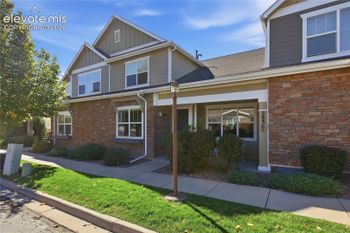
2825 Elm Meadow Vw, Colorado Springs, CO 80907
MLS#: 8678581
.jpg)


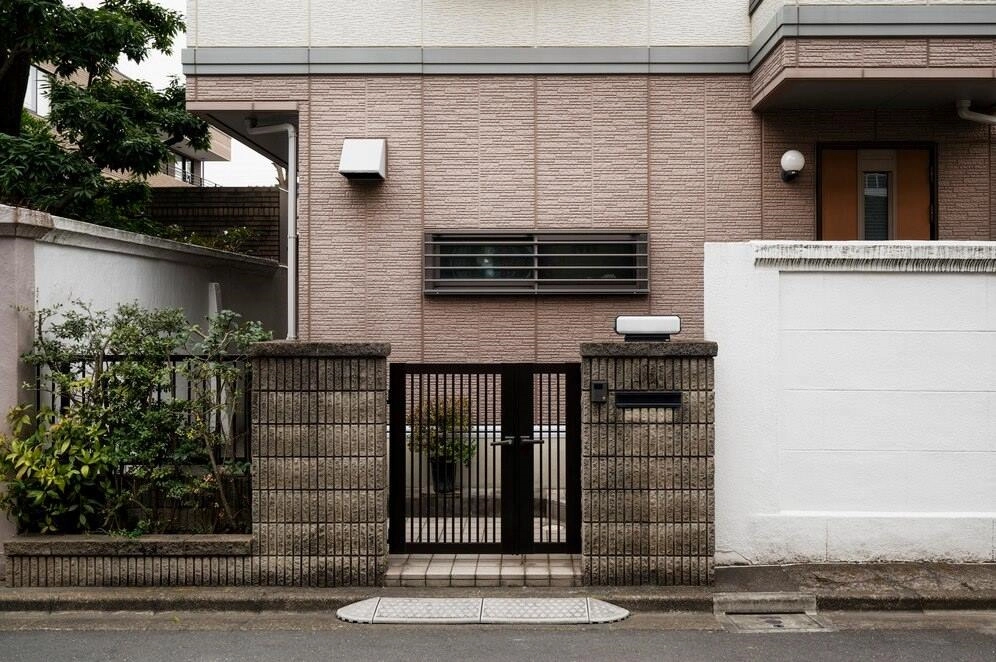
A Colorado fence takes more abuse in one year than a fence in a milder climate takes in five: intense UV at 5,280 feet, Front Range wind gusts that top 60 mph in a spring storm, hail that can strip paint off a picket in minutes, and clay soil that swells and shrinks under every post. Staying ahead of it protects curb appeal, keeps the fence off a buyer's inspection list, and stops a small repair from turning into a full rebuild.
Denver averages close to 300 sunny days a year, and UV exposure at altitude runs stronger than at sea level because there is less atmosphere to filter it. That UV breaks down wood fibers and fades stain faster than it does in Chicago or Seattle. Front Range wind adds a second stress: gusts regularly exceed 50 to 60 mph along the foothills corridor from Golden through Colorado Springs, and a fence with even one loose panel catches wind like a sail and racks the whole line.
Re-stain south- and west-facing fence runs every 2 to 3 years; shaded north-facing runs stretch to 3 to 4 years. Use a UV-inhibiting exterior stain rated for high-altitude sun, and reapply sealant any spring the wood starts to gray or splinter. A resource like this fence care checklist is a useful seasonal reminder for homeowners who want a set schedule instead of guessing.
Bentonite and other expansive clays sit under much of the Denver metro area, Highlands Ranch, Castle Rock, and Colorado Springs. These soils swell when they absorb moisture and shrink hard in a dry stretch, and a fence post set in a shallow, unreinforced hole moves with every cycle. Set footings below the local frost depth, roughly 30 to 36 inches around metro Denver, and use a concrete collar that flares below the frost line so heave pushes against the collar instead of the post.
Hail season on the Front Range runs from spring through September, and a single storm can dent vinyl panels, strip paint, and snap pickets on a wood fence. After any severe storm, walk the fence line and check for split boards, popped nails, and racked panels before the next wind event finishes the job. Metal hardware that reinforces post connections, sometimes called fence armor, adds resistance against both wind racking and the ground-level rot that starts where a post meets the soil; a product like Fence armor is one option homeowners use for that connection point.
Wood-destroying insects are a smaller threat on the dry Front Range than in humid climates, but they still show up, especially on fences that sit against irrigated turf or mulch beds. Watch for the mud tubes and hollow-sounding wood that signal termites, and for the sawdust piles near fence posts that point to carpenter ants. Both problems start at ground contact points, so keeping mulch and irrigation heads a few inches off the fence line cuts the risk.
Denver, Aurora, Lakewood, Littleton, Colorado Springs, and Fort Collins each set their own fence height limits, and most allow up to 6 feet in a rear yard without a permit while capping front-yard fences lower, commonly around 4 feet, for sightline reasons at driveways and corners. Pool fences follow a separate code requiring a compliant enclosure, a barrier at least 48 inches tall with a self-latching gate. Call the building department for your specific city or county before installing anything taller than a standard rear-yard fence.
Most Front Range HOAs and metro districts require architectural review approval before a fence goes up or gets replaced with a different material or color, even for a repair that changes the fence's appearance. Colorado's HB22-1151 protects a homeowner's right to install water-wise landscaping over an HOA's objection, but it does not extend that protection to fence design, so check the covenants first.
Colorado does not set a single statewide rule for cost-sharing on a boundary fence; it comes down to the property deed, HOA covenants, or an agreement between neighbors. Get any cost-sharing arrangement in writing before a rebuild starts, especially on a fence that will show up on a future survey or title report.
A fence in good repair reads as one less item on a buyer's list. On the Front Range, a rebuilt or freshly stained wood fence recoups roughly 50 to 65 cents on the dollar at resale, and a leaning, damaged fence gives a buyer's inspector a line item to flag before the inspection objection deadline. Colorado's Seller's Property Disclosure form asks about known defects, so document any fence repair or replacement before listing, and use the Smart Pricing Report to see how yard and fence condition factor into a listing price. A completed Colorado home seller's guide walks through the rest of the pre-listing checklist.
Material choice changes both the maintenance schedule and how well a fence handles Colorado wind, hail, and freeze-thaw. This comparison covers the four materials most common in Denver metro backyards.
| Material | Typical installed cost per linear foot | Front Range durability notes | HOA approval needed |
|---|---|---|---|
| Wood (cedar/pine) | $25 to $45 | Needs re-staining every 2 to 4 years; posts heave in clay soil without deep footings | Yes, material and stain color |
| Vinyl | $30 to $50 | Resists UV fading better than budget wood stain; panels can crack in a hard hailstorm | Yes, color and style |
| Chain-link | $15 to $25 | Handles wind and hail well; least common in HOA-controlled front yards | Sometimes restricted to rear or side yards |
| Wrought iron or aluminum | $40 to $70 | Best wind resistance, minimal maintenance beyond rust checks on steel | Approved in most communities, higher cost |
Confirm current material pricing with a local Front Range contractor, since it moves with lumber and metal costs, and always confirm HOA-approved options before ordering material.
Walk the full fence line every spring once hail season begins, checking posts for lean, panels for splits, and hardware for rust or loosened screws. Catching a small repair in spring costs far less than replacing a full section after a summer's worth of wind and storms has widened the damage.
The Kenna Real Estate Group helps Front Range sellers decide which outdoor repairs are worth doing before a home goes on the market, including fence, deck, and yard items that show up on an inspection report. Call or text 303-955-4220. A live person answers. Not a robot, not a phone tree. Ready to compare homes with updated fencing and outdoor space? Search every home for sale in Colorado.
Questions about any home in Colorado? Call or text 303-955-4220. A live person answers.
Every 2 to 3 years on south- and west-facing runs that take the most UV, and every 3 to 4 years on shaded north sides. Colorado's roughly 300 days of sun a year breaks down stain and sealant faster than it does in cloudier states.
Denver metro sits on expansive clay soil that swells when it gets wet and shrinks when it dries. A post set in an undersized footing rocks with every freeze-thaw cycle and starts leaning within a season or two.
Most Front Range cities allow a rear-yard fence up to 6 feet without a permit, but corner lots, front yards, and pool enclosures have separate height and setback rules. Call your city's building department before you dig, because the threshold differs block to block.
In most Front Range communities, yes. Architectural review committees set an approved material, height, and stain color list, and Colorado's 2022 water-wise landscaping law (HB22-1151) does not override fence design covenants the way it does turf requirements.
A leaning, gray, or gap-toothed fence reads as deferred maintenance to buyers and shows up in a home inspection report. A weekend of repair for a few hundred dollars protects the sale price far better than a full rebuild after an accepted offer falls through on the inspection objection deadline.
Colorado has no single statewide rule; it comes down to the deed, HOA covenants, or a written agreement between the two property owners. Put any cost-split in writing before a rebuild starts.
Keep mulch, irrigation heads, and dense plantings a few inches off the fence line so ground contact points stay dry, and treat any confirmed infestation with a licensed pest control company rather than a surface spray alone.