New - 1 Hour Ago
.jpg)


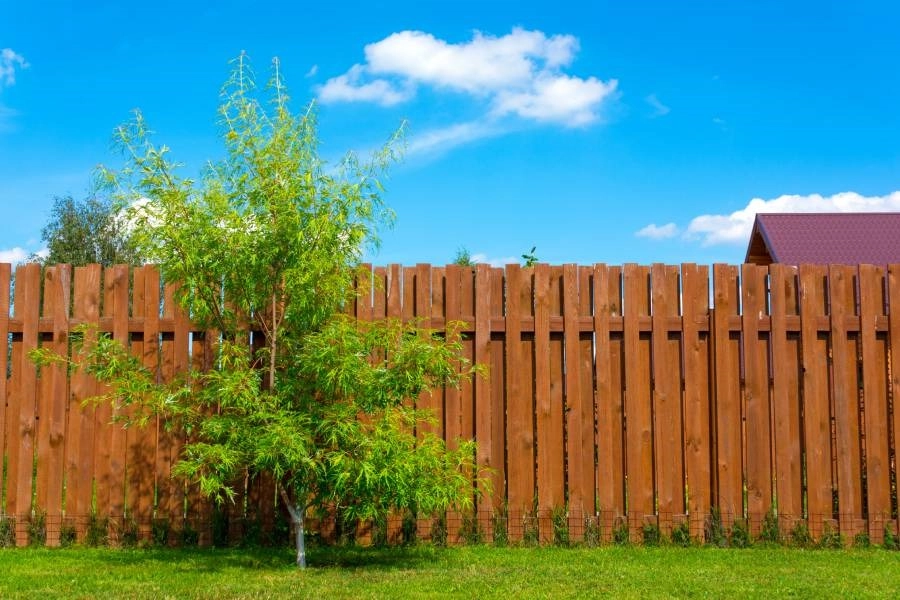
Inspect a Front Range fence twice a year, once after the spring thaw and once before the first hard freeze, and clean and reseal it on that same schedule. A fence that gets this twice-a-year routine reaches 15 to 20 years of service on the Front Range; one that does not can need major repair inside a decade.
Denver sits at 5,280 feet, where UV exposure runs roughly 25% higher than at sea level and fades and dries out wood and vinyl faster than the same fence would age in a lower, more humid climate. Add expansive clay soil that swells and shrinks with every freeze-thaw cycle, plus hail season that runs from spring through September, and a Front Range fence in Littleton, Lakewood or Aurora takes more punishment per year than most national maintenance guides assume.
Walk the fence line after the ground thaws and look for leaning posts, split boards, rusted hardware and gaps at the base where soil settled over winter. Run a string line from corner post to corner post; a post that has heaved or dropped more than an inch needs to be reset before summer storms put more load on it. This is also the point to decide whether a section has reached the end of its service life or whether a repair extends it another few years.
Wood fences respond well to a soft brush with mild soap and water, or a wood-specific cleaner that lifts mildew without stripping the finish. Metal and wrought iron need a detergent formulated to cut rust and grime before any new coating goes on. Vinyl is the lowest-maintenance material on the Front Range; a garden hose and soapy water twice a year removes the road-salt residue that mag chloride leaves behind after a plowed winter.
Replace missing boards, reset loose nails and swap corroded fasteners for galvanized hardware before applying any new finish. Fill cracks in wood with exterior filler and sand splintered edges smooth. On a chain-link or wrought-iron fence, repair or replace any section that has lost structural integrity rather than coating over it; a coating hides rust, it does not stop it.
A high-quality stain or sealant applied every 2 to 3 years is the single biggest factor in how long a Front Range wood fence lasts; skip it and the boards gray, crack and cup within 5 to 7 years at this altitude. Metal fences need a rust-resistant paint or powder coating, especially on any section near a road that gets mag chloride spray in winter. Vinyl does not need a sealant, but a UV-protectant spray helps hold its color through Colorado's roughly 300 sunny days a year.
Repair makes sense when the damage is limited to a board, a post or a section of hardware. Replacement makes more sense once rot, rust or storm damage runs through most of the fence line, or once repair costs start to approach half the cost of a new section. Reviewing the time to replace your fence checklist alongside your own inspection helps separate a fence that still has years left from one that is costing more in repeated fixes than it would to replace — and you are free to compare quotes from any fence contractor in the Denver metro.
| Task | Frequency | Typical cost |
|---|---|---|
| Clean wood or metal fence | Twice a year | $0 (DIY) to $150 (pro) |
| Reseal or restain wood fence (150 ft) | Every 2 to 3 years | $500 to $1,200 |
| Reset a heaved post | As needed | $150 to $450 per post |
| Repaint or recoat metal fence | Every 3 to 5 years | $400 to $1,000 |
Most Front Range fence upkeep needs only a handful of tools: a stiff-bristle brush, a bucket, mild dish soap or a wood-specific cleaner, a bag of exterior wood filler, a driver for swapping fasteners, and a brush or sprayer for stain or sealant. Keep a small stock of matching stain and galvanized screws on hand so a single storm-damaged board does not turn into a weekend project waiting on a shipment.
Many Front Range HOAs and metro districts require the same finish, color and material on a repaired section as the rest of the fence, and some require notice before you restain or repaint. Review the Denver HOA rules and fees guide and check the covenants before buying a stain or paint color, since a mismatched repair can draw a violation notice even when the fence itself is sound.
A fence with fresh stain, straight posts and tight hardware reads to a buyer as a yard that has been cared for, and it removes an easy item from a home inspection report. On the Front Range, where the buyer's inspection objection deadline lands 10 to 14 days after acceptance in most cases, a fence that needs no work is one less negotiation point. See preparing and adding value before selling for the rest of a pre-listing checklist, or browse 8 curb appeal fixes for Front Range sellers.
Getting a Front Range yard and fence ready for a listing photo shoot? Call or text 303-955-4220. A live person answers. Not a robot, not a phone tree. Ready to see what is on the market? Search every home for sale in Colorado.
Questions about any home in Colorado? Call or text 303-955-4220. A live person answers.
Twice a year: once after the spring thaw to check for winter damage and once in fall before the first hard freeze.
Every 2 to 3 years. UV exposure at 5,280 feet dries and fades wood faster than at lower elevations, so stretching this interval shortens the fence's life.
A maintained wood fence reaches 15 to 20 years. Vinyl and powder-coated steel commonly run 20 to 30 years with only occasional cleaning.
Rinse it with a garden hose and mild soapy water twice a year, focusing on any panel near a road where mag chloride residue collects over winter.
Repair a fence when the damage is limited to a board, post or piece of hardware. Replace it once repair costs approach half the price of new fencing or damage runs through most of the fence line.
Many Front Range HOAs and metro districts require matching color and material on repairs. Check the covenants before buying materials.
Yes. A fence with fresh stain, straight posts and tight hardware removes an easy negotiation point from a buyer's inspection.
Routine cleaning costs little to nothing done yourself; budget $500 to $1,200 every 2 to 3 years for a full restain on a 150-foot wood fence.