New - 11 Hours Ago

.jpg)


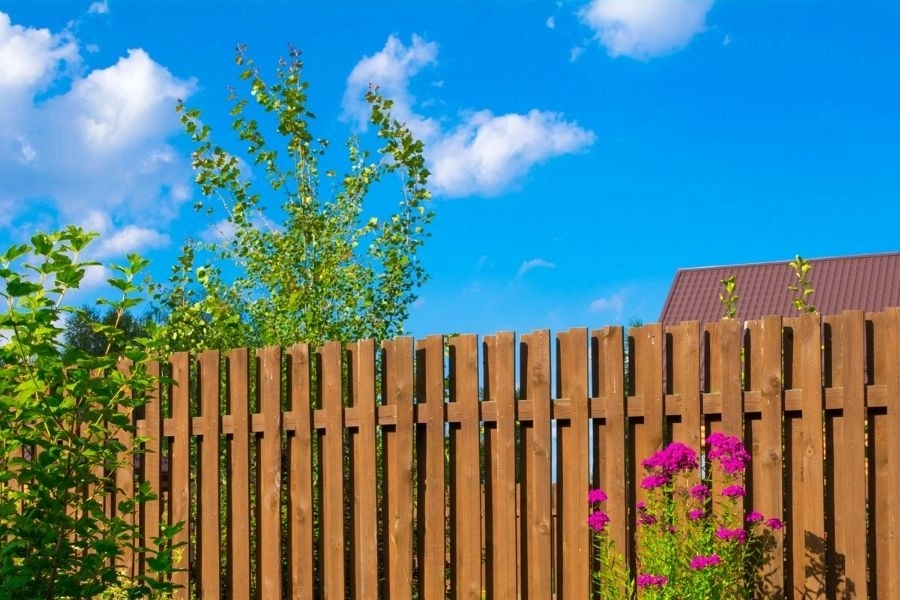
The best fence for a Colorado Front Range home is one built for wind and clay soil first, style second: sustained gusts along the foothills stress every panel and post, and expansive clay soil heaves and shifts posts that are not set deep enough. Vinyl, cedar, steel and chain-link all have a place, but each one needs Front Range-specific installation details to actually last.
Solid-panel fences, whether wood or vinyl, catch the most wind load and need the deepest, most solid post footings to stay standing through a spring wind event. Board-on-board or shadowbox styles that allow some airflow through the fence line put less strain on posts than a fully solid panel. Steel and aluminum ornamental fencing, with its open pickets, handles Front Range wind the most easily of any style since there is little solid surface for the wind to push against.
Denver requires a permit for most new fences, and the city sets maximum height limits that differ for front yards versus side and rear yards. Aurora, Lakewood and Littleton each run their own fence permit process with their own height and setback rules, so check the specific city's current requirements before ordering materials rather than assuming one city's rule applies in another.
In most Front Range HOA communities, yes, and more strictly than the city code does in most cases. HOA architectural guidelines commonly specify an approved fence material and color, sometimes down to the exact stain, and require a written application before installation begins. Building a fence that meets city code but not HOA covenants can still result in a violation notice and a forced replacement.
Clay soil across the Denver metro swells when it absorbs spring snowmelt and heavy rain, then shrinks as it dries out later in the season, and that cycle pushes and tilts fence posts that are set too shallow or backfilled with straight native clay. Posts set below the frost line, in a footing that includes gravel for drainage rather than pure clay backfill, resist this heave far better than a quick-set post in native soil.
A retaining wall over a set height, commonly around 4 feet in most Front Range cities, needs its own building permit and, in most cases, a stamped engineering plan, separate from any fence permit, since it holds back soil rather than just marking a boundary. A fence line on a sloped lot that also needs grading or a low retaining wall should be planned as one combined project with the local building department rather than two unrelated ones.
A common Front Range standard is setting posts at least a third of their above-ground height into the ground, with a minimum of 24 to 36 inches for a standard 6-foot privacy fence, deeper than what is common practice in regions without expansive clay. A gravel base under the footing for drainage, rather than concrete poured directly against wet clay, further reduces frost heave over the fence's life.
| Material | Hail performance | Wind performance |
|---|---|---|
| Cedar or wood | Dents and dings, cosmetic | Moderate, depends on panel style |
| Vinyl | Can crack or shatter in large hail | Good if properly anchored |
| Steel or aluminum ornamental | Excellent, rarely damaged | Excellent, open design |
| Chain-link | Excellent | Excellent |
Large hail is the material's biggest test on the Front Range: vinyl panels can crack or shatter under a severe stone, while wood just dents. Steel, aluminum and chain-link shrug off hail almost entirely, which is part of why they remain popular on higher, more exposed Front Range lots.
| Fence type | Installed cost per linear foot |
|---|---|
| Chain-link | $12 to $25 |
| Wood privacy, 6 foot | $25 to $45 |
| Vinyl privacy | $30 to $55 |
| Steel or aluminum ornamental | $35 to $70 |
A typical suburban backyard runs 150 to 250 linear feet of fence, so total project cost lands between $4,000 and $15,000 depending on material and terrain. Sloped or rocky lots, common in foothills-adjacent neighborhoods, add to labor cost for post-hole digging.
Ground heave from freeze-thaw cycling is the most common reason a Front Range gate starts dragging or won't latch by late winter, since the gate post moves independently of the fence line posts if it was not set to the same depth. Setting the gate post at least as deep as the tallest fence posts, and adding a diagonal brace across the gate frame, keeps it square through a full freeze-thaw season.
Six feet is the most common height for a rear-yard privacy fence across Denver, Aurora, Lakewood and Littleton, and most city codes cap front-yard fences lower, around 4 feet, to preserve sightlines at driveways and intersections. Corner lots have additional sightline restrictions near the street intersection that limit fence height and placement in that corner regardless of the rest of the yard's height.
It should, even when it is not strictly required by permit. Building a new fence without confirming the recorded property line is one of the most common sources of neighbor disputes on the Front Range, since older surveys, approximate fence lines from a prior owner, and informal agreements between neighbors do not always match the recorded plat. A current survey or improvement location certificate before construction avoids rebuilding a fence a few feet over.
Wood fencing needs restaining or sealing every two to three years to hold up against intense UV and freeze-thaw cycling; without it, boards gray, crack and loosen faster than in milder climates. Vinyl and steel need far less routine maintenance, mainly an annual check of post footings and gate hardware after the winter freeze-thaw season, plus a quick inspection after any severe hailstorm.
A fence built over a property line, even by a few inches, is a common issue that surfaces during a title search or survey and can complicate closing. Colorado's standard seller disclosure form asks about known boundary or encroachment issues, and a buyer's lender can require a survey or improvement location certificate that shows exactly where the fence sits relative to the recorded property line.
A fence in good condition, correctly placed and matching the neighborhood's typical style, is one of the improvements buyers notice immediately when touring a backyard, and a failing or leaning fence is one of the fastest ways to make a yard look neglected. The guide to adding value before selling covers where fence repair or replacement ranks against other exterior projects for Front Range sellers.
The Kenna Real Estate Group helps Front Range sellers know whether a fence repair is worth doing before listing and helps buyers spot boundary and HOA issues tied to a fence before closing. Call or text 303-955-4220. A live person answers. Not a robot, not a phone tree. Ready to look at homes instead? search every home for sale in Colorado.
Questions about any home in Colorado? Call or text 303-955-4220. A live person answers.
Yes, for most new fences, and Denver sets different maximum height limits for front yards versus side and rear yards. Aurora, Lakewood and Littleton each have their own separate permit process.
Steel, aluminum and chain-link handle both wind and hail with the least damage. Solid wood or vinyl panels need deeper, more solid post footings and vinyl can crack under large hail.
At least 24 to 36 inches for a standard 6-foot privacy fence, deeper than typical for regions without expansive clay, with a gravel base for drainage rather than a footing poured against wet native clay.
In most Front Range HOA communities, yes, and more strictly than city code in most cases, down to the specific approved material, height and stain color.
Chain-link runs $12 to $25 per linear foot installed, wood privacy $25 to $45, vinyl $30 to $55, and steel or aluminum ornamental $35 to $70, with a typical backyard totaling $4,000 to $15,000.
Yes. It commonly surfaces during a title search or survey and can complicate closing. A buyer's lender can require an improvement location certificate showing the fence relative to the recorded line.


