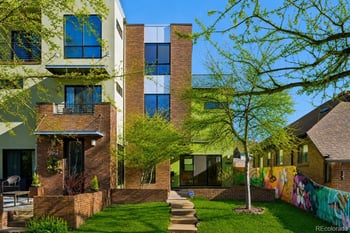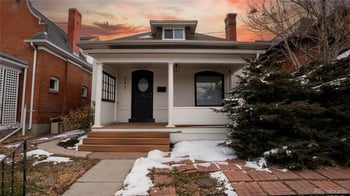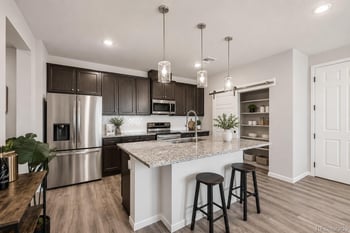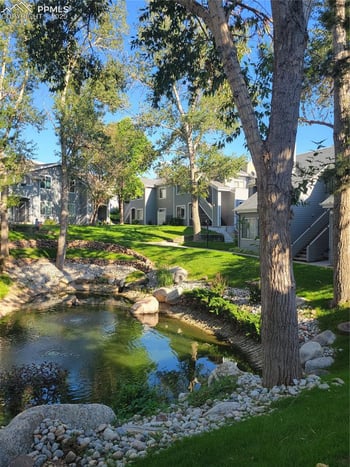
$349,900
Pending
2
Beds
2
Baths
1150
Sqft
--
Acres
8500 Jefferson Ave #G, Bldg 7, Denver, CO 80237
MLS#: 4968797
.jpg)


An airless sprayer is the right choice for most Front Range exterior painting jobs, siding, fences, and fascia, while an HVLP unit fits detail work on trim and doors. Colorado's dry air and altitude change how both perform enough to plan around before starting a project.
Airless sprayers push paint through a small tip at high pressure and cover large flat surfaces like siding fast, which suits most Front Range exteriors. HVLP, high volume low pressure, sprayers give finer control for trim, railings, and doors but move paint more slowly across a full elevation. Electrostatic sprayers work best on metal surfaces like fences and railings, where the charged paint wraps around the material for even coverage.
Thinner air at Denver's 5,280-foot elevation changes output for compressor-driven HVLP turbines and can affect airless pump pressure slightly compared to sea level. Check the manufacturer's manual for an altitude adjustment setting before a first Front Range project, and run a test pattern on cardboard before starting on the house.
Low humidity speeds surface drying, which sounds like an advantage but creates a real risk: paint can start skinning over before it levels out, leaving visible lap marks where one pass overlaps the last. Working in smaller sections, keeping a wet edge, and spraying earlier in the day before afternoon heat peaks all help on the Front Range.
Denver's elevation delivers stronger UV exposure than sea level, and it shows up in paint that fades and chalks faster than the same product would in a milder climate. A quality exterior paint job holds its finish for 7 to 10 years on the Front Range versus 10 to 15 in a lower-UV climate; south- and west-facing walls fade first and sometimes need touch-up sooner.
A homeowner-grade HVLP unit runs $150 to $400. A homeowner-grade airless sprayer runs $200 to $600, with contractor-grade units running $600 to $1,500 and up. Electrostatic sprayers, mostly a contractor tool, run $1,000 to $3,000, well beyond what a single-project homeowner needs to own.
Yes, more than most homeowners expect. Overspray drifts fast in wind above 10 miles per hour, which wastes paint and risks coating a neighbor's car or fence. The foothills corridor near Golden and Boulder sees stronger afternoon gusts than the flatter eastern suburbs; check the forecast and plan around calmer morning hours.
A 100% acrylic latex exterior paint flexes with the substrate as it expands and contracts through Colorado's 40-degree daily swings, which cuts cracking and peeling compared to older oil-based formulas. Satin and low-sheen finishes hide substrate movement better than high-gloss on siding.
Most Front Range HOAs and metro districts require an approved color palette or an architectural review submission before an exterior repaint, even a color that closely matches the existing shade. The Denver HOA rules and fees guide covers what a typical submission needs.
No. A standard repaint, spray or brush, does not require a building permit anywhere on the Front Range. HOA color approval is the only sign-off most homeowners need before starting.
Most exterior paints apply between 50 and 90 degrees Fahrenheit, and Colorado's daily swing means a morning that starts near freezing can climb into that range by midday even in shoulder-season months. Check the surface temperature, not just the air temperature, since a sunny wall can run well above the ambient reading.
Faded, chalking, or peeling paint is one of the first things a buyer notices pulling up to a Denver metro showing, and it reads as deferred maintenance even when the underlying siding is sound. The adding value before selling guide covers which exterior refresh projects return the most before a listing goes live.
A full repaint makes sense when the existing color is dated or the finish shows heavy UV fading; a thorough exterior clean and targeted touch-up works for a home with an otherwise sound paint job. The Smart Pricing Report weighs which path fits a specific home before it lists.
A 0.015 to 0.019-inch tip suits large siding surfaces for even coverage at speed. Trim, railings, and doors call for a smaller 0.011 to 0.013-inch tip for tighter control and a cleaner edge.
A 2,000-square-foot two-story home needs 8 to 14 gallons of exterior paint for two coats, depending on siding texture and trim detail. Stucco and rough-textured siding absorb more paint than smooth lap siding, which pushes the total toward the higher end of that range.
Renting a contractor-grade airless sprayer for a weekend runs $50 to $100 and makes financial sense for a single full-exterior job. Buying pays off for a homeowner planning fence, deck, or multiple outbuilding projects over several seasons.
For equipment specs, this fine finish sprayer lineup compares HVLP and airless options in detail, and Titan Tool products covers a common contractor-grade brand's tip and pump options; homeowners are free to buy or rent equipment from any supplier.
The Kenna Real Estate Group tells Front Range sellers whether an exterior repaint pays back before a listing goes live, and points buyers to paint condition as a read on a home's overall upkeep during a showing. Call or text 303-955-4220. A live person answers. Not a robot, not a phone tree. Search every home for sale in Colorado to see current listings across the Front Range.
Questions about any home in Colorado? Call or text 303-955-4220. A live person answers.
Airless, for coverage speed on large flat surfaces; HVLP suits trim, railings, and doors where finer control matters more than speed.
A full exterior repaint on a 2,000-square-foot home runs $4,000 to $9,000 professionally, depending on siding texture, prep work, and paint grade.
Check the manufacturer's manual for an altitude adjustment on HVLP turbines and airless pumps, and test on cardboard before starting the actual surface.
7 to 10 years on average, shorter than the 10 to 15 years typical at lower elevations, because of stronger UV exposure at altitude.
Most associations still require a submission even for a matching color, since the review confirms the finish meets current palette rules.
Morning, before afternoon heat and wind pick up; surface temperature between 50 and 90 degrees gives the paint time to level before it skins over.